
Introduction
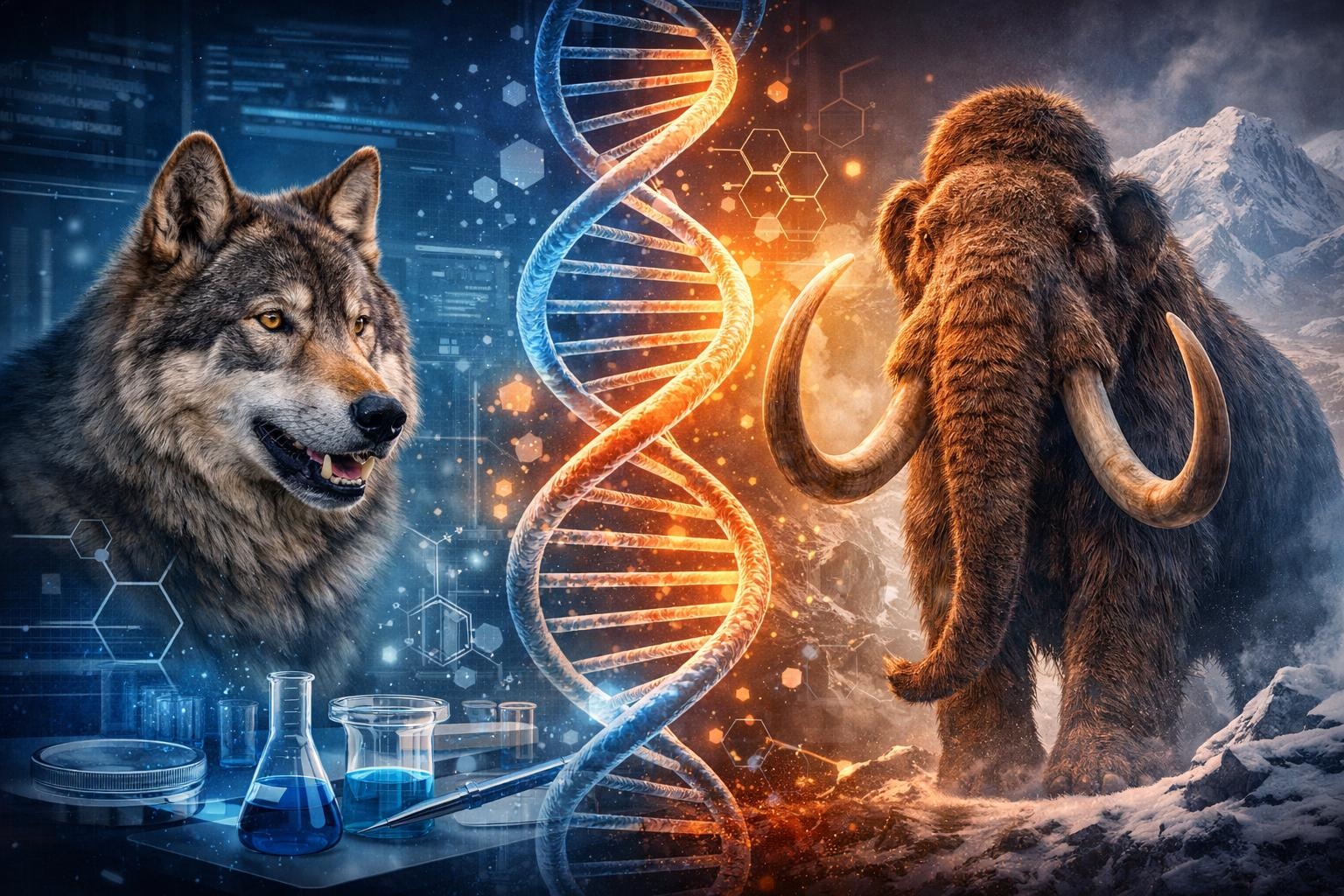
Artificial Intelligence may be dominating headlines today, but another scientific revolution is quietly unfolding behind laboratory doors—one that could reshape industries worth trillions of dollars. It's called synthetic biology, a field where scientists don't just study life—they engineer it.
Imagine bacteria producing sustainable fuel, yeast brewing medicines instead of beer, or plants designed to absorb more carbon dioxide from the atmosphere. These aren't futuristic fantasies; they're technologies already being developed today.
Often described as "programming life," synthetic biology is merging biology, engineering, computer science, and artificial intelligence to solve some of humanity's biggest challenges. From healthcare and agriculture to manufacturing and climate change, this emerging industry has the potential to become one of the most valuable sectors of the 21st century.
Life Is Becoming Programmable
For centuries, humans have programmed machines. Today, scientists are beginning to program living cells.
Synthetic biology involves redesigning organisms by editing their genetic instructions, allowing them to perform specific tasks. Instead of building products in factories using traditional manufacturing methods, researchers can instruct microorganisms such as bacteria and yeast to manufacture valuable materials naturally.
Think of DNA as nature's programming language. By rewriting small sections of this biological code, scientists can teach living organisms to create medicines, fuels, biodegradable plastics, and even food ingredients. This shift is changing biology from an observational science into an engineering discipline.
Nature's Smallest Factories
One of synthetic biology's most exciting applications is turning microorganisms into miniature factories.
Unlike conventional factories that rely on heavy machinery and fossil fuels, engineered microbes can manufacture products using renewable resources. Inside carefully controlled bioreactors, these tiny organisms work continuously to produce chemicals, enzymes, textiles, and pharmaceuticals.
Scientists are already developing microorganisms capable of producing:
- Sustainable aviation fuels
- Eco-friendly plastics
- High-performance fabrics
- Industrial enzymes
- Fragrances and cosmetics
- Medicines and vaccines
These biological factories consume fewer resources and often generate significantly less pollution than traditional manufacturing.
The Future of Medicine Starts Inside a Cell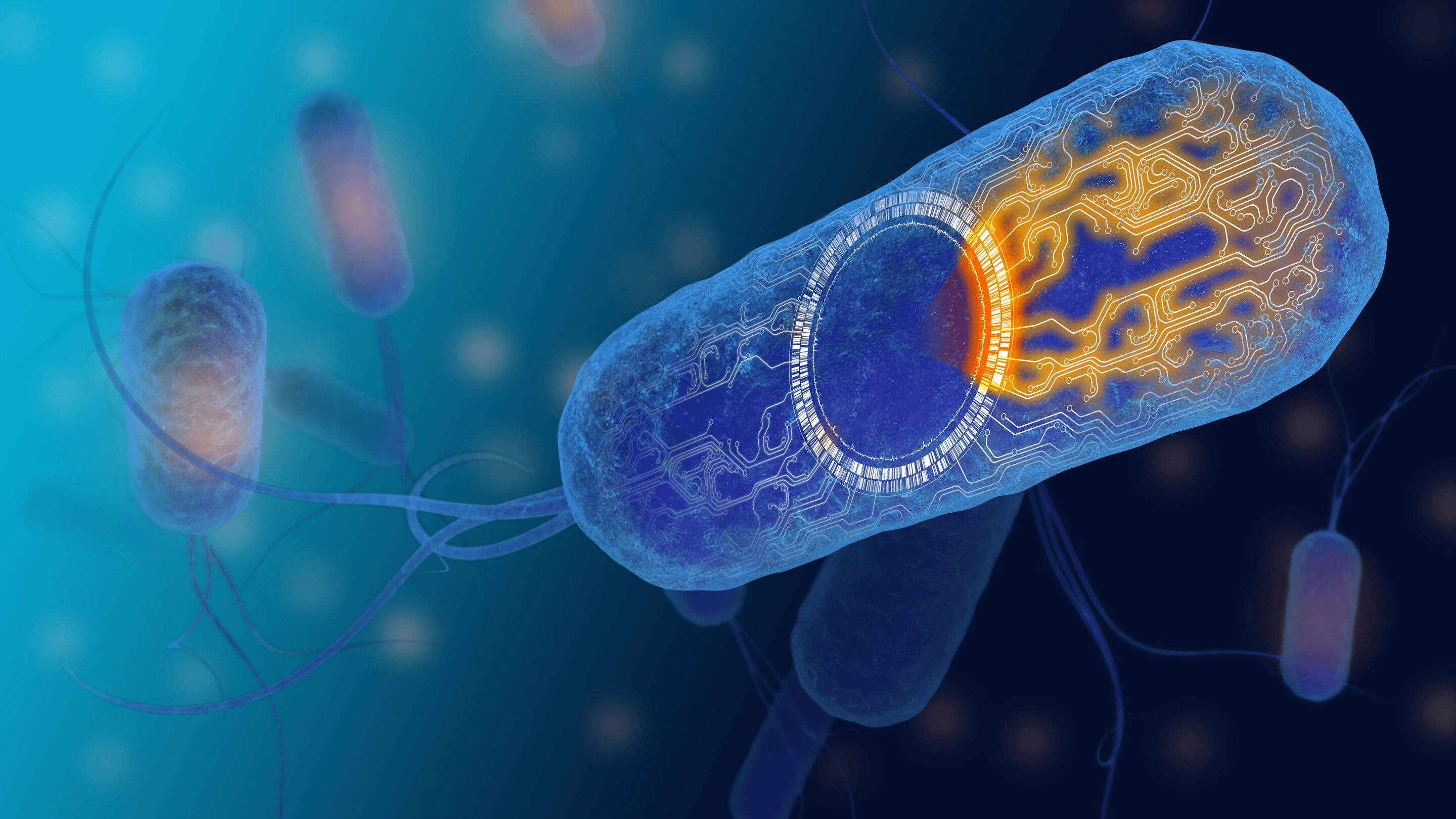
Healthcare is experiencing one of the biggest transformations driven by synthetic biology.
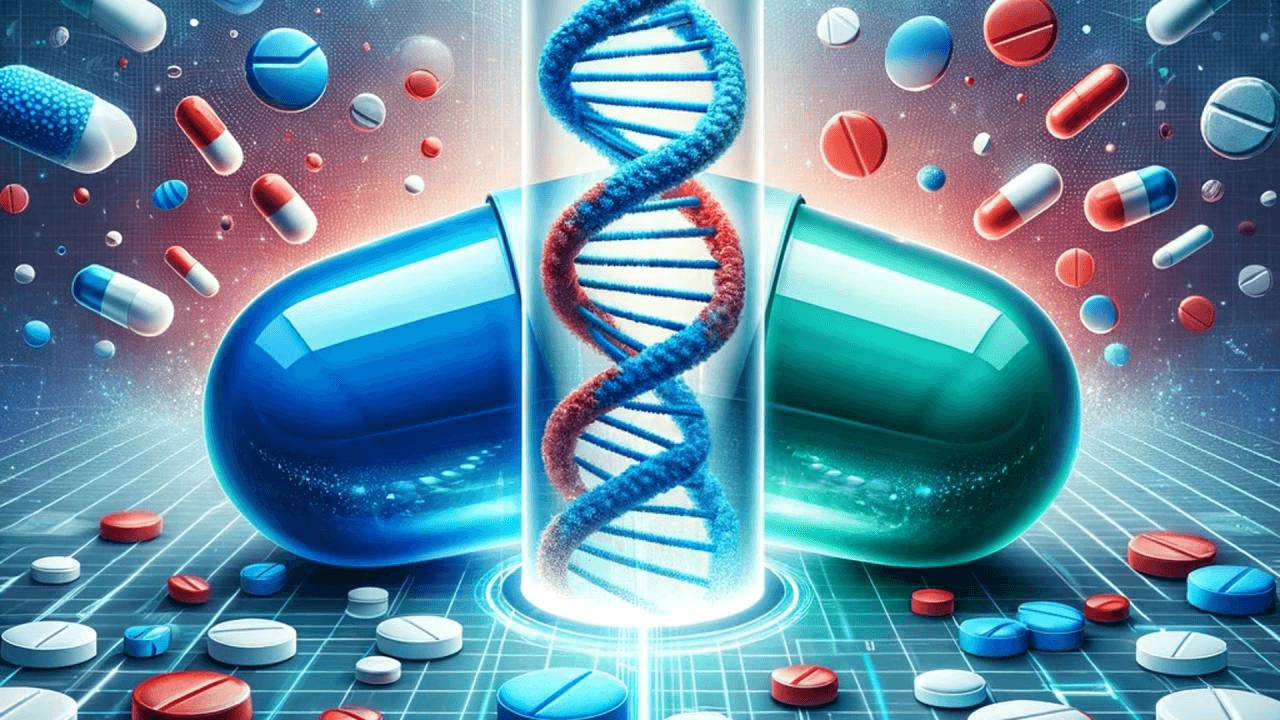
Instead of treating diseases only after symptoms appear, researchers are developing therapies that work at the genetic level. Engineered cells can be designed to recognize diseases, repair damaged tissues, or attack cancer cells with remarkable precision.
Synthetic biology is accelerating innovations such as:
- Personalized medicines tailored to an individual's DNA.
- Advanced gene therapies for inherited disorders.
- Engineered immune cells that target cancer.
- Faster vaccine development during disease outbreaks.
- Artificial tissues for regenerative medicine.
These breakthroughs could fundamentally change how diseases are diagnosed, treated, and prevented.
Farming Is Entering a New Era
Agriculture faces enormous challenges, including climate change, water shortages, and a growing global population.
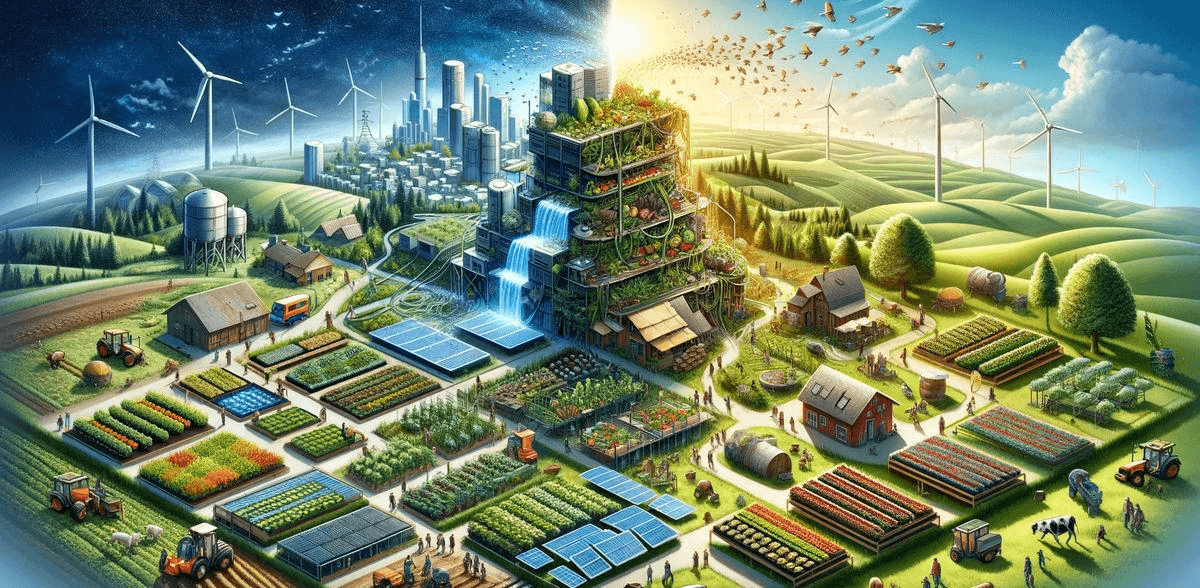
Synthetic biology offers innovative solutions by creating crops that require fewer resources while producing higher yields.
Researchers are developing plants that can:
- Resist drought and extreme weather.
- Require fewer chemical fertilizers.
- Fight pests naturally.
- Grow in poor-quality soils.
- Provide enhanced nutritional value.
Scientists are also engineering beneficial microbes that improve soil health, reducing the environmental impact of agriculture.
The farms of the future may rely as much on biotechnology as they do on tractors.
Food Without Farms?
One of the most fascinating applications of synthetic biology is changing how food is produced.
Companies are using engineered microorganisms to produce proteins traditionally obtained from animals. Through a process known as precision fermentation, microbes can create dairy proteins, egg proteins, and other ingredients without requiring livestock.
At the same time, cultivated meat—grown directly from animal cells—is becoming increasingly advanced.
These technologies aim to reduce greenhouse gas emissions, conserve water, minimize land use, and improve global food security without compromising taste or nutrition.
Can Biology Help Save the Planet?
Perhaps the greatest promise of synthetic biology lies in environmental sustainability.
Scientists are engineering organisms capable of addressing some of Earth's most pressing environmental problems.
Future biological solutions may include:
- Microbes that break down plastic waste.
- Plants engineered to absorb more carbon dioxide.
- Bacteria that clean polluted oceans.
- Bio-based alternatives to petroleum products.
- Renewable fuels produced from agricultural waste.
Instead of relying solely on mechanical solutions, future environmental protection may increasingly involve carefully designed biological systems.
Artificial Intelligence Meets Biology
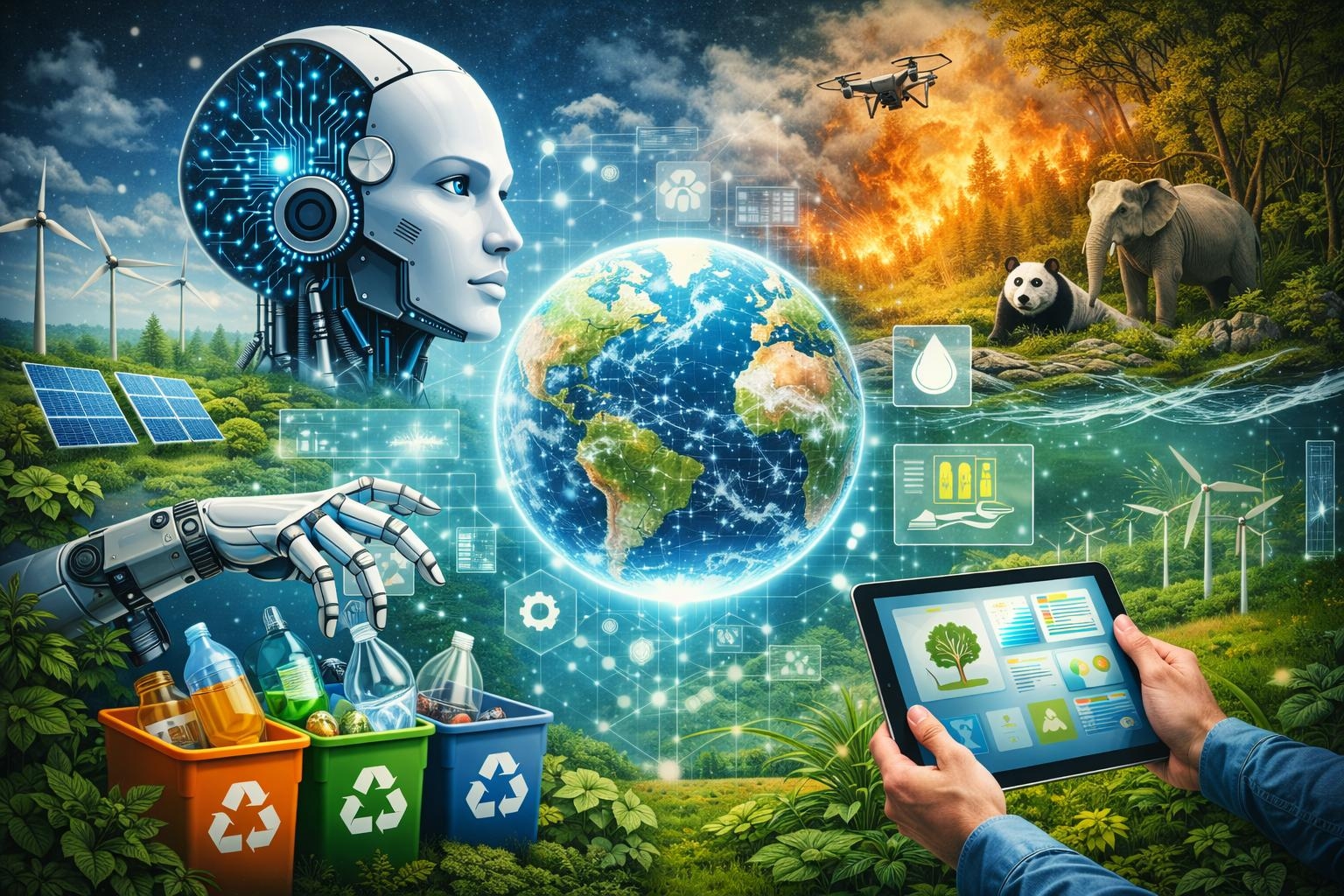
Synthetic biology is evolving alongside artificial intelligence.
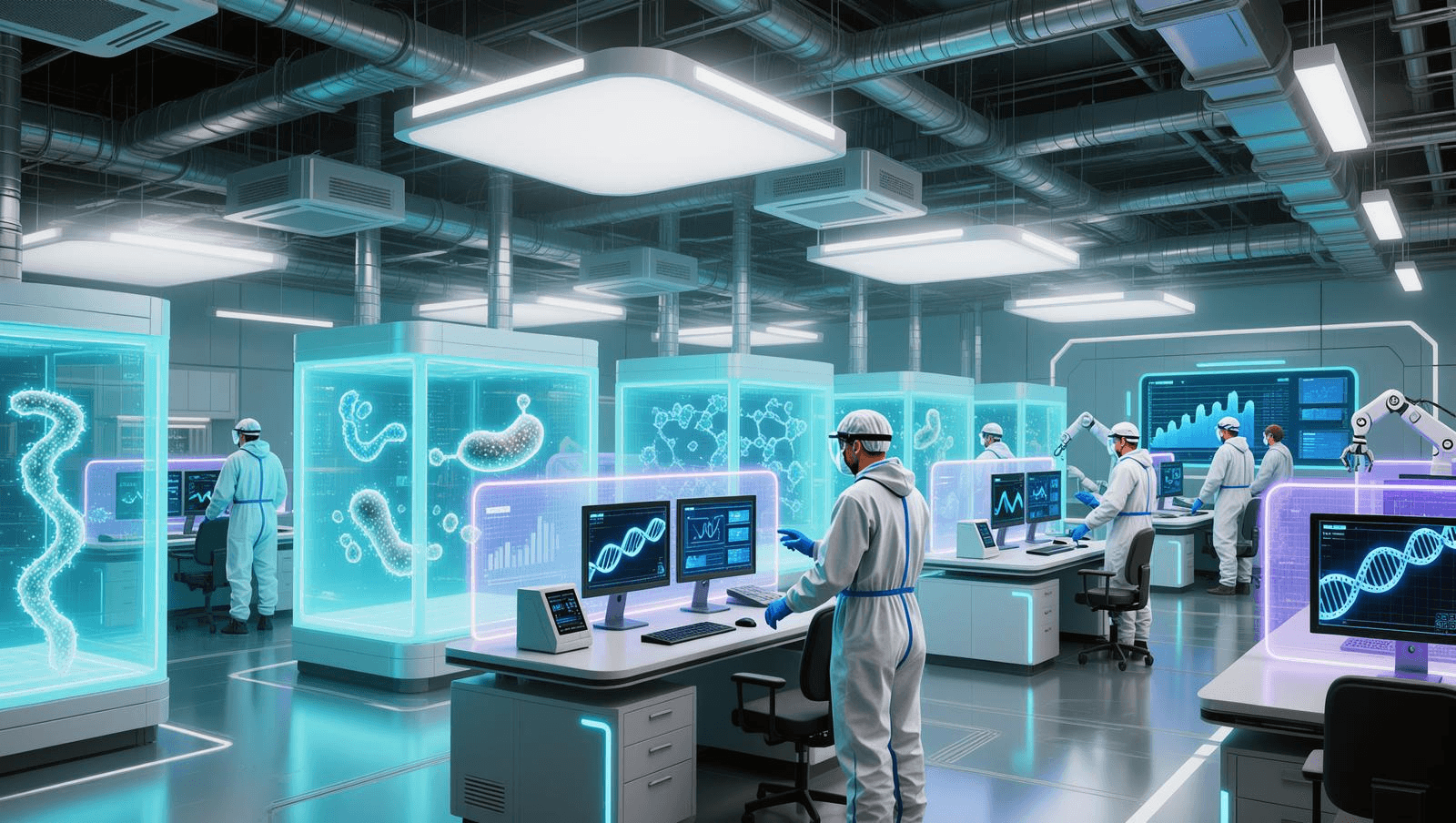
Modern AI systems can analyze enormous amounts of genetic information, helping scientists predict how DNA changes will affect living organisms. This dramatically speeds up biological research that previously required years of experimentation.
Together, AI and synthetic biology are creating a powerful partnership where computers help design biological systems faster, more accurately, and at lower cost.
Many experts believe this combination will accelerate discoveries at an unprecedented pace.
Why Investors Are Betting Billions
Over the past few years, governments, biotechnology companies, and venture capital firms have invested billions of dollars into synthetic biology.
The reason is simple.
Unlike many emerging technologies that focus on a single industry, synthetic biology has applications across almost every sector of the global economy, including healthcare, agriculture, energy, manufacturing, cosmetics, environmental protection, and food production.
As biological engineering becomes more affordable and scalable, experts predict the industry could generate hundreds of billions—or even trillions—of dollars in economic value over the coming decades.
Innovation Must Be Matched with Responsibility
The ability to engineer living organisms brings enormous opportunities, but it also raises important ethical questions.
Scientists and policymakers must carefully address concerns such as:
- Biological safety.
- Environmental impact.
- Responsible genetic engineering.
- Data privacy.
- International regulations.
- Fair access to biotechnology.
Public trust will play a crucial role in determining how quickly synthetic biology is adopted worldwide.
Like every transformative technology, its success will depend not only on innovation but also on responsible governance.
The Next Industrial Revolution Is Biological
Previous industrial revolutions were powered by steam, electricity, computers, and the internet.
The next one may be powered by biology.
Synthetic biology represents a shift from manufacturing with machines to manufacturing with living systems. Whether it's producing sustainable materials, creating life-saving medicines, feeding a growing population, or combating climate change, this emerging field has the potential to reshape industries on a global scale.
The companies leading this revolution may not build bigger factories—they may design smarter cells.
Conclusion
Synthetic biology is no longer confined to research laboratories. It is rapidly becoming one of the world's most promising industries, offering solutions to challenges that traditional technologies have struggled to solve.
While artificial intelligence is changing how we think, synthetic biology is changing what we can create. By programming living organisms to produce food, medicine, sustainable materials, and clean energy, scientists are redefining the relationship between technology and life itself.
The next billion-dollar industry isn't just about faster computers or smarter software. It's about unlocking the incredible potential hidden inside every living cell. As science continues to blur the line between biology and engineering, one thing is becoming increasingly clear:
The future won't just be digital—it will be biological.