
Introduction
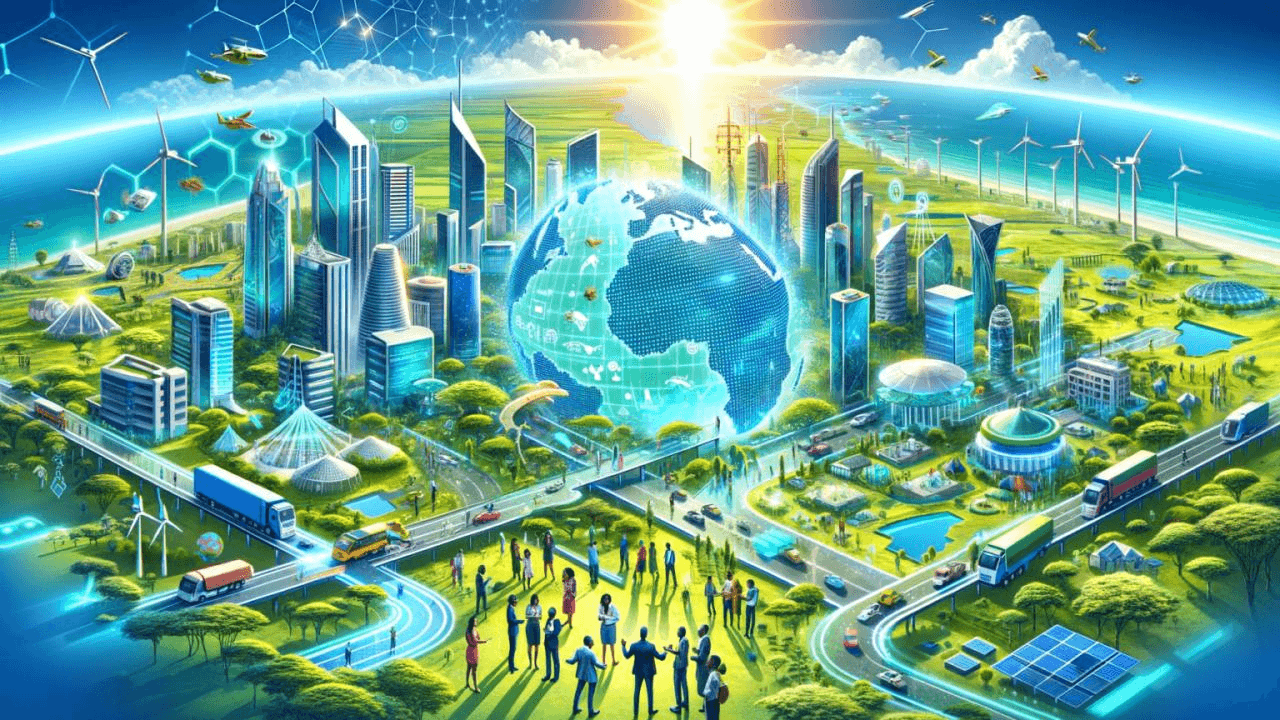
Artificial intelligence is transforming the way we work, learn, and communicate. From AI assistants to autonomous systems, the world is witnessing an unprecedented technological revolution. However, behind every AI-generated response lies a massive network of data centers consuming enormous amounts of electricity and water. As nations race to become leaders in AI innovation, an important question is emerging: can we continue building smarter technologies without compromising our climate goals?
The AI Gold Rush Has Begun
Governments and technology companies worldwide are investing heavily in artificial intelligence. New AI models require powerful computing infrastructure, advanced chips, and large-scale data centers operating around the clock.
The competition is no longer limited to developing smarter algorithms. Countries are now competing to build the infrastructure that powers AI. This technological race is expected to reshape economies, industries, and global innovation over the next decade.

The Hidden Cost of Intelligence
Most people interact with AI through their smartphones or laptops without realizing the resources required to generate responses or train AI models.
Behind the scenes, AI systems require:
- Massive computing power.
- Energy-intensive data centers.
- Advanced cooling systems.
- Significant amounts of water for temperature regulation.
- Continuous hardware upgrades.
As AI adoption grows globally, so does its environmental footprint. The convenience of intelligent technology comes with real-world energy demands that cannot be ignored.
Data Centers Are Becoming the New Power Plants
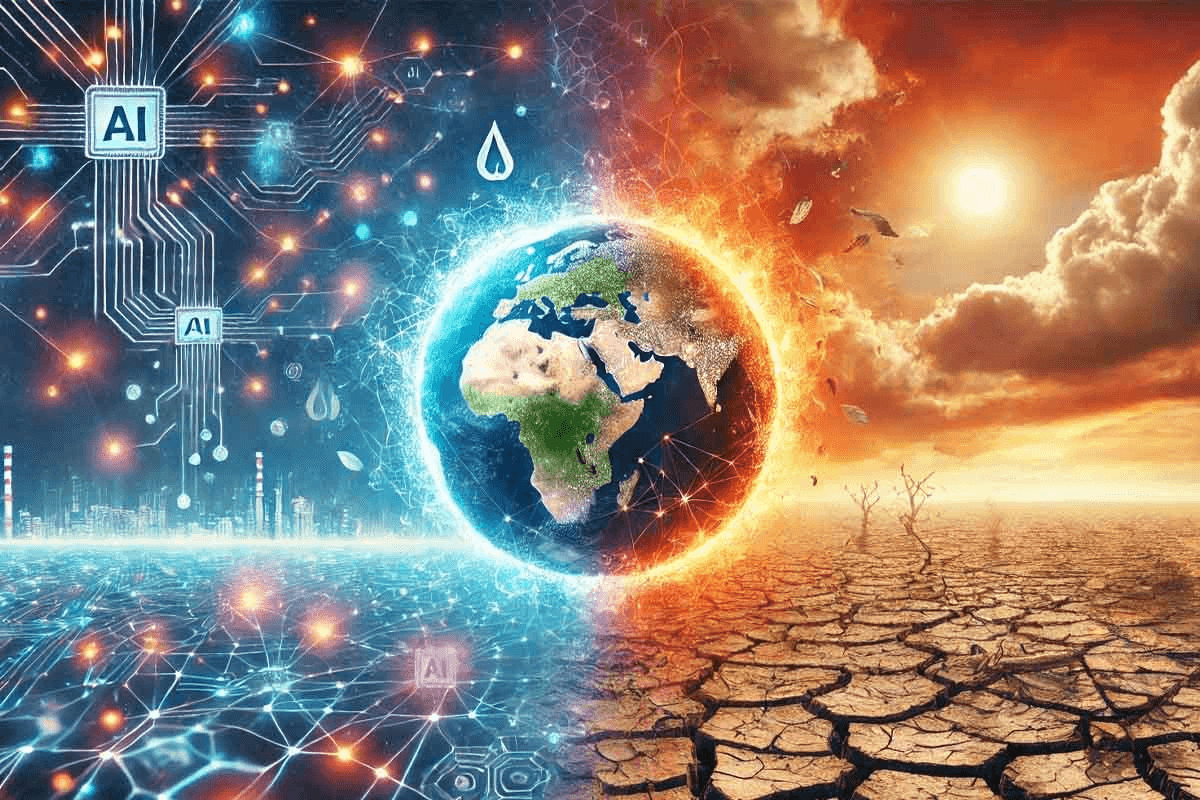
Data centers are rapidly becoming one of the most critical components of the digital economy. They power cloud computing, artificial intelligence, and countless online services.
The increasing demand for AI capabilities has created challenges such as:
- Rising electricity consumption.
- Increased pressure on power grids.
- Growing demand for renewable energy.
- Infrastructure constraints in several regions.
Many planned data center projects have also faced delays or cancellations because of concerns related to energy requirements and sustainability.
Climate Change Isn't Waiting
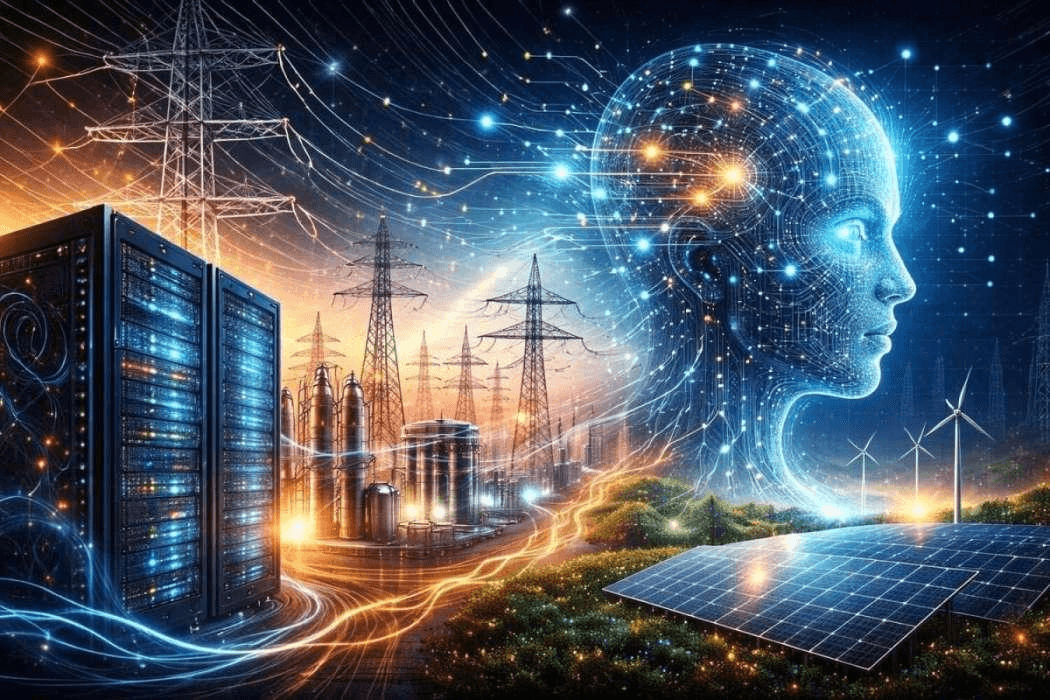
At the same time that artificial intelligence is expanding, climate experts are warning that extreme weather events are becoming more frequent and severe. Europe has recently experienced record-breaking heatwaves and wildfires, highlighting the urgency of climate action.
The climate crisis continues to affect economies, public health, agriculture, and infrastructure across the globe. Technological advancement and environmental responsibility can no longer be treated as separate conversations.
Can Artificial Intelligence Become Climate's Biggest Ally?
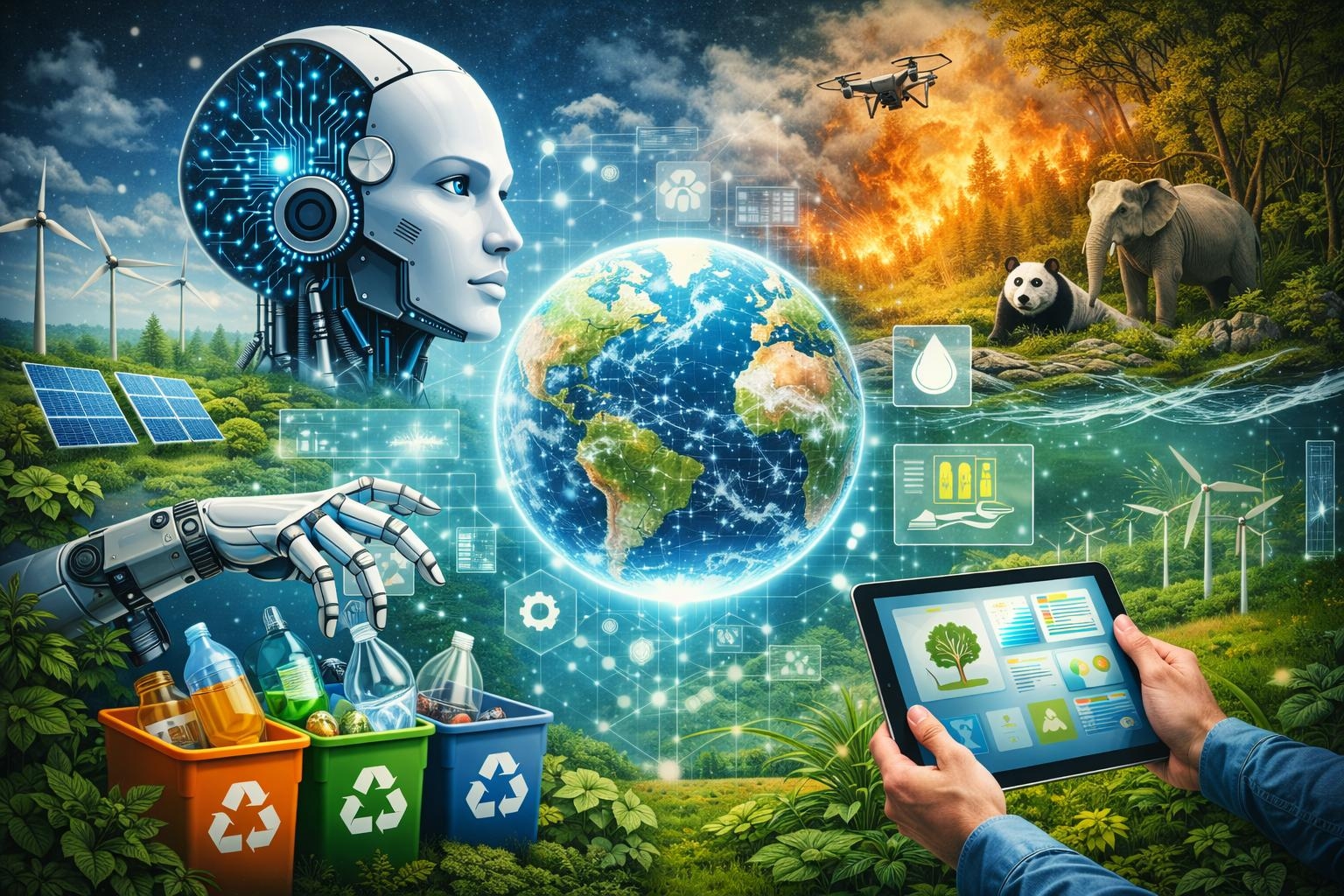
The relationship between AI and climate change is not entirely negative. Artificial intelligence is already helping researchers and governments tackle environmental challenges.
AI is being used to:
- Predict weather patterns.
- Improve energy efficiency.
- Monitor deforestation.
- Optimize renewable energy systems.
- Detect natural disasters more effectively.
- Support climate research and forecasting.
If developed responsibly, artificial intelligence could become one of humanity's most powerful tools in addressing climate change.
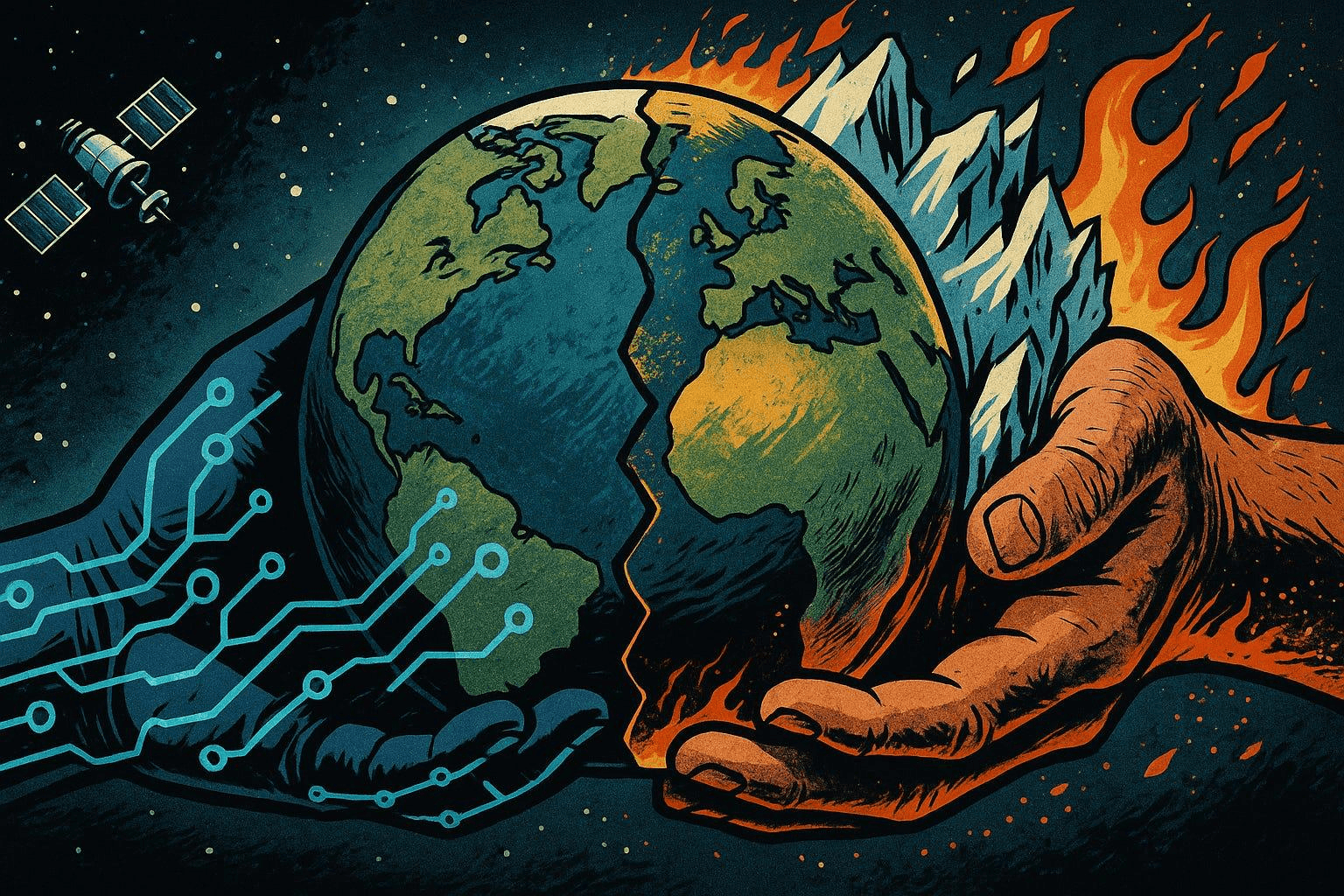
The Future Depends on Sustainable Innovation
The future of AI will not simply depend on how intelligent machines become. It will depend on how sustainably we build them.
The technology industry is increasingly being challenged to balance:
- Innovation and sustainability.
- Performance and energy efficiency.
- Economic growth and environmental responsibility.
- Digital transformation and climate commitments.
Building greener data centers, investing in renewable energy, and developing more efficient AI systems will play a crucial role in shaping the future of technology.
What Can We Learn from This?
The AI revolution presents both extraordinary opportunities and significant responsibilities. Technological progress should not come at the expense of the planet. As consumers, businesses, and policymakers embrace artificial intelligence, sustainability must remain a central part of the conversation.
The choices we make today will determine whether AI becomes a contributor to climate challenges or a solution that helps create a more sustainable world.
Conclusion
Artificial intelligence is undoubtedly one of the most transformative technologies of our time. Yet, every technological breakthrough carries consequences that extend beyond our screens. The rapid expansion of AI infrastructure is forcing the world to confront an important reality: innovation and sustainability must evolve together.
The future does not require us to choose between technology and the environment. Instead, it challenges us to build technologies that are not only intelligent but also responsible.
The true measure of progress will not be how smart our machines become—it will be whether they help create a smarter and more sustainable planet for everyone.