
Introduction
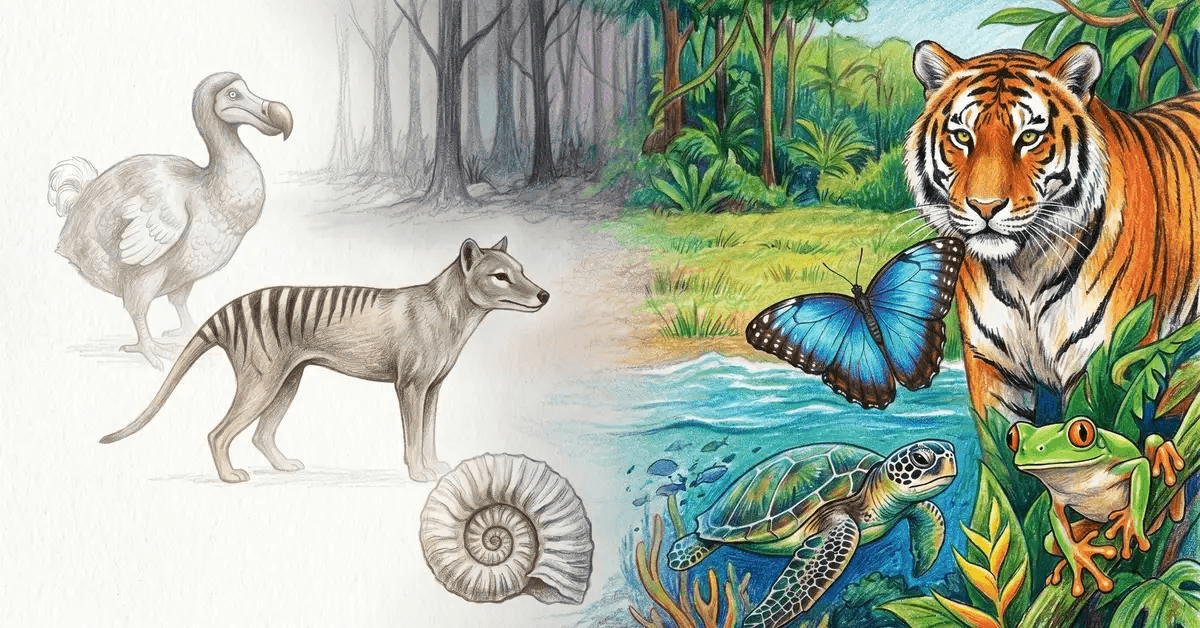
Imagine a world where mammoths once again roam snowy landscapes, the dodo walks through forests, or the Tasmanian tiger returns after decades of extinction. What once belonged to science fiction is slowly becoming a scientific possibility. Thanks to advances in genetics, cloning, and biotechnology, researchers are exploring whether extinct animals can be brought back to life.
But is de-extinction really possible, or is it simply an ambitious dream? The answer lies somewhere between groundbreaking science and complex ethical questions.
What Is De-Extinction?
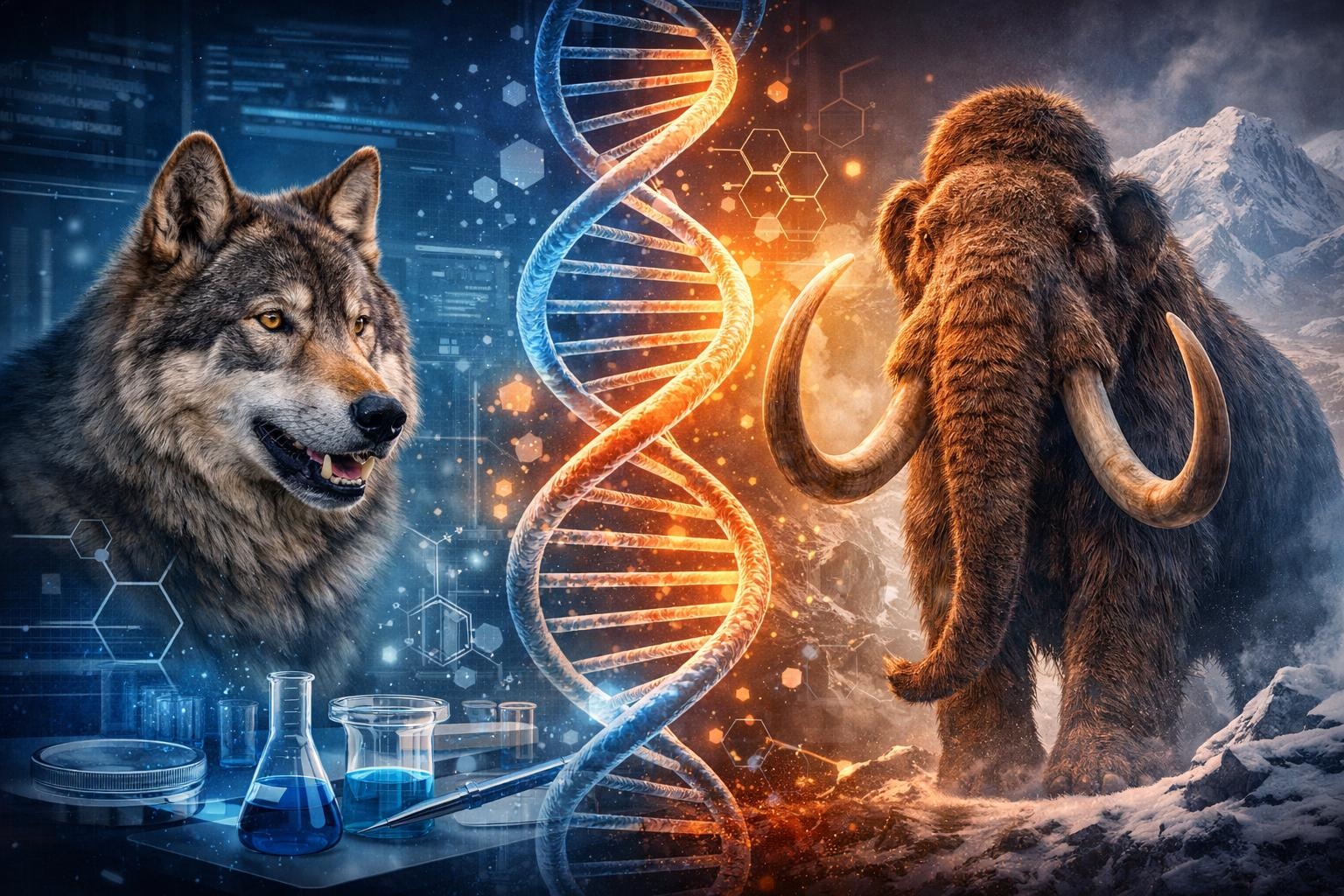
De-extinction is the scientific process of attempting to revive extinct species using modern genetic technologies. Rather than creating an exact copy, scientists aim to recreate an animal that closely resembles the extinct species by combining ancient DNA with the genes of living relatives.
This emerging field brings together genetics, reproductive biology, artificial intelligence, and conservation science. Although no extinct animal has been fully restored yet, several projects are making significant progress.
The Mammoth: The World's Most Famous Comeback Candidate
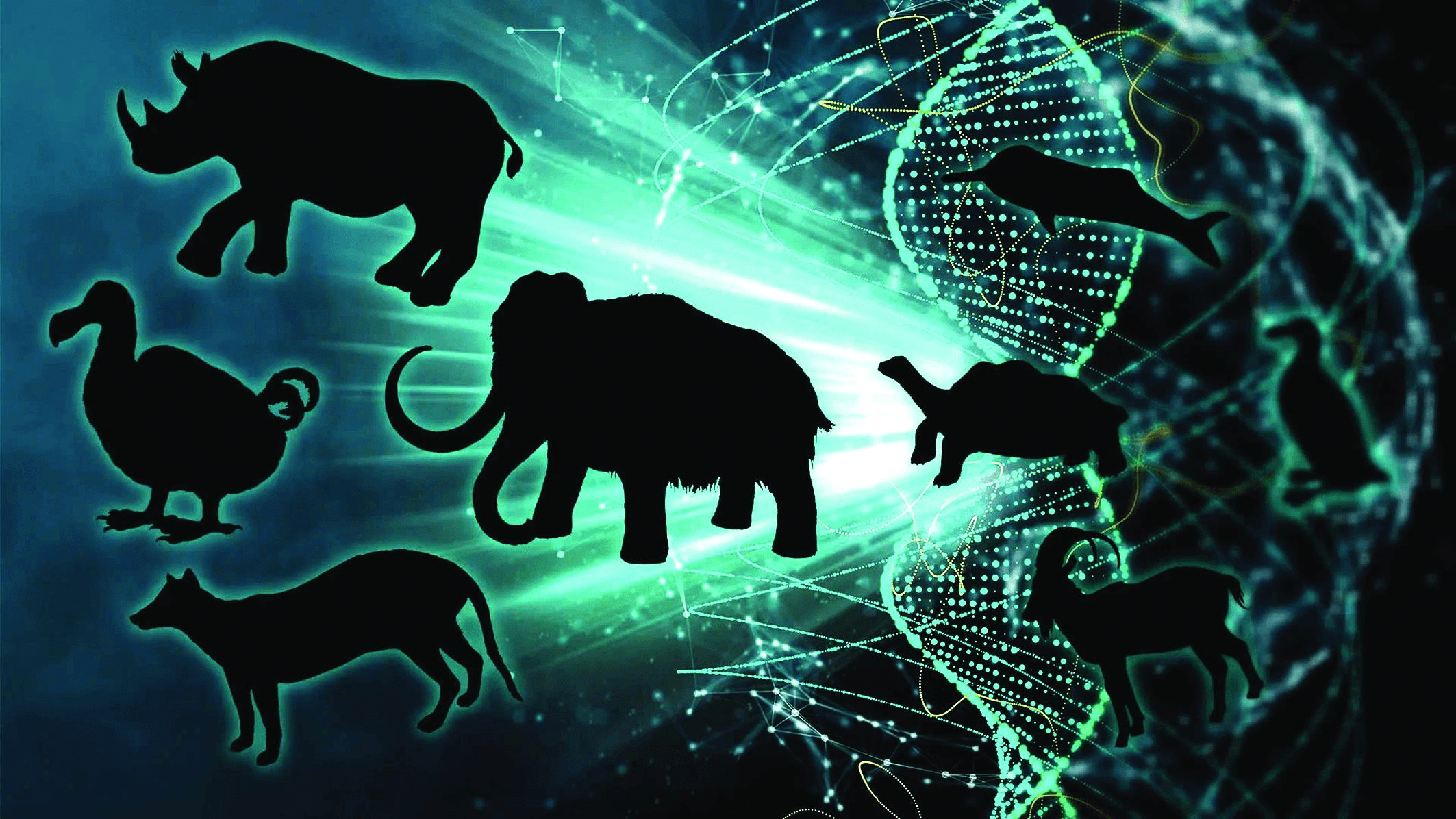
The woolly mammoth is perhaps the most well-known species scientists hope to revive. Frozen mammoth remains discovered in Siberia have preserved fragments of DNA, allowing researchers to study their genetic makeup in remarkable detail.
Instead of cloning a mammoth directly, scientists are editing the DNA of Asian elephants—the mammoth's closest living relatives—to introduce traits such as thick fur, cold resistance, and fat storage. The long-term goal is to create mammoth-like elephants capable of surviving in Arctic environments.
Ancient DNA Is Like a Giant Puzzle
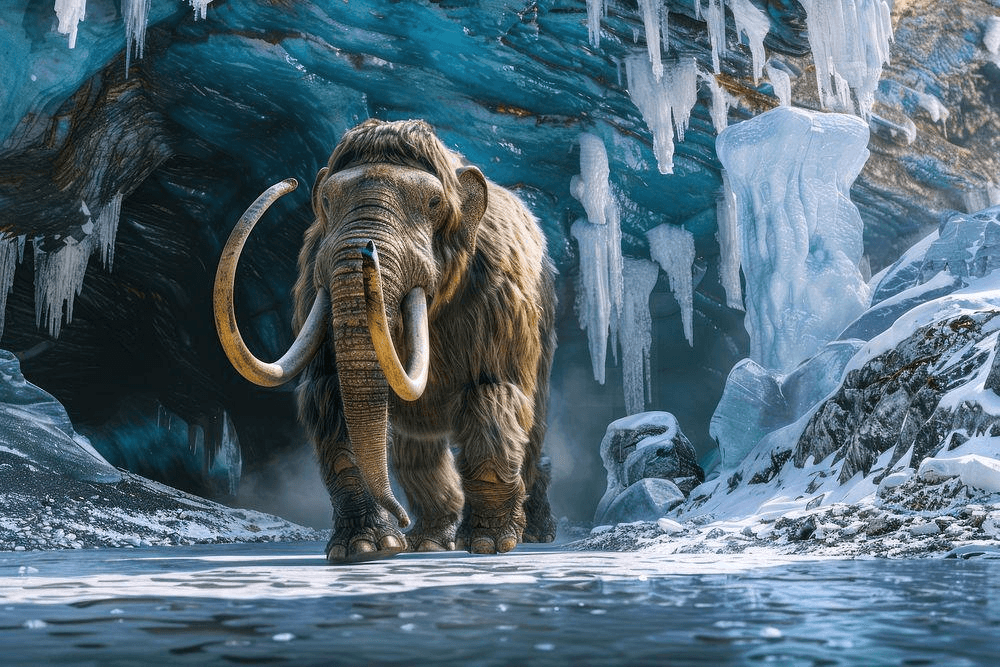
Recovering DNA from extinct animals is far more challenging than it appears. Over thousands of years, DNA naturally breaks down into tiny fragments. Scientists must carefully collect these fragments and compare them with the DNA of living relatives to reconstruct the missing pieces.
The older the species, the more difficult the process becomes. Dinosaurs, for example, disappeared around 66 million years ago, and their DNA has degraded beyond recovery, making a real-life Jurassic Park impossible with current science.
CRISPR: The Gene-Editing Revolution
One of the most powerful tools driving de-extinction research is CRISPR, a revolutionary gene-editing technology. CRISPR allows scientists to precisely modify DNA by adding, removing, or altering specific genes.
Rather than rebuilding an extinct animal from scratch, researchers can edit the DNA of a living species to introduce characteristics of its extinct ancestor. This approach has significantly accelerated de-extinction research and opened new possibilities for conservation.
Cloning Isn't the Same as Bringing Back a Species
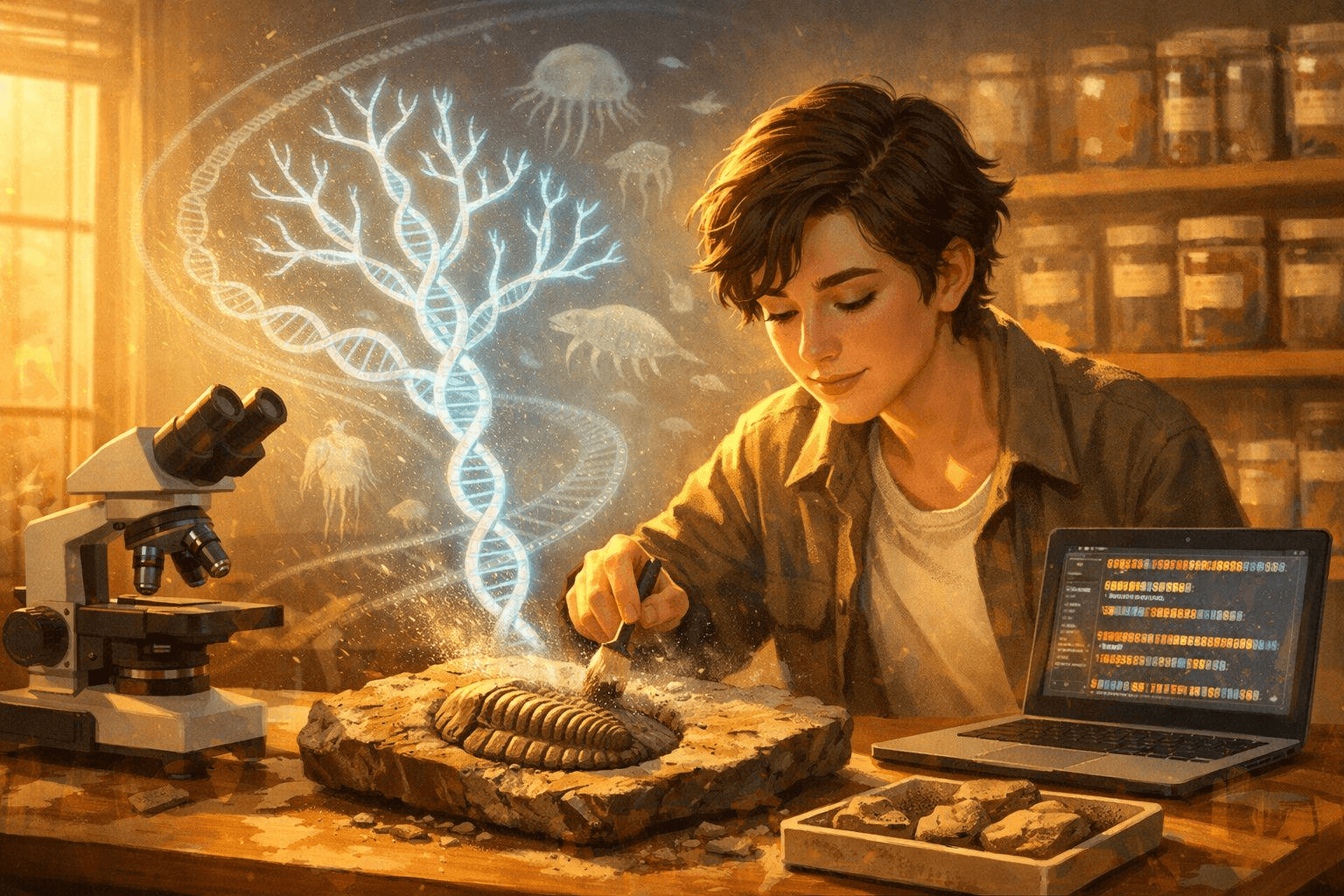
Many people assume de-extinction simply involves cloning, but the reality is more complicated. Cloning requires intact, living cells, which are rarely available for species that disappeared centuries or millennia ago.
Instead, scientists often rely on genetic engineering and selective breeding to recreate important traits. The resulting animals may resemble extinct species but are unlikely to be perfect genetic replicas.
Why Bring Back Extinct Animals?
The idea of de-extinction isn't driven solely by curiosity. Some researchers believe revived species could help restore damaged ecosystems.
For example, mammoth-like elephants might help preserve Arctic grasslands by trampling snow, allowing colder temperatures to remain in the soil and potentially slowing the release of greenhouse gases trapped in permafrost.
Others argue that reviving recently extinct species could restore ecological balance and strengthen biodiversity.
The Ethical Questions No One Can Ignore
Despite its scientific promise, de-extinction raises difficult ethical questions.
Would revived animals have suitable habitats in today's world? Could introducing extinct species disrupt existing ecosystems? Should limited conservation funding focus on bringing back extinct animals or protecting endangered species that are still alive?
Scientists, conservationists, and policymakers continue to debate these issues, recognizing that technological capability does not automatically justify action.
Could We Ever Bring Back Dinosaurs?
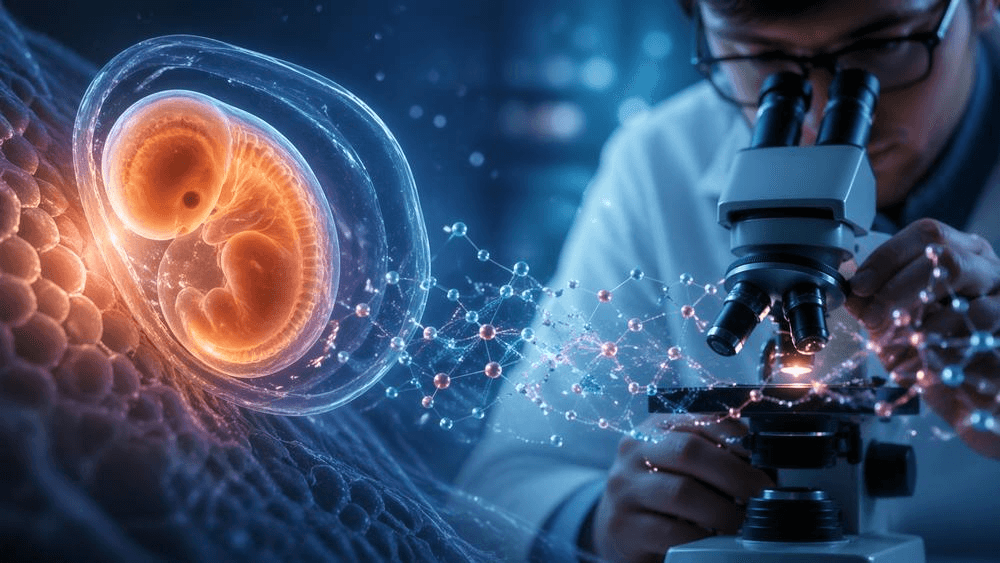
The simple answer is no—not with today's technology.
Unlike mammoths, dinosaurs became extinct tens of millions of years ago. DNA cannot survive for such immense periods, leaving scientists without the genetic information required for cloning or gene editing.
Although movies have popularized the idea of resurrecting dinosaurs, current scientific evidence suggests it remains impossible.
The Future of De-Extinction
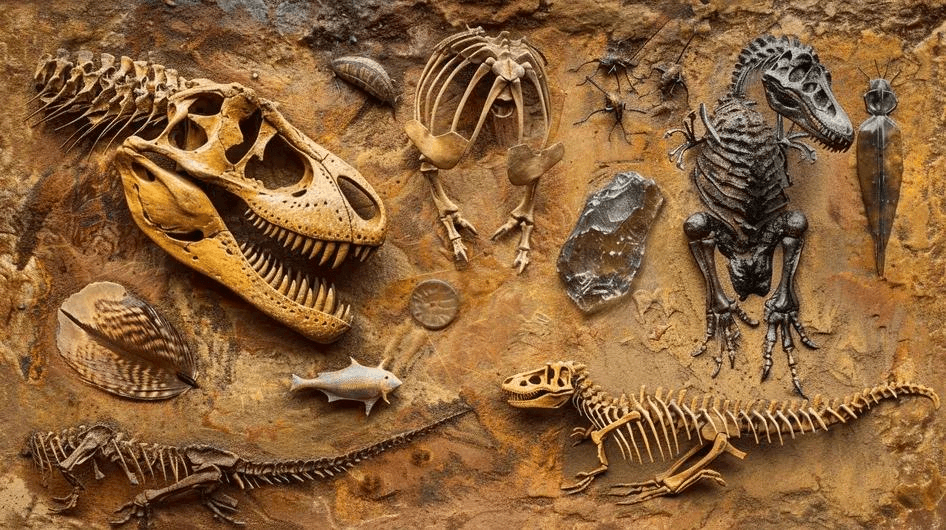
The coming decades are likely to bring remarkable advances in synthetic biology, gene editing, and reproductive technology. Researchers are already exploring the revival of species such as the Tasmanian tiger, passenger pigeon, and dodo.
Even if complete de-extinction remains difficult, the technologies being developed are already benefiting endangered species by improving genetic diversity, disease resistance, and conservation strategies.
In many ways, the greatest impact of de-extinction research may be helping prevent future extinctions rather than reversing past ones.
Conclusion
The possibility of bringing extinct animals back to life is one of the most exciting scientific frontiers of the 21st century. While remarkable progress has been made, true de-extinction remains an enormous challenge requiring advances in genetics, ecology, ethics, and conservation.
Whether or not mammoths or dodos ever return, one lesson is clear: protecting the species we still have is far easier than trying to recreate those we've already lost.