
Introduction
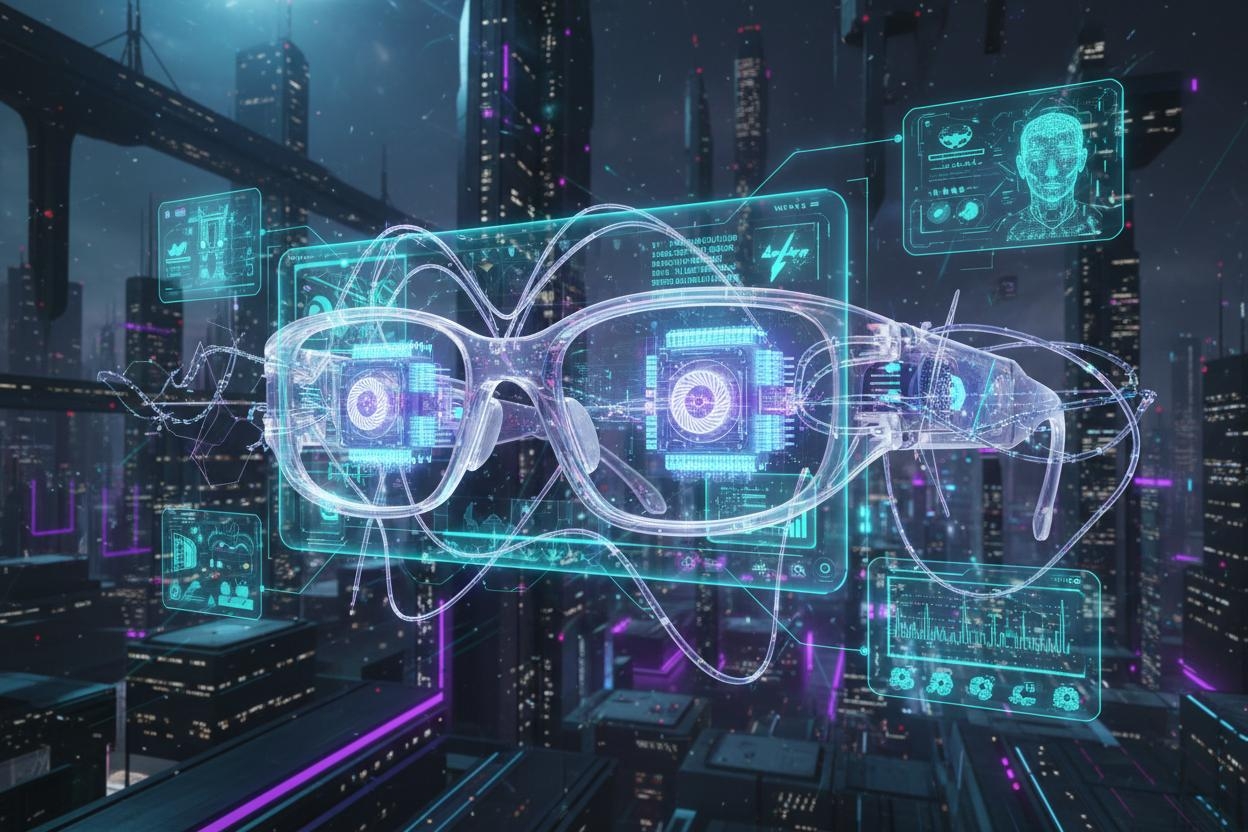
For nearly two decades, smartphones have been the center of our digital lives. They help us communicate, work, shop, navigate, and entertain ourselves. But every dominant technology eventually reaches a turning point. Just as smartphones replaced feature phones, a new generation of intelligent devices is beginning to challenge the smartphone's position.
By 2035, technology could become so seamless that we no longer need to carry a screen in our pockets. Instead, information may appear in front of our eyes, respond to our voice, or even anticipate our needs before we ask. The future isn't about building a better smartphone—it's about creating a world where technology becomes almost invisible.
The Smartphone Revolution Is Maturing
When smartphones first appeared, they transformed the way people interacted with technology. Every year brought dramatic improvements in cameras, processors, displays, and battery life.
Today, however, innovation has slowed. Modern smartphones are more powerful than ever, but the differences between one generation and the next are becoming smaller. Instead of asking, "What's the next smartphone?" technology companies are asking a much bigger question:
"What comes after the smartphone?"
Smart Glasses Could Become the New Screen
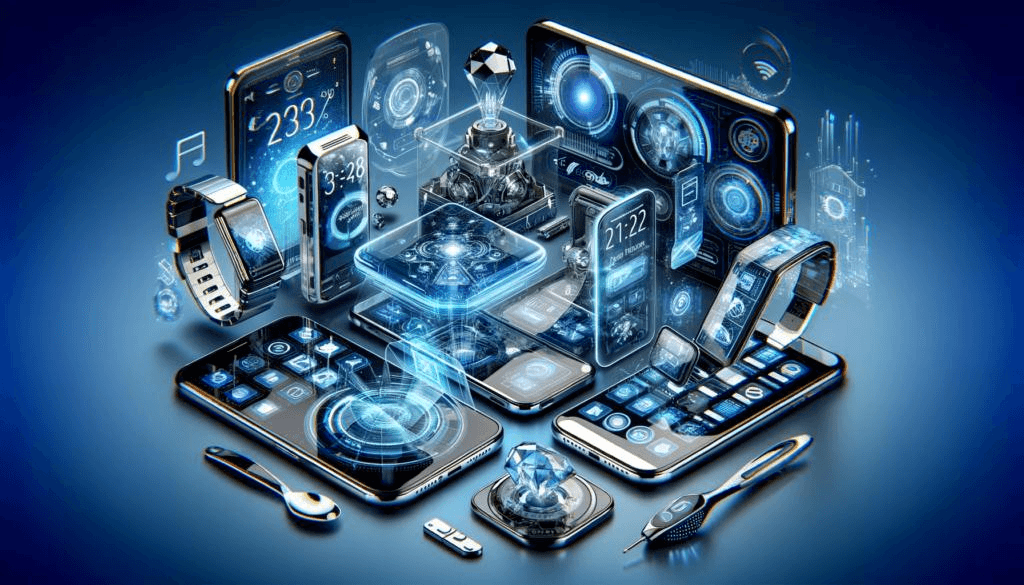
Imagine walking through a city while directions appear naturally in front of your eyes. Receive a message without taking a phone out of your pocket. Translate foreign languages in real time while looking directly at street signs.
This is the promise of smart glasses.
Unlike smartphones that demand constant attention, smart glasses allow digital information to blend with the real world. Instead of looking down at a screen, users interact with technology while remaining aware of their surroundings.
Future smart glasses may include:
- Live language translation
- AI-powered navigation
- Real-time notifications
- Video recording
- Health monitoring
- Augmented reality experiences
The screen of tomorrow may simply be the world around you.

AI Assistants Will Become Personal Companions
Today's AI assistants respond when asked.
Tomorrow's AI assistants may anticipate your needs before you even realize them.
Imagine an assistant that:
- Books meetings automatically.
- Plans travel based on your calendar.
- Suggests healthier meals.
- Filters unnecessary notifications.
- Summarizes your emails.
- Organizes your daily schedule.
Instead of opening apps, people may simply speak naturally while intelligent assistants handle the rest.
Technology will become proactive instead of reactive.
Wearables Will Know More About You Than Your Phone
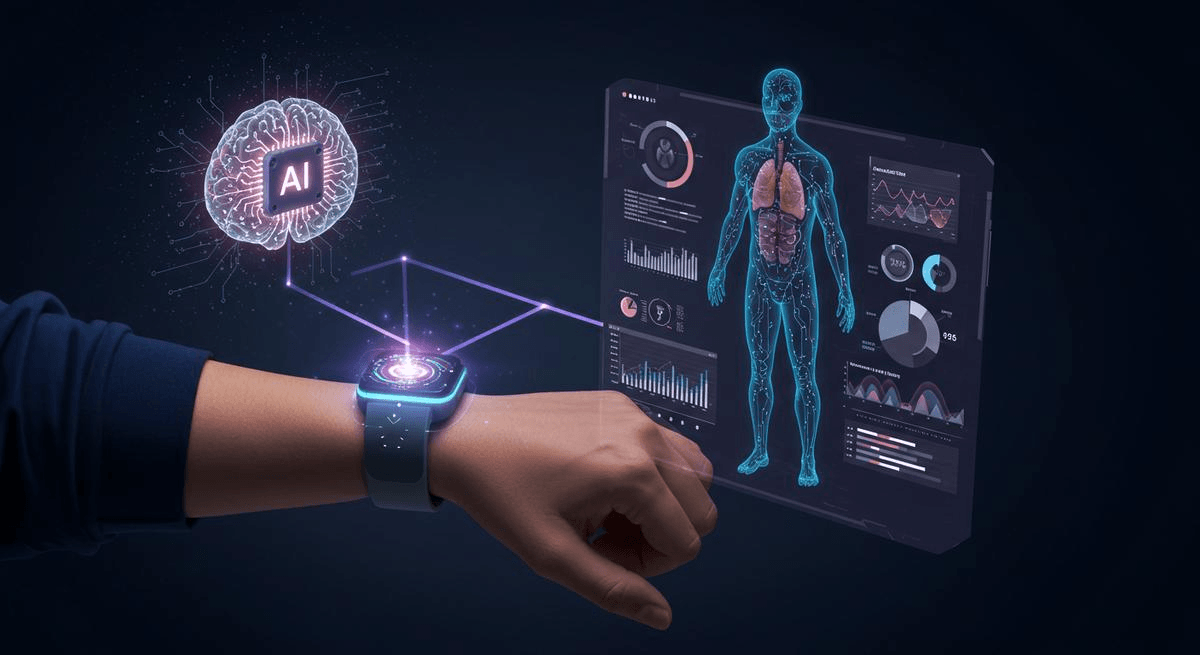
Smartwatches already monitor heart rate, sleep quality, and physical activity.
By 2035, wearable devices may continuously monitor:
- Stress levels
- Hydration
- Blood pressure
- Blood glucose
- Fatigue
- Mental wellness
Future wearables won't simply collect information—they may predict illness before symptoms appear and recommend preventive actions.
Healthcare could become continuous rather than occasional.
Computing Without Screens
The future of technology may not involve screens at all.
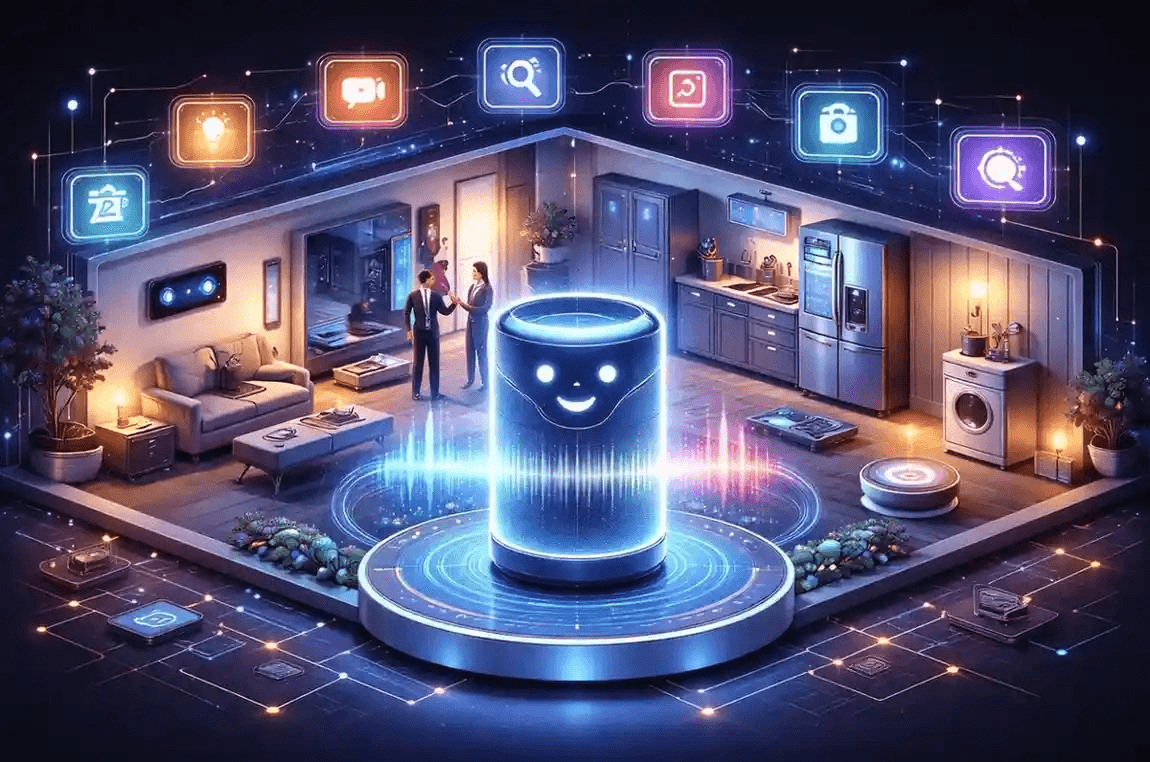
Voice recognition, gesture controls, eye tracking, and artificial intelligence are creating a new concept known as ambient computing—technology that quietly operates in the background.
Imagine entering your home where:
- Lights adjust automatically.
- Music follows your mood.
- The thermostat learns your preferences.
- Your calendar appears only when needed.
- Devices communicate with each other without manual setup.
Instead of interacting with individual gadgets, people may interact with intelligent environments.
Brain-Computer Interfaces: The Boldest Possibility
One of the most exciting technologies under development is the brain-computer interface (BCI).
Researchers are exploring systems that allow humans to control digital devices using neural signals.
Although still in the early stages, future applications could include:
- Typing without keyboards.
- Controlling computers through thought.
- Helping people with paralysis communicate.
- Faster interaction with digital devices.
- Enhanced accessibility technologies.
While this technology raises important ethical questions, it also represents one of the most significant shifts in human-computer interaction.
The Rise of Spatial Computing
Instead of staring at flat screens, future devices may project digital objects directly into our surroundings.
Spatial computing combines artificial intelligence, augmented reality, sensors, and 3D visualization to create immersive digital experiences.
Imagine:
- Designing a house in your living room.
- Collaborating with colleagues on virtual holograms.
- Learning anatomy through interactive 3D models.
- Shopping by placing virtual furniture inside your home.
Computers will no longer be confined to desks—they'll exist all around us.
The Biggest Challenge: Privacy
As technology becomes more personal, privacy becomes more important.
Future devices will constantly collect information about:
- Location
- Voice
- Eye movement
- Health
- Daily habits
- Personal preferences
This creates enormous opportunities for convenience—but also raises serious concerns about how data is collected, stored, and protected.
Building trust will be just as important as building better technology.

Will Smartphones Completely Disappear?
Probably not—at least not immediately.
History shows that new technologies rarely replace old ones overnight.
Desktop computers still exist alongside laptops.
Televisions continue to coexist with streaming devices.
Similarly, smartphones are likely to evolve rather than vanish. For many years, they may work alongside smart glasses, wearables, AI assistants, and other emerging technologies before eventually becoming less central to everyday life.
The transition will likely be gradual rather than sudden.
The Future Is Becoming Invisible
The next generation of technology isn't about bigger screens or faster processors.
It's about making technology disappear into everyday life.
Instead of carrying devices everywhere, we may simply interact with the world naturally while intelligent systems quietly assist us in the background.
The most successful technology of 2035 may not be the one with the most features—it may be the one we barely notice.

Conclusion
The smartphone transformed modern life, but no technology remains dominant forever. Smart glasses, AI assistants, wearables, spatial computing, and brain-computer interfaces are already laying the foundation for the next digital revolution.
Whether smartphones disappear completely or simply become one device among many, one thing is certain: the future of personal technology will be more intelligent, more connected, and far less dependent on screens.
The next decade won't just change the devices we use—it will change how we experience technology itself.