
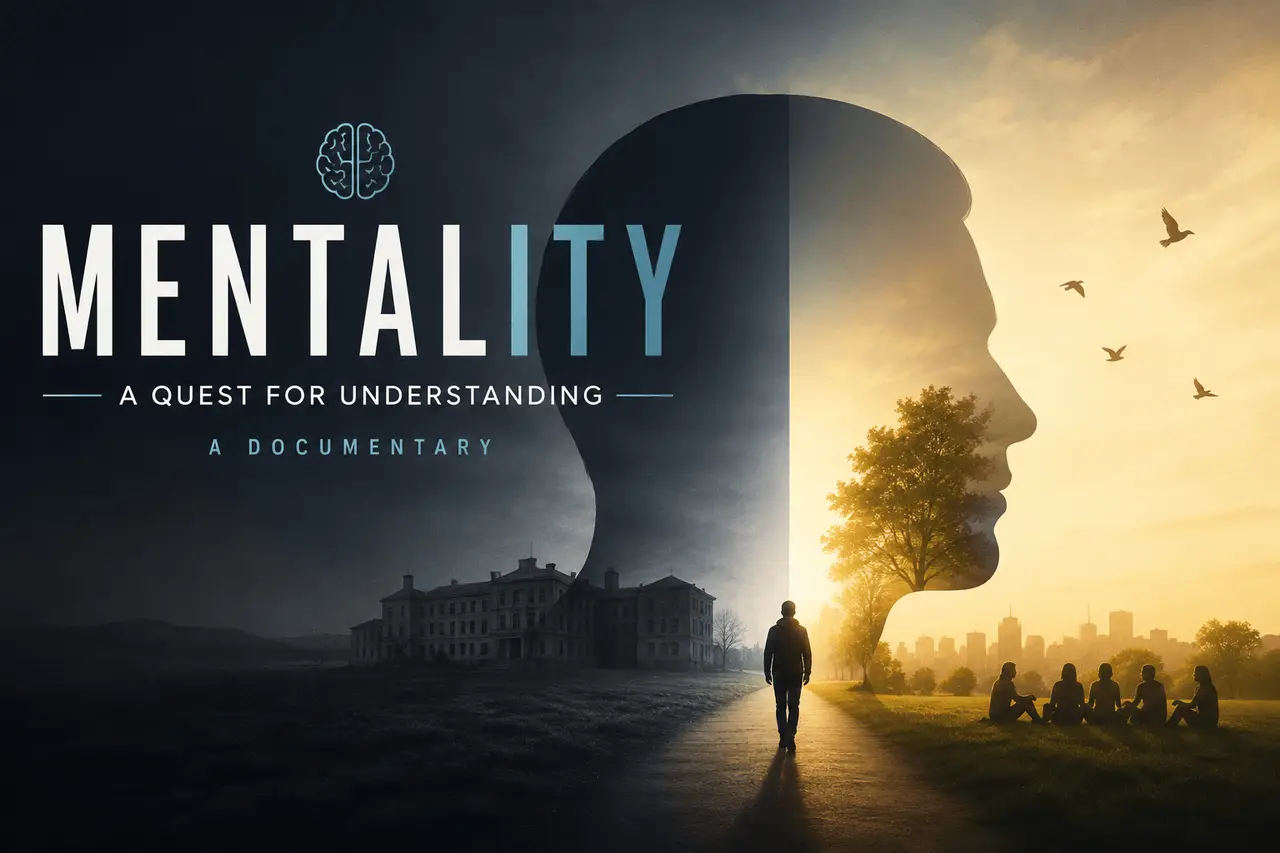
Mental health has always been part of human life, but the way society understands and treats mental illness has changed dramatically over time. For centuries, people experiencing mental-health conditions were often misunderstood, isolated, or treated without proper medical knowledge.
Today, we have a better understanding of mental health, but many challenges still remain.
From Asylums to Modern Care
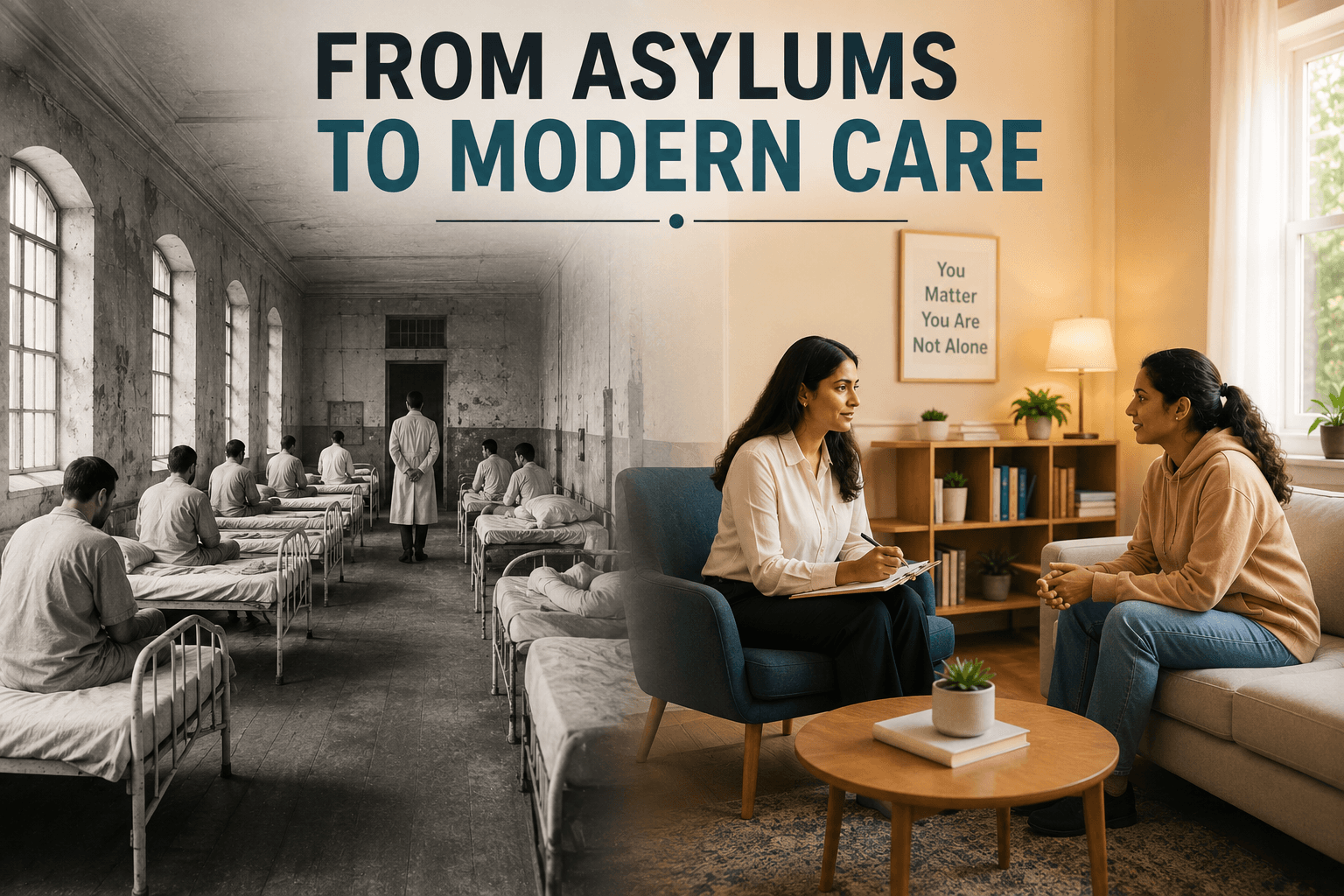
In the past, people with serious mental-health conditions were frequently placed in psychiatric hospitals or asylums. Some stayed there for years, separated from their families and communities.
Treatment options were limited, and mental illness was often viewed through fear and misunderstanding rather than science.
Over time, this approach began to change. Mental-health care gradually moved toward therapy, medication, psychiatric treatment, rehabilitation, and community-based support.
Understanding the Human Being
Mental illness cannot be understood only through medical terms or diagnoses.
Conditions such as depression, anxiety, bipolar disorder, and schizophrenia can affect people's relationships, education, careers, and everyday lives. But a diagnosis does not define the entire person.
People living with mental-health conditions still have ambitions, relationships, talents, responsibilities, and hopes.
Understanding this human side is essential for creating better support systems.
The Problem of Stigma
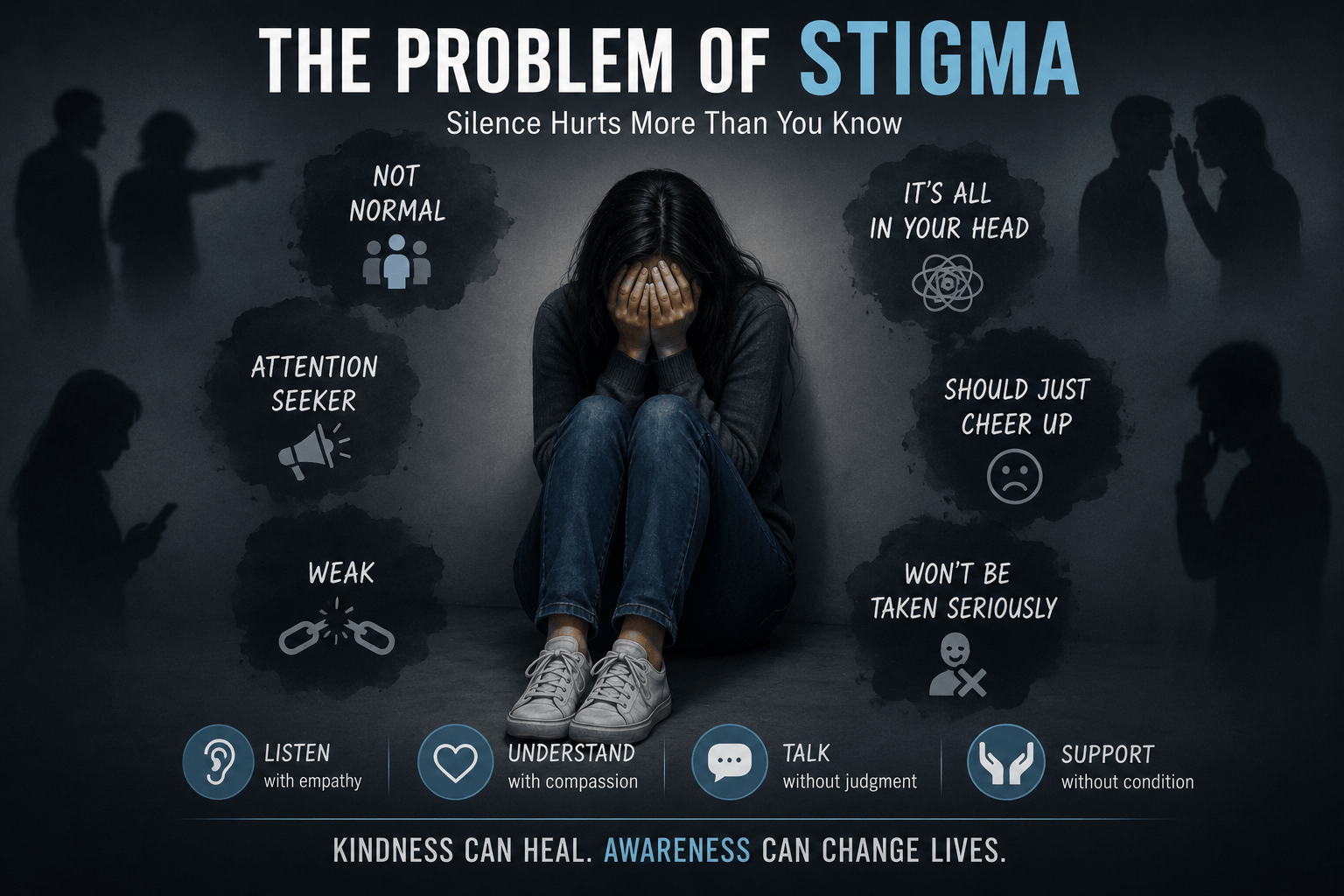
One of the biggest challenges surrounding mental health is stigma.
People may avoid discussing their struggles because they fear being judged, rejected, or misunderstood. Some may even avoid professional help because they worry about how others will react.
This can create a harmful cycle:
Mental illness → stigma → isolation → delayed treatment
Breaking this cycle requires greater awareness and open conversations about mental health.
Has Mental-Health Care Improved?
There has been significant progress in understanding mental illness and developing treatments. Therapy, medication, psychological support, rehabilitation, and community care have helped many people manage their conditions and live fulfilling lives.
However, progress does not mean the problem has been solved.
Many people still struggle to access affordable and appropriate mental-health care. Mental illness can also overlap with wider social problems such as homelessness, poverty, unemployment, and incarceration.
Healthcare alone cannot address all of these challenges.
The Importance of Support
Mental-health recovery is not always a straight path. Professional treatment can be important, but support from family, friends, communities, and society can also make a major difference.
Listening without immediately judging, encouraging someone to seek professional help, and treating mental health seriously can help reduce isolation.
Mental health deserves the same attention and respect as physical health.
Conclusion
Our understanding of mental illness has come a long way, from isolation and misunderstanding toward greater awareness, treatment, and community support.
But the next step is not only developing better treatments. It is building a society where people can talk about mental health without shame or fear.
Understanding replaces stigma. Support replaces isolation. And awareness can make it easier for people to seek the help they need.