
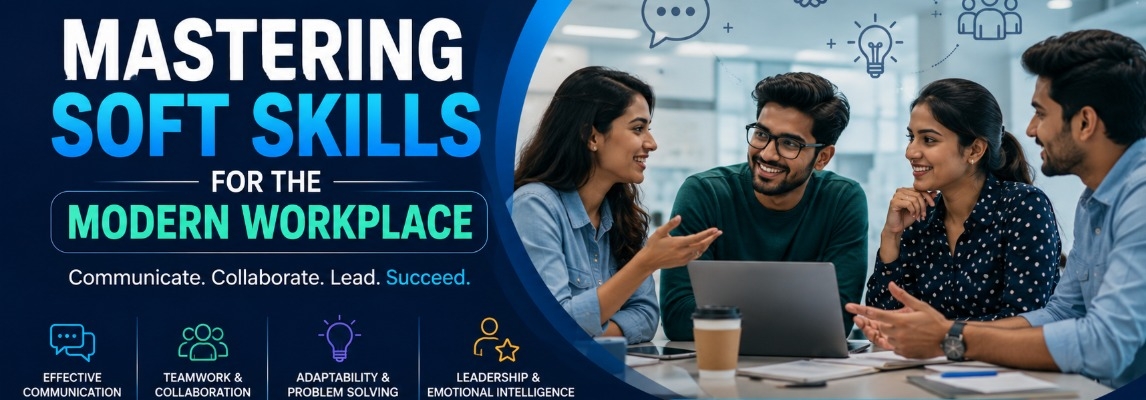
In today's rapidly evolving professional world, technical expertise alone is no longer enough to guarantee success. While hard skills help employees perform specific tasks, soft skills enable them to communicate effectively, collaborate with others, adapt to change, and build meaningful professional relationships. As workplaces become increasingly diverse, digital, and interconnected, mastering soft skills has become essential for career growth and organizational success.
Understanding Soft Skills
Soft skills are personal attributes, interpersonal abilities, and behavioral traits that influence how individuals interact with others and manage their work. Unlike technical skills, which can often be measured and certified, soft skills are demonstrated through actions, attitudes, and communication. These skills play a crucial role in creating a productive and positive work environment.
Employers today actively seek candidates who possess strong soft skills because they contribute to teamwork, customer satisfaction, leadership effectiveness, and overall organizational performance.
The Importance of Soft Skills in the Modern Workplace
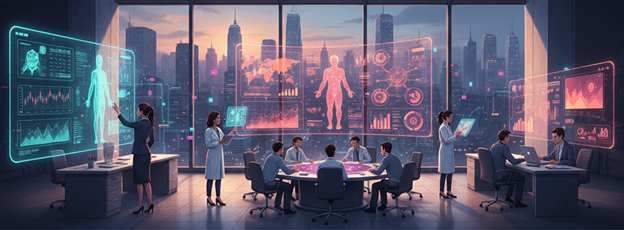
The modern workplace is characterized by technological advancements, remote collaboration, multicultural teams, and constant change. Employees are expected not only to complete tasks efficiently but also to work well with others and adapt to new challenges. Soft skills help bridge the gap between technical knowledge and practical workplace success.
Professionals with strong soft skills are often better equipped to handle conflicts, communicate ideas clearly, lead teams, and navigate workplace challenges. These abilities can significantly improve productivity, employee engagement, and career advancement opportunities.
Essential Soft Skills for Workplace Success
1. Communication Skills
Effective communication is the foundation of professional success. It involves expressing ideas clearly, listening actively, and understanding the perspectives of others. Strong communication skills help prevent misunderstandings, improve collaboration, and build trust among colleagues.
In the digital age, communication extends beyond face-to-face interactions to emails, video conferences, and online collaboration platforms. Professionals must be able to communicate effectively across multiple channels.
2. Teamwork and Collaboration
Most workplace projects require employees to work together toward common goals. Teamwork involves respecting diverse viewpoints, sharing responsibilities, and supporting colleagues when needed.
Successful collaboration fosters innovation and enables organizations to solve complex problems more effectively. Employees who work well in teams contribute to a positive workplace culture and strengthen organizational performance.
3. Adaptability and Flexibility
The modern workplace is constantly changing due to technological developments, market trends, and organizational transformations. Adaptability allows individuals to adjust to new situations, learn new skills, and remain productive during periods of change.
Employees who embrace change are more likely to thrive in dynamic environments and contribute positively to organizational growth.
4. Problem-Solving and Critical Thinking
Organizations value employees who can identify problems, analyze situations, and develop effective solutions. Problem-solving requires creativity, logical reasoning, and the ability to make informed decisions.
Critical thinking helps professionals evaluate information objectively and choose the most appropriate course of action, especially in challenging situations.
5. Emotional Intelligence
Emotional intelligence refers to the ability to understand, manage, and respond appropriately to emotions—both one's own and those of others. It includes self-awareness, empathy, self-regulation, and relationship management.
Employees with high emotional intelligence can handle workplace stress more effectively, resolve conflicts constructively, and build strong professional relationships.
6. Time Management
Managing time efficiently is essential for meeting deadlines and maintaining productivity. Good time management involves prioritizing tasks, setting realistic goals, and avoiding unnecessary distractions.
Professionals who manage their time well are often more organized, less stressed, and better able to achieve their objectives.
7. Leadership Skills
Leadership is not limited to managerial positions. Employees at all levels can demonstrate leadership by taking initiative, motivating others, and contributing positively to team success.
Strong leaders inspire confidence, encourage collaboration, and help organizations achieve their goals. Leadership skills become increasingly important as professionals advance in their careers.
Strategies for Developing Soft Skills
Soft skills can be developed and improved through consistent practice and self-awareness. Some effective strategies include:
- Seeking feedback from colleagues and supervisors.
- Participating in team projects and group discussions.
- Practicing active listening and effective communication.
- Attending workshops, seminars, and training programs.
- Learning from mentors and experienced professionals.
- Reflecting on personal strengths and areas for improvement.
Continuous learning and a willingness to grow are key to mastering these skills.
The Future of Soft Skills
As automation and artificial intelligence continue to transform workplaces, uniquely human abilities such as creativity, empathy, communication, and leadership will become even more valuable. While technology can automate routine tasks, it cannot fully replace the interpersonal and emotional capabilities that soft skills provide.
Organizations are increasingly recognizing the importance of these competencies and investing in employee development programs that focus on enhancing soft skills alongside technical expertise.
Conclusion
Mastering soft skills is no longer optional in the modern workplace—it is a necessity. Communication, teamwork, adaptability, emotional intelligence, leadership, and problem-solving abilities enable professionals to excel in their roles and contribute meaningfully to organizational success. By continuously developing these skills, individuals can improve their career prospects, build stronger professional relationships, and remain competitive in an ever-changing world of work. In the future, the most successful professionals will be those who combine technical knowledge with exceptional soft skills to create lasting impact and value.