
How Recruiters Use AI to Screen Candidates: What Every Job Seeker Should Know
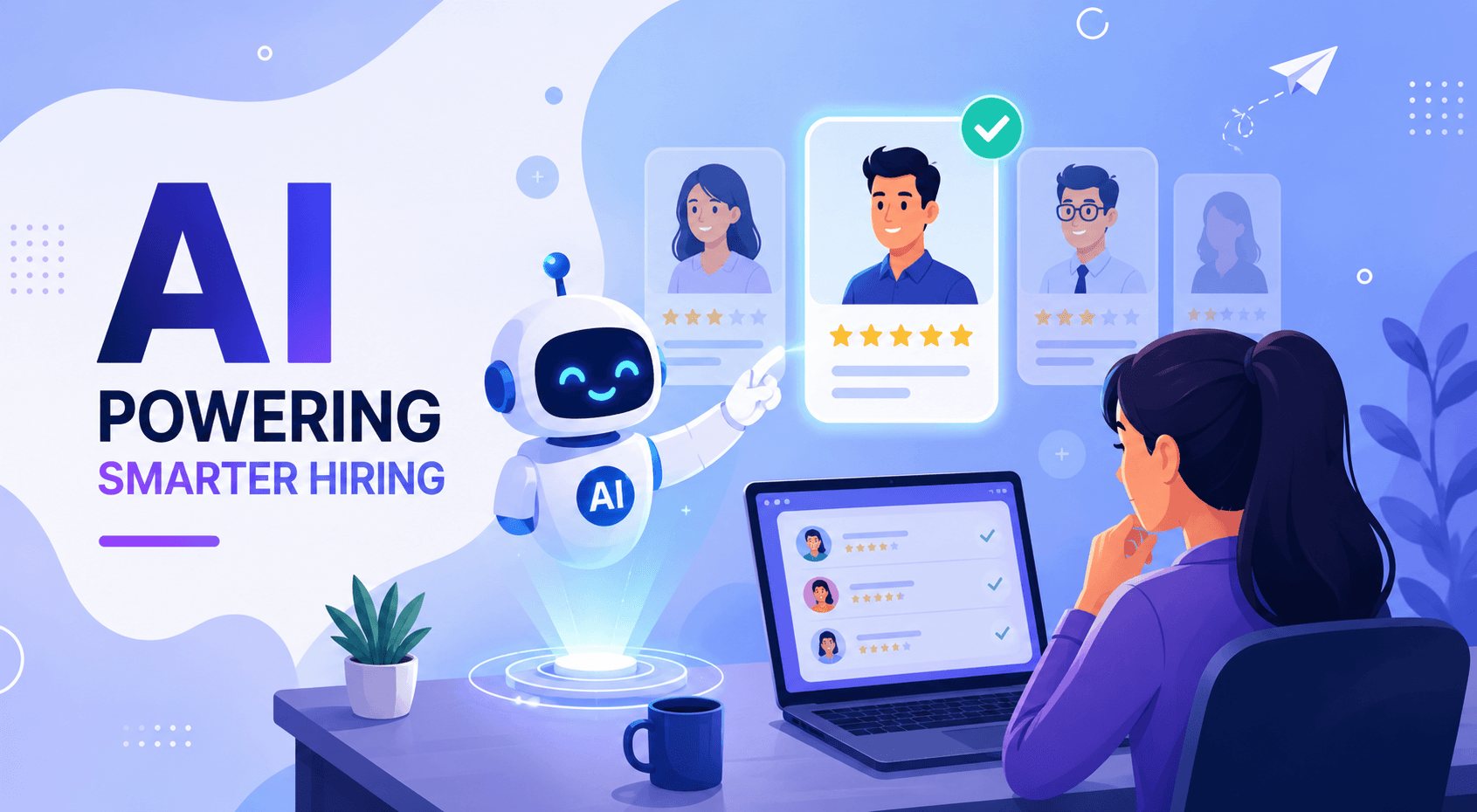
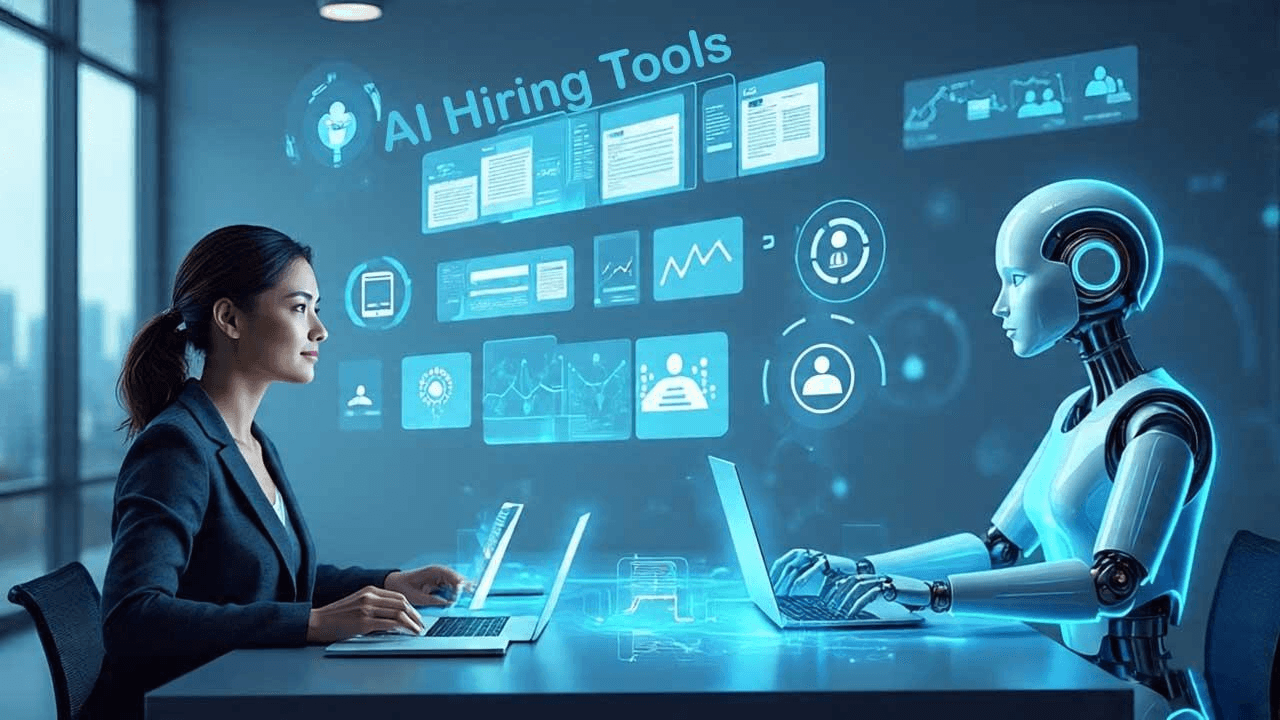
The recruitment landscape has undergone a significant transformation over the past few years. Artificial Intelligence (AI) is no longer a futuristic concept—it has become a core part of modern hiring. From reviewing resumes to scheduling interviews, AI is helping organizations recruit faster, reduce manual effort, and identify qualified candidates more efficiently.
For job seekers, this shift brings both opportunities and challenges. While AI can help match candidates to suitable roles, it also means that your resume and online presence need to be optimized for both technology and human recruiters.
Understanding how AI works in recruitment isn't about "beating the system." It's about presenting your qualifications clearly, professionally, and in a way that accurately reflects your capabilities.
Why Companies Are Turning to AI Recruitment
Recruitment teams often receive hundreds or even thousands of applications for a single job opening. Reviewing each application manually is time-consuming and can delay hiring decisions.
AI-powered recruitment platforms help organizations by:
- Processing large volumes of applications within minutes.
- Identifying candidates whose qualifications closely match job requirements.
- Reducing repetitive administrative work.
- Supporting data-driven hiring decisions.
- Improving the overall candidate experience through faster responses.
Rather than replacing recruiters, AI enables them to spend more time interviewing, evaluating candidates, and building relationships.
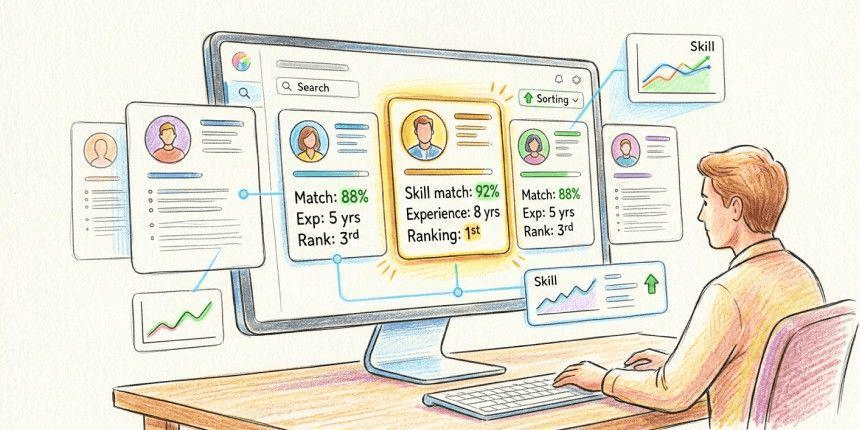
How AI Actually Screens Your Resume
Many people believe AI simply searches for a few keywords and rejects everyone else. In reality, modern recruitment systems evaluate multiple aspects of an application before presenting qualified candidates to recruiters.
1. Resume Parsing
When you upload your resume, AI software extracts important information and organizes it into structured fields.
Typical information includes:
- Contact information
- Educational qualifications
- Professional experience
- Technical skills
- Certifications
- Projects
- Awards
- Languages
This process allows recruiters to search and compare applicants quickly.
2. Understanding the Job Description
Modern AI systems analyze job descriptions to understand what employers are looking for.
They identify:
- Required skills
- Preferred qualifications
- Years of experience
- Industry knowledge
- Certifications
- Technical tools
- Soft skills
The system then compares each application against these requirements.
3. Skills and Experience Matching
Instead of looking at one keyword in isolation, AI evaluates whether your overall experience aligns with the role.
For example, if a company is hiring a Data Analyst, the system may recognize related skills such as:
- SQL
- Python
- Excel
- Power BI
- Tableau
- Data Visualization
- Statistics
Candidates demonstrating relevant experience across multiple areas generally receive stronger matches.

4. Candidate Ranking
Once applications have been analyzed, AI assigns relevance scores based on how closely each profile aligns with the job.
Factors that influence ranking include:
- Relevant work experience
- Skill alignment
- Education
- Certifications
- Career progression
- Project experience
Recruiters often begin reviewing candidates with the strongest overall matches.
5. AI-Assisted Assessments
Many organizations supplement resume screening with online assessments.
These may evaluate:
- Logical reasoning
- Programming ability
- Analytical thinking
- Communication skills
- Numerical aptitude
- Situational judgment
These assessments provide recruiters with additional insights beyond what's written on a resume.
Beyond the Resume: AI Also Evaluates Your Professional Presence
A resume tells recruiters what you've done.
Your online professional profile shows who you are today.
Many recruiters review professional networking platforms and digital portfolios before scheduling interviews.
An impressive online profile should include:
- Professional headline
- Updated experience
- Skills
- Certifications
- Portfolio projects
- Recommendations
- Professional achievements
Candidates with an active professional presence often create a stronger overall impression.
Common Resume Mistakes That Reduce Visibility
Even highly qualified candidates can reduce their chances by making avoidable mistakes.
These include:
Generic Resumes
Submitting the same resume for every position rarely produces the best results.
Tailor each application to the specific job description.
Missing Relevant Skills
If important skills required for the position are absent from your resume, recruiters may struggle to identify your suitability.
Poor Formatting
Overly designed resumes with excessive graphics, text boxes, or complicated layouts may not be interpreted correctly by some systems.
Choose a clean, professional design with clear headings.
Lack of Measurable Results
Rather than writing:
"Responsible for managing projects."
Write:
"Managed five cross-functional projects that improved operational efficiency by 25%."
Numbers provide evidence of impact.
Does AI Automatically Reject Candidates?
This is one of the biggest misconceptions about AI recruitment.
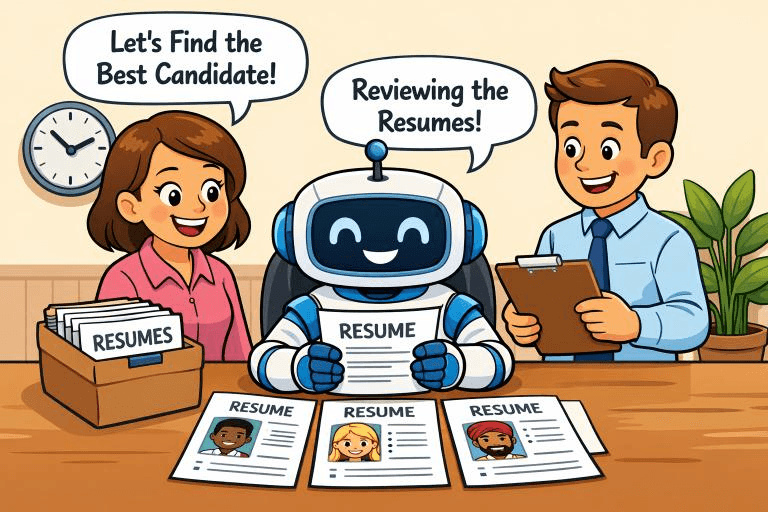
In most organizations, AI serves as a decision-support tool—not a decision-maker.
Recruiters still evaluate:
- Communication skills
- Career progression
- Cultural alignment
- Leadership potential
- Motivation
- Interview performance
AI helps prioritize applications, but people make hiring decisions.
How to Make Your Resume AI-Friendly
Here are practical strategies to improve your chances of passing AI-assisted screening.
Use Relevant Keywords
Study the job description carefully.
If the employer requests skills that genuinely match your experience, include those terms naturally within your resume.
Focus on Skills
Create a dedicated skills section highlighting both technical and interpersonal strengths.
Examples include:
- Project Management
- Data Analysis
- Python
- Digital Marketing
- Leadership
- Communication
- Problem Solving
Highlight Achievements
Employers value results more than responsibilities.
Where possible, quantify your accomplishments using percentages, numbers, revenue, productivity improvements, or project outcomes.
Keep Learning
Continuous learning demonstrates adaptability.
Include:
- Industry certifications
- Online courses
- Workshops
- Bootcamps
- Professional training
Learning new skills keeps your profile competitive.
Maintain an Updated Online Presence
Your resume should align with your professional profiles.
Ensure consistency across:
- Job titles
- Employment dates
- Skills
- Certifications
- Projects
A consistent digital identity builds trust with recruiters.
The Human Side of AI Recruitment
While AI improves efficiency, recruitment remains a human-centered process.
Recruiters continue to evaluate qualities that technology cannot fully measure:
- Emotional intelligence
- Creativity
- Leadership
- Teamwork
- Adaptability
- Professional attitude
Technology may open the door—but your personality, preparation, and communication help you walk through it.
Preparing for the Future of Hiring
AI will continue to reshape recruitment over the coming years. We can expect hiring systems to become more intelligent, personalized, and skill focused.
For candidates, the key to success isn't finding shortcuts—it's building genuine expertise, communicating achievements effectively, and staying committed to continuous learning.
Professionals who embrace technology while strengthening their human skills will be best positioned to thrive in the evolving job market.
Final Thoughts
Artificial Intelligence is changing how companies discover and evaluate talent, but it hasn't changed what truly matters: skills, experience, curiosity, and the ability to solve real-world problems.
Instead of worrying about AI rejecting your application, focus on creating a resume that clearly demonstrates your value. Pair it with a strong online professional profile, measurable achievements, and a commitment to lifelong learning.