
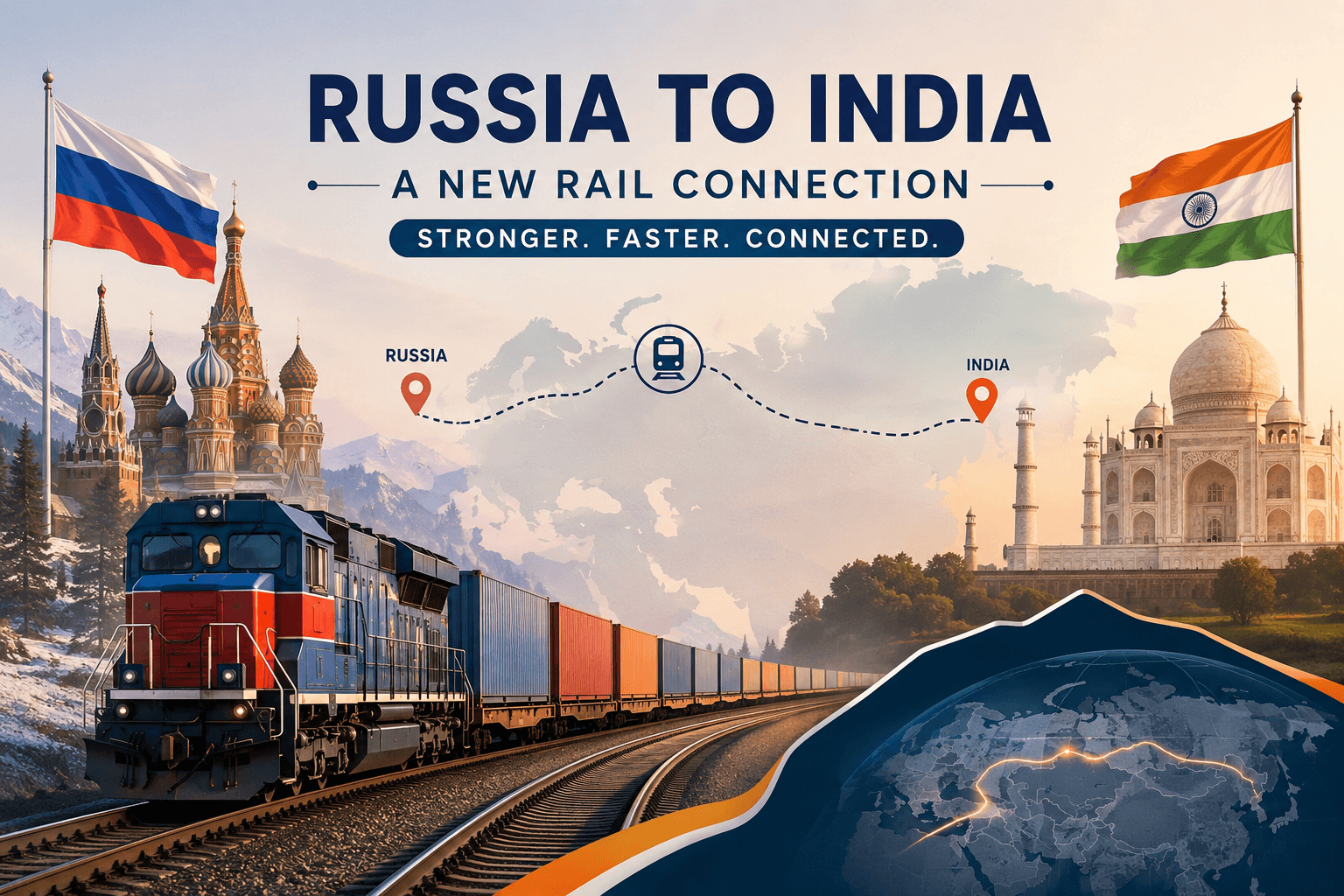
International trade routes are witnessing a potential shift in strategy as Russia floats an ambitious proposal to establish direct railway connectivity with India. Recently, Russian Deputy Prime Minister Marat Khusnullin suggested that exploring a land-based rail corridor is essential for strengthening economic ties and bypassing volatile maritime chokepoints.
The Strategic Vision
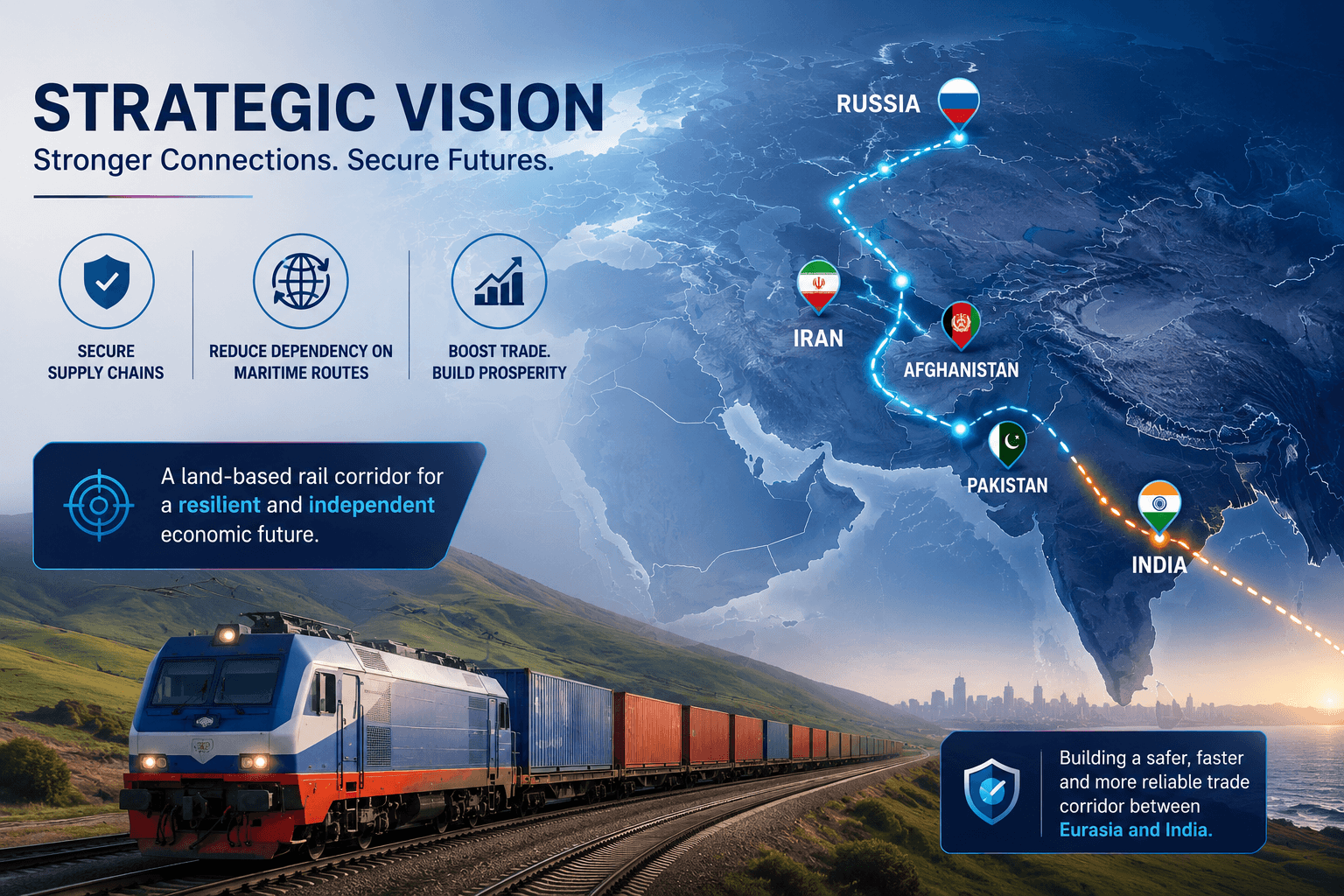
The primary driver behind this proposal is the need for redundancy and security in global supply chains. Currently, much of the trade between the two nations relies on maritime routes passing through the Strait of Hormuz and the Bosphorus. By creating a dedicated land corridor, Russia aims to reduce its dependency on these maritime lanes, which are often susceptible to geopolitical tensions and security risks.
The Proposed Route
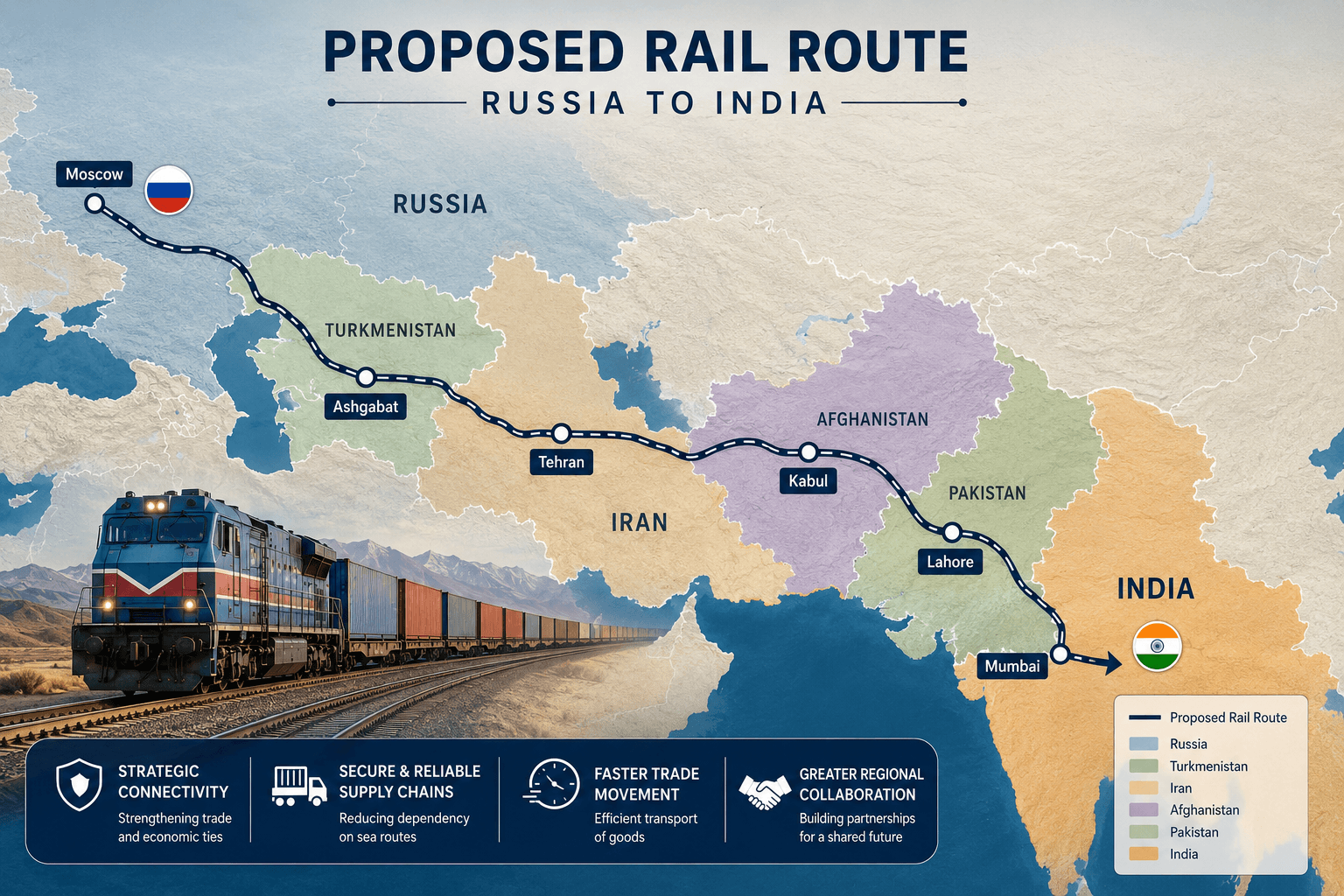
While still in the conceptual phase, the potential corridor is envisioned to traverse through countries like Turkmenistan, Iran, Afghanistan, and Pakistan. This project would essentially build upon the existing framework of the International North-South Transport Corridor (INSTC), which already facilitates multi-modal trade (a mix of rail and sea) between the nations.
Is It Practical? The Road Ahead
Despite the strategic benefits, the project faces significant hurdles:
Geopolitical Complexity: The proposed route must navigate the political landscapes of several countries, requiring extensive cross-border coordination and long-term diplomatic agreements.
Infrastructure Requirements: Many regions along the proposed route lack modern, high-capacity rail infrastructure. Upgrading or building entirely new networks would require billions of dollars in investment.
Economic Sanctions: Current international sanctions on Russia complicate financing and international cooperation, posing a major challenge to securing the necessary capital and technical support
Conclusion
The idea of a direct rail link from Russia to the Indian Ocean is a bold step toward deepening the $100 billion trade target projected for 2030. While a passenger train between Moscow and New Delhi remains a distant dream, the focus is clearly on creating a reliable, high-volume goods transport network. Whether this vision moves from a proposal to reality remains a topic of intense global observation.