

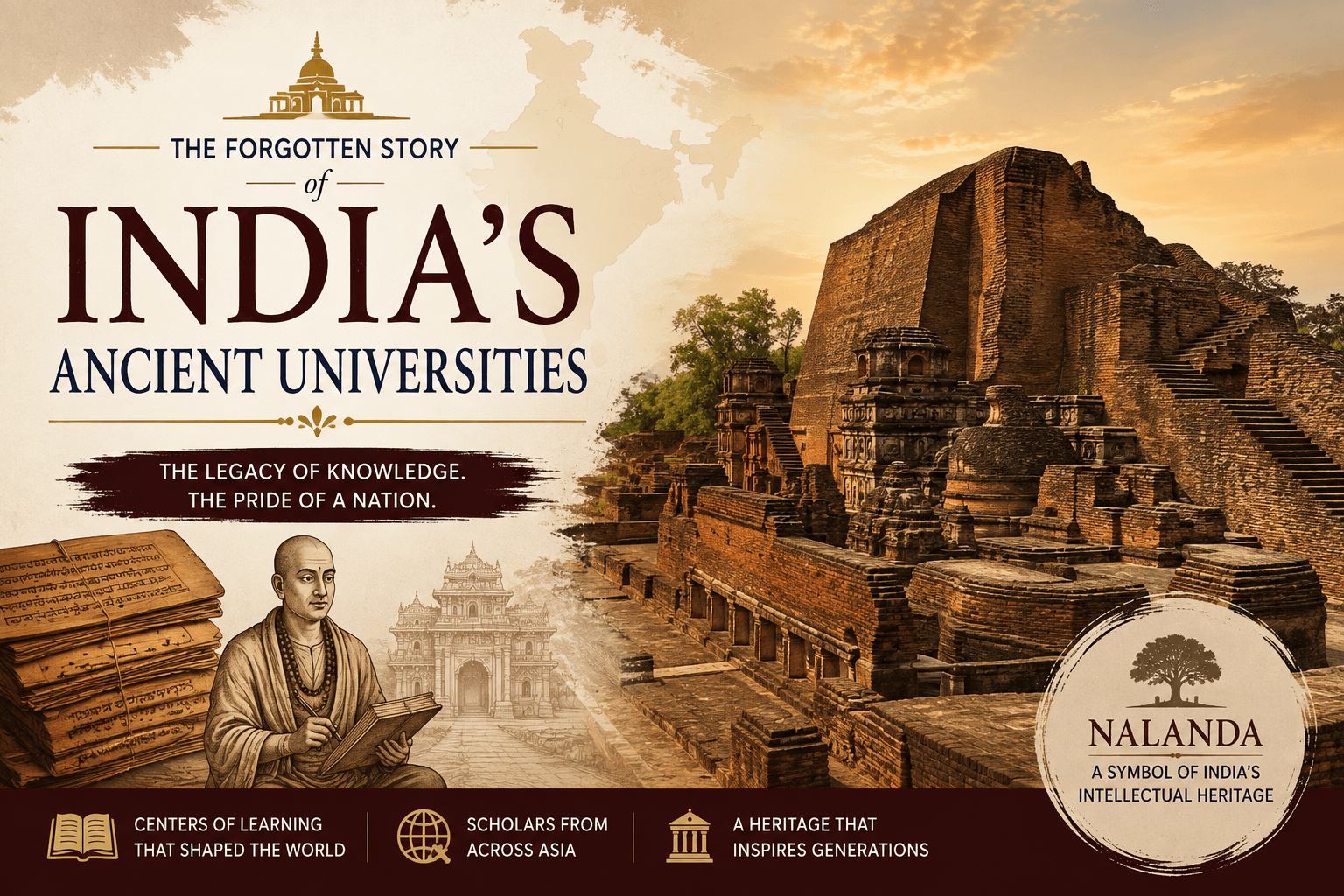
India’s history is filled with remarkable achievements in science, mathematics, architecture, literature, and education. One of the most fascinating chapters is the story of India’s ancient centers of learning, particularly Nalanda, one of the world’s earliest major residential universities.
The Rise of Nalanda
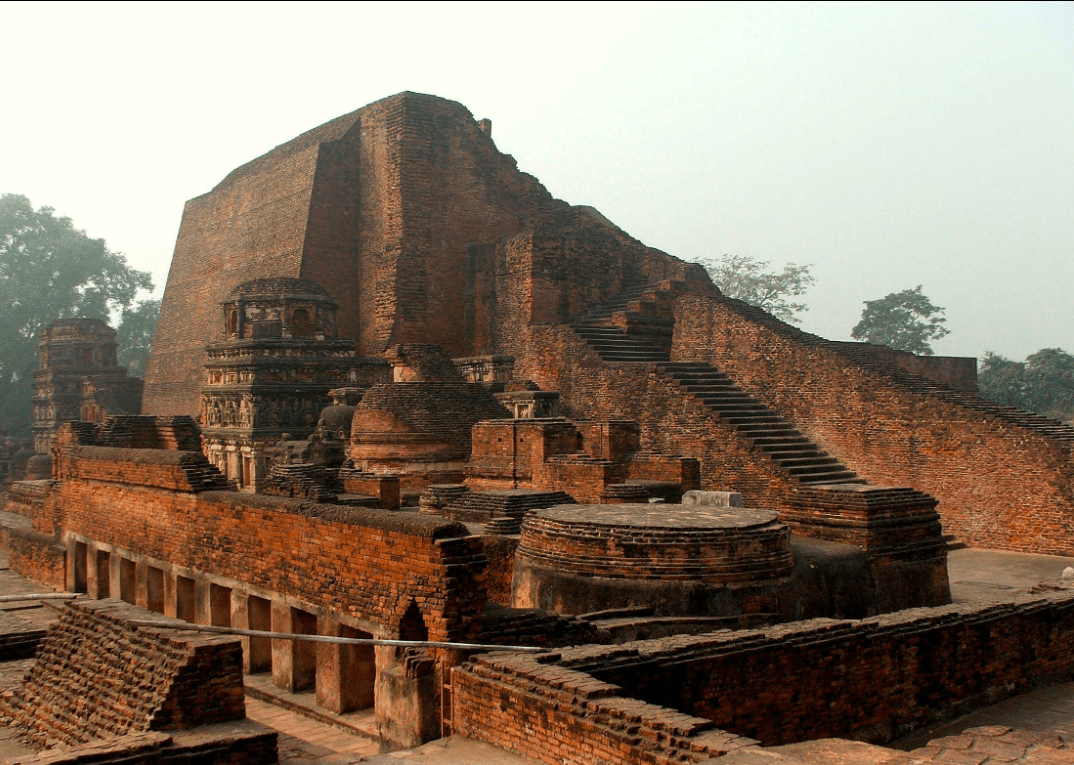
Nalanda was established in ancient India, traditionally associated with the Gupta period around the 5th century CE, in present-day Bihar. It grew into a major center of learning and attracted students and scholars from different parts of Asia.
Unlike a modern university, Nalanda was a large residential institution where students and teachers lived and studied together.
A Center of Global Learning
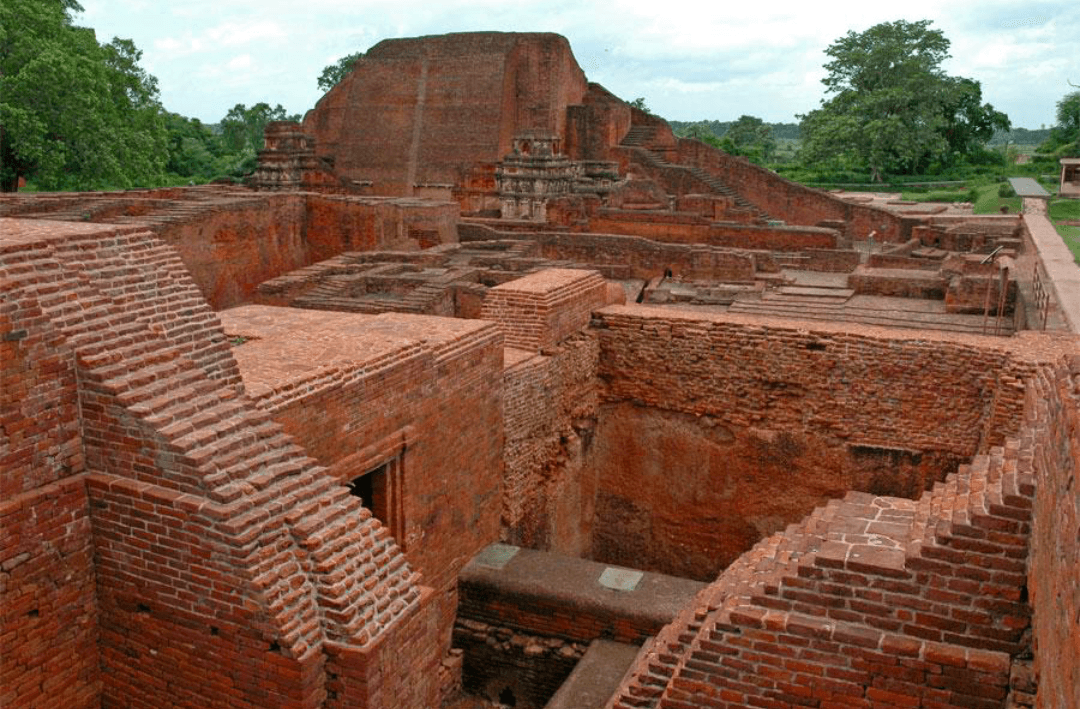
Nalanda offered education in subjects far beyond religious studies. Students could study philosophy, medicine, mathematics, astronomy, grammar, logic, and Buddhist teachings.
Travelers from China, including the famous scholar Xuanzang, visited Nalanda and documented their experiences. His writings provide valuable information about Indian education and society during that period.
A Massive Knowledge Center
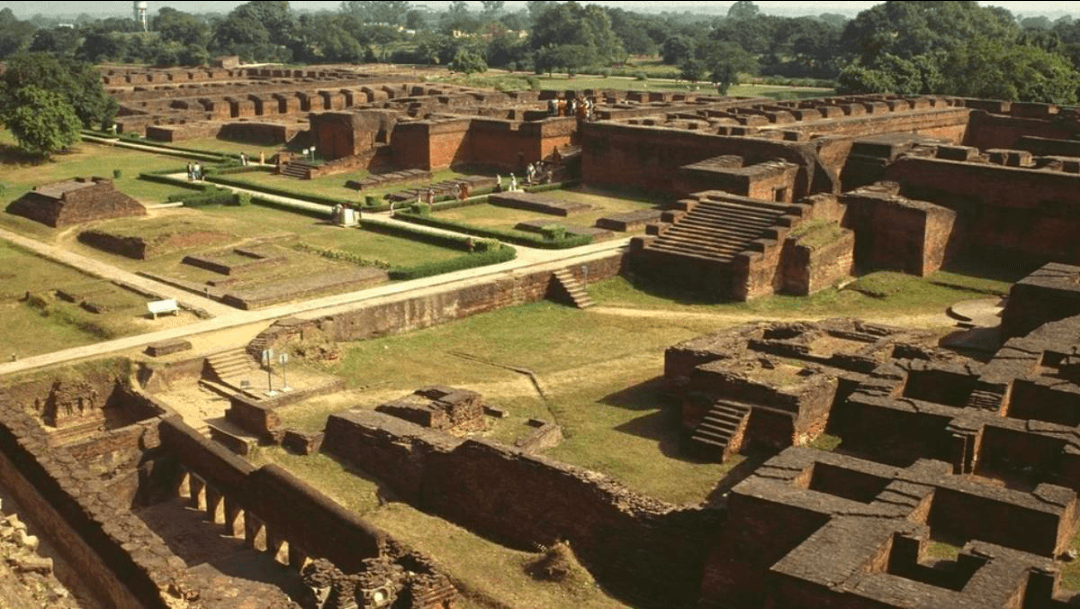
Nalanda developed into a large educational complex containing monasteries, temples, classrooms, and libraries. Thousands of students and teachers are believed to have lived there at its height.
Its libraries were particularly famous. Ancient manuscripts covering different fields of knowledge were preserved and studied there.
The university's influence extended beyond India. Scholars carried knowledge and Buddhist philosophical traditions to regions across Asia.
The Decline of Nalanda
Nalanda eventually declined during a period of political and military upheaval in northern India. By the late 12th and early 13th centuries, the institution had largely ceased to function.
The destruction and loss of manuscripts represented a major setback for the preservation of ancient knowledge.
Why Nalanda Still Matters
Nalanda is more than an archaeological site. It represents India's long history of organized education, intellectual debate, and international scholarship.
Today, its ruins remind us that knowledge once traveled across borders through students, teachers, books, and ideas.
The story of Nalanda shows that India's history was not only shaped by kings and battles. It was also shaped by people who spent centuries studying, questioning, teaching, and preserving knowledge.