

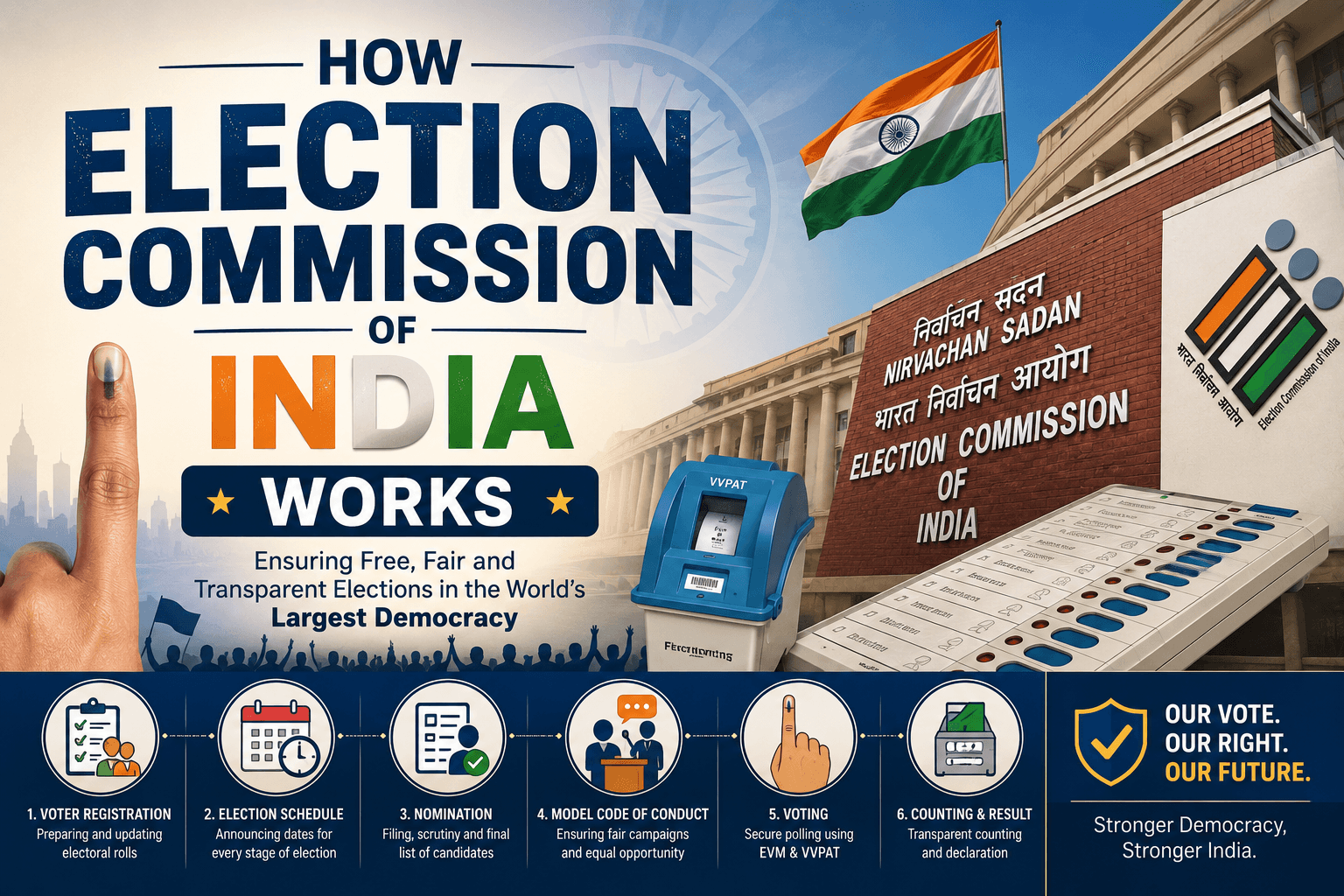
India is the world's largest democracy, with millions of people voting to choose their representatives. Managing elections on such a massive scale requires an independent organization. That responsibility belongs to the Election Commission of India (ECI). Here is a simple explanation of what the Election Commission does and how it conducts elections in India.
1. What Is the Election Commission of India?
The Election Commission of India is an independent constitutional authority responsible for conducting and supervising elections in the country. It was established on 25 January 1950 under Article 324 of the Constitution of India. Its main responsibility is to ensure that elections are conducted in a free, fair, and organized manner.
2. Which Elections Does the ECI Conduct?
The Election Commission manages elections for:
- Lok Sabha
- Rajya Sabha
- State Legislative Assemblies
- State Legislative Councils
- President of India
- Vice-President of India
Local elections such as municipal and panchayat elections are generally managed by separate State Election Commissions.
3. Preparing the Voter List
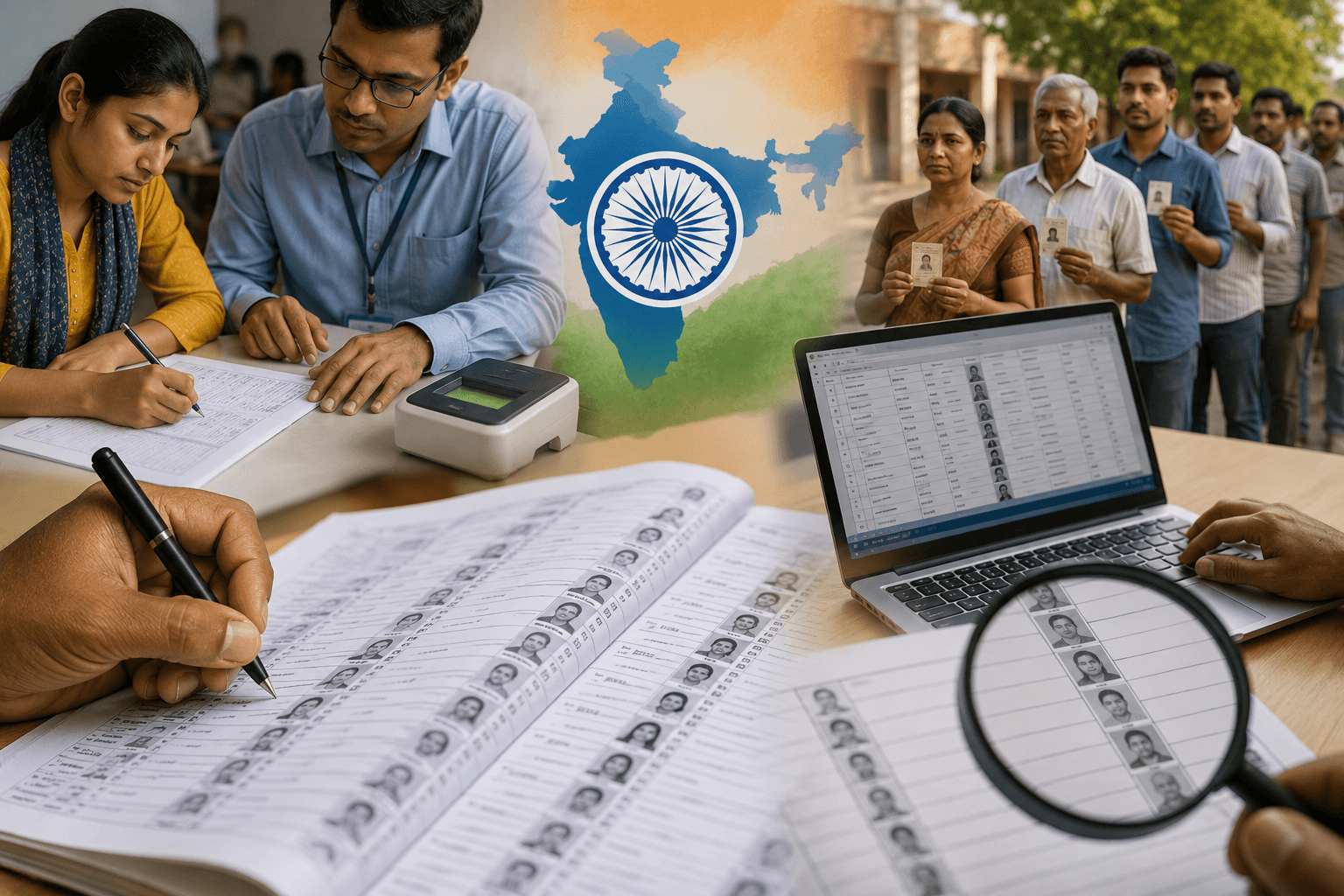
Before an election can happen, the Election Commission needs to determine who is eligible to vote. Indian citizens who are 18 years or older can register as voters if they meet the required eligibility conditions. The electoral rolls are regularly updated to add eligible voters, correct information, remove duplicate entries, and account for voters who have died or moved. This creates the official list of people who can vote in each constituency.
4. Announcing the Election Schedule
When an election approaches, the Election Commission announces important dates.
These normally include:
- Candidate nomination dates
- Nomination scrutiny
- Withdrawal deadline
- Voting date or dates
- Counting date
Large elections can take place in several phases because of India's population, geography, security requirements, and logistical challenges.
5. Candidates File Their Nominations
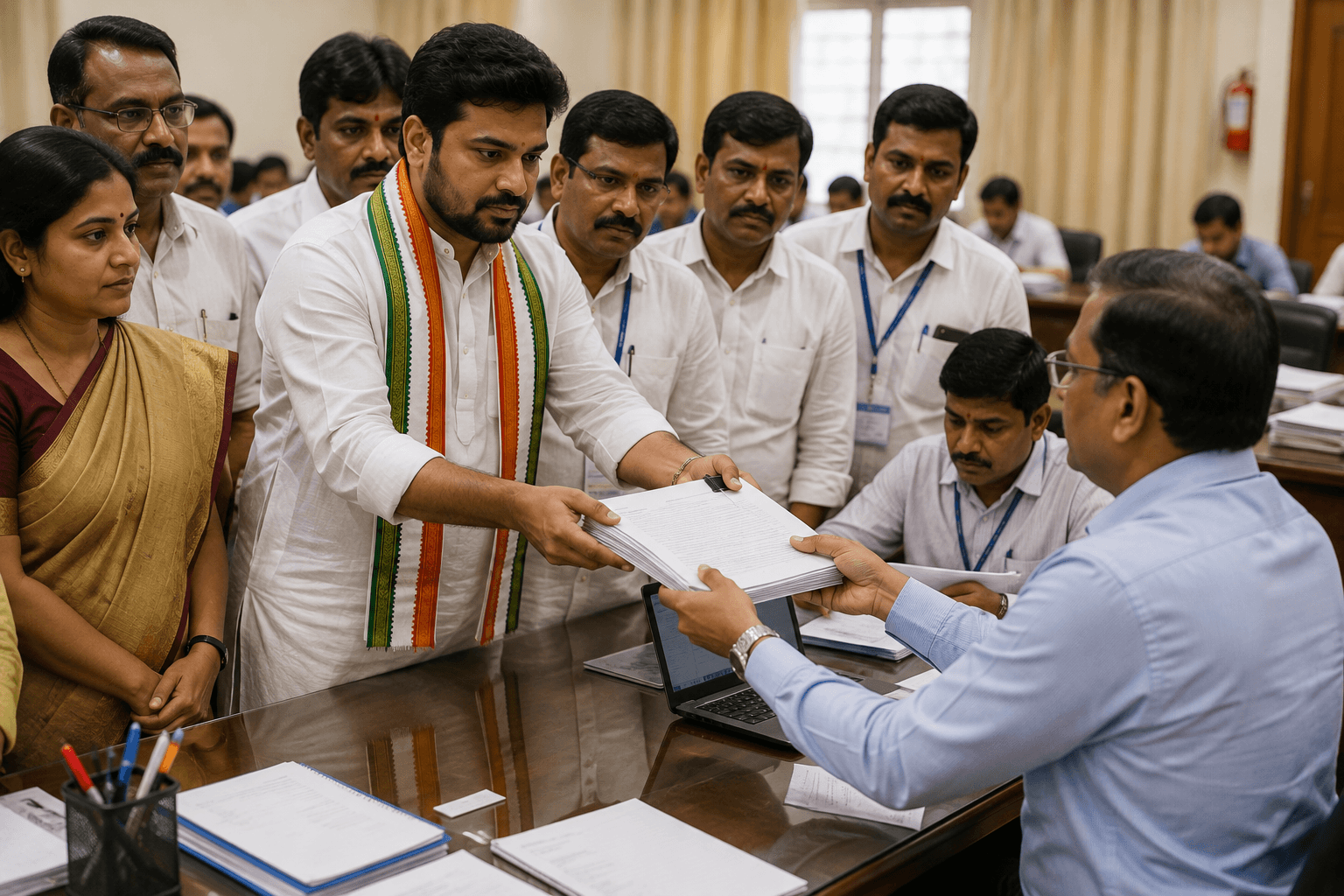
People who want to contest an election must submit nomination papers. Election officials examine these documents to check whether candidates meet the legal requirements. Candidates may represent recognized political parties, other registered parties, or contest as independents. After nominations and withdrawals are completed, the final list of candidates is prepared.
6. Model Code of Conduct
Once the election schedule is announced, the Model Code of Conduct (MCC) comes into effect. It provides guidelines for political parties and candidates during the election period. It covers areas such as campaigning, public meetings, speeches, government announcements, use of official resources, and conduct around polling stations. The purpose is to maintain a fair electoral environment.
7. How Voting Takes Place
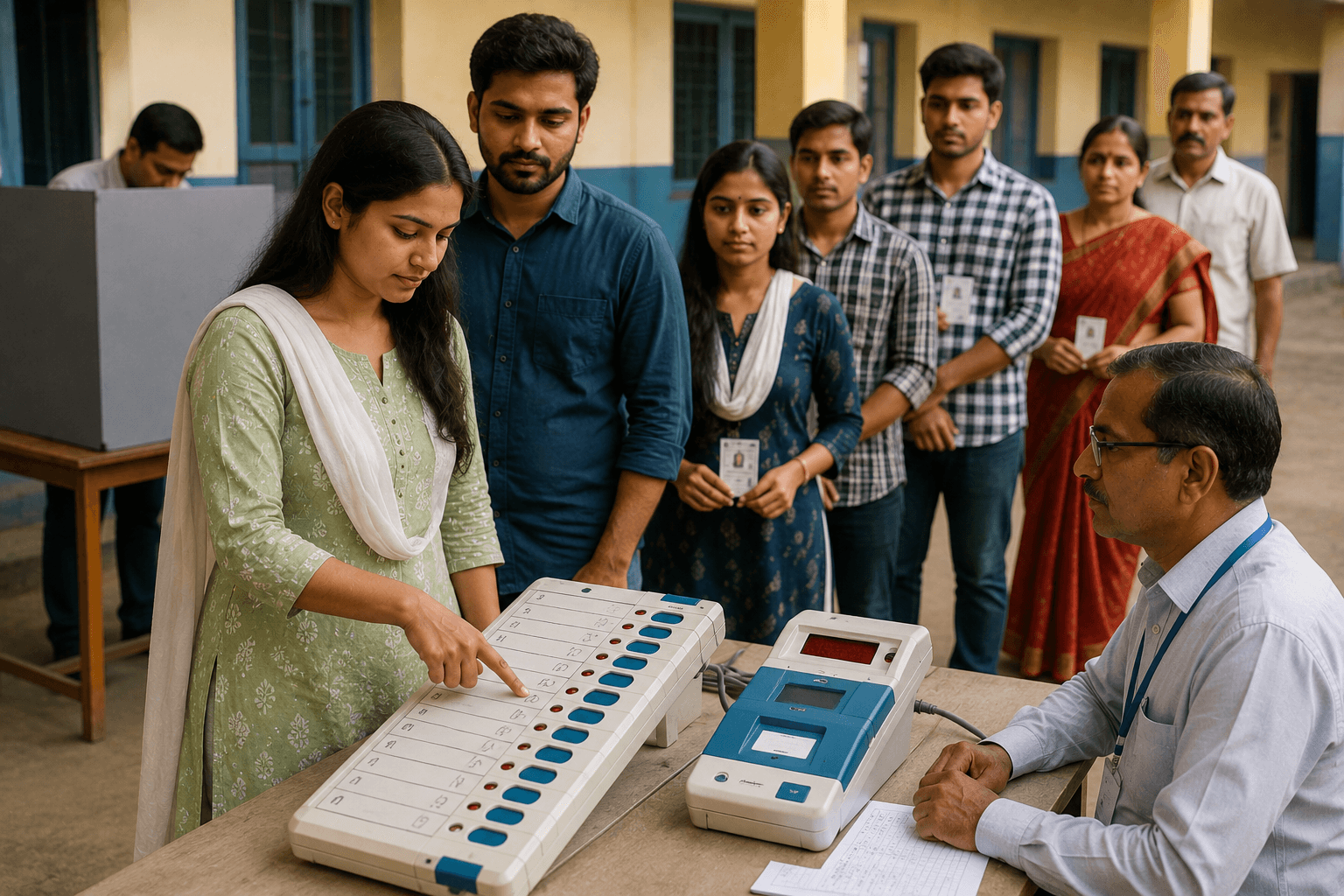
On election day, registered voters visit their assigned polling stations.
India primarily uses Electronic Voting Machines (EVMs) along with the Voter Verifiable Paper Audit Trail (VVPAT) system. The voter selects a candidate on the EVM. The VVPAT briefly displays a paper slip showing the candidate selected, allowing the voter to verify that the vote was recorded as intended. Election officials and security personnel are deployed to polling stations to manage the process.
8. Counting the Votes
After polling is completed, the voting machines are secured and transported according to established procedures. Votes are counted on the officially announced counting day under the supervision of election officials and in the presence of authorized representatives. Once counting is completed, the candidate receiving the required highest number of votes in a constituency is declared elected.
9. Why Is the Election Commission Important?
The Election Commission plays a major role in protecting India's democratic system. Its responsibilities go beyond simply arranging polling booths. It supervises the electoral process, maintains voter rolls, monitors election campaigns, implements election rules, oversees counting, and works to provide eligible citizens with an opportunity to vote. Without an independent election authority, maintaining public confidence in elections would be much harder.
Conclusion
The Election Commission of India is one of the key institutions supporting Indian democracy. From preparing voter lists and announcing election schedules to supervising campaigns, conducting polling, and overseeing vote counting, the ECI manages almost every major stage of national and state elections. For voters, understanding how this system works makes it easier to understand how representatives are elected and how one vote becomes part of India's democratic process.