
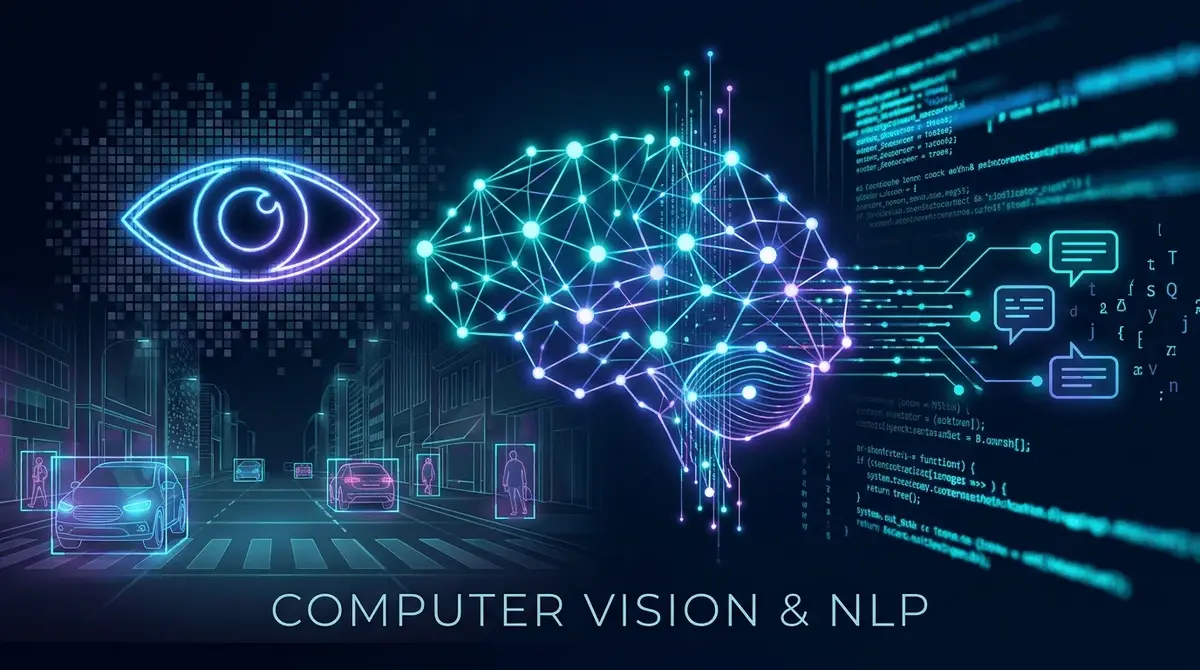
Embark on a journey into the fascinating intersection of how machines "see" and "understand" language, a domain that is rapidly reshaping our digital world. This League delves into the foundational principles of Computer Vision, the field that empowers computers to interpret and process visual information from the world, much like human eyes do. You'll discover how algorithms can recognize objects, detect faces, analyze scenes, and even understand the actions occurring within an image or video stream.
Complementing this visual prowess, we will explore the fundamentals of Natural Language Processing (NLP), the branch of artificial intelligence dedicated to enabling computers to comprehend, interpret, and generate human language. This means teaching machines to read text, understand sentiment, translate languages, answer questions, and even engage in conversations. The synergy between Computer Vision and NLP unlocks incredibly powerful applications, allowing systems to not only perceive the visual world but also to articulate and reason about it in a human-understandable way.
By mastering the core concepts of this League, you will gain the ability to build intelligent systems that can bridge the gap between the physical and digital realms, opening doors to innovative solutions across numerous industries. Whether you are intrigued by creating smart cameras that can identify products on a shelf or developing chatbots that can describe visual content, this introductory League provides the essential building blocks.

Unpacking the Core Concepts
This League is structured to provide a solid theoretical and practical grounding in the essential techniques that drive modern Computer Vision and NLP. We focus on building a clear understanding of the underlying mechanisms, rather than just abstract theory.
Foundations of Computer Vision
- Image Representation: You will learn how digital images are represented as grids of pixels, understanding concepts like color spaces (RGB, Grayscale), image dimensions, and pixel intensity values, which are fundamental to any visual processing task.
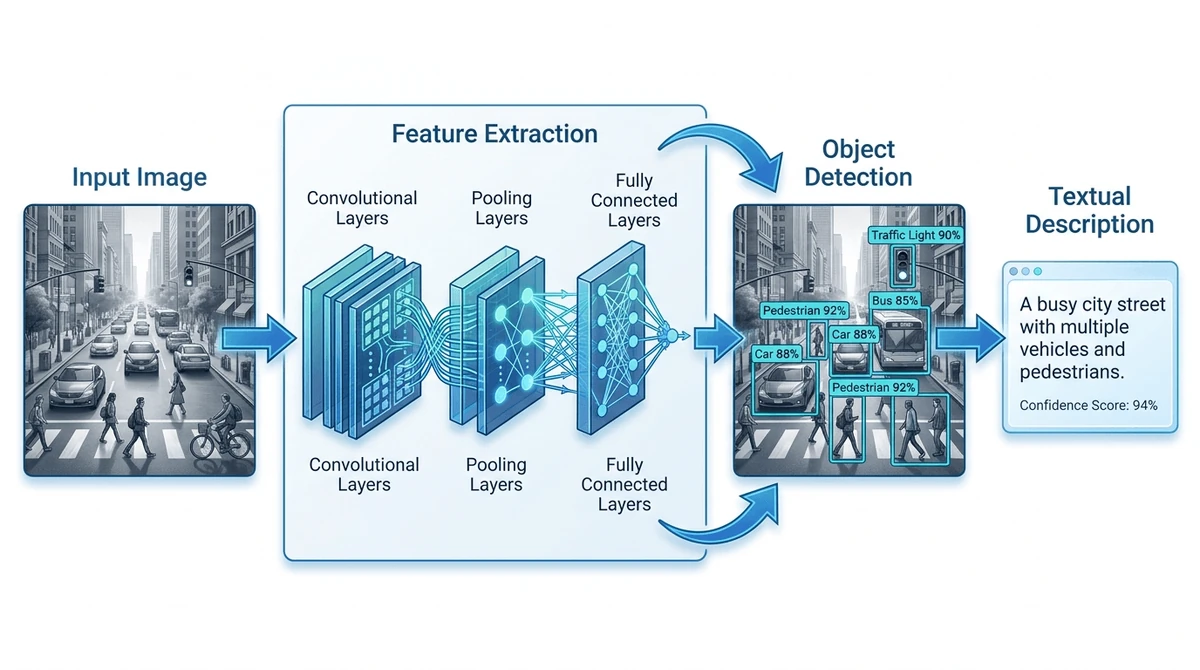
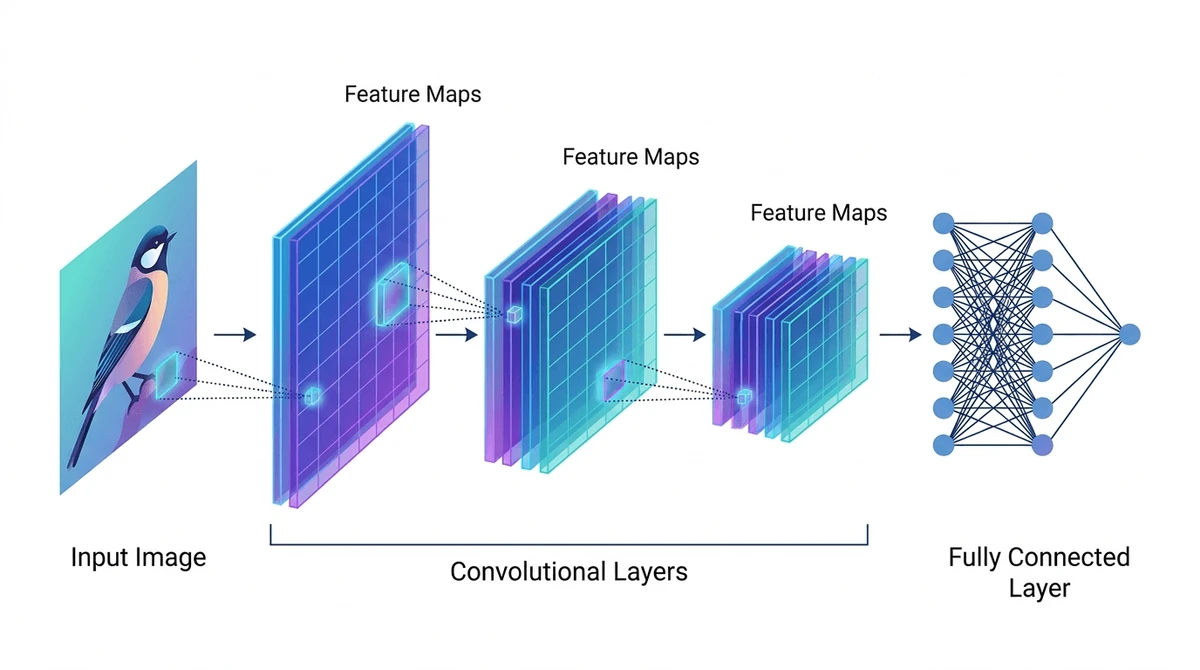
- Feature Detection and Extraction: Explore algorithms that identify salient points or regions in an image, such as corners, edges, and blobs. Techniques like SIFT (Scale-Invariant Feature Transform) and SURF (Speeded Up Robust Features) will be discussed to understand how unique visual characteristics are isolated.
- Image Segmentation: Grasp the process of dividing an image into multiple segments or regions, where each pixel in a segment shares similar characteristics. This is crucial for isolating objects of interest from their background, with methods like thresholding and region growing introduced.
- Object Recognition and Classification: Understand the principles behind identifying what objects are present in an image. You will learn about basic classification models and how they use extracted features to assign labels to images or parts of images.
Introduction to Natural Language Processing
- Text Preprocessing: Discover the essential steps involved in cleaning and preparing raw text data for analysis, including tokenization (breaking text into words or sub-word units), stemming and lemmatization (reducing words to their root form), and stop word removal.
- Text Representation: Learn how to convert text into numerical formats that machine learning models can understand. This includes exploring techniques like Bag-of-Words (BoW) and TF-IDF (Term Frequency-Inverse Document Frequency), which quantify word importance.
- Sentiment Analysis: Understand how to determine the emotional tone or opinion expressed in a piece of text, whether positive, negative, or neutral. This is a key application for understanding customer feedback and social media trends.
- Basic Language Models: Get introduced to how machines can predict the likelihood of a sequence of words. This foundational understanding underpins many advanced NLP tasks, including text generation and translation.
Bridging Vision and Language
- Image Captioning Fundamentals: Explore the exciting area of generating descriptive text for images. You will learn how computer vision techniques identify objects and scenes, and how NLP models then weave these observations into coherent sentences.
- Visual Question Answering (VQA) Concepts: Understand the challenge of answering questions about an image. This involves a deep integration of both vision and language understanding to interpret the visual content and the textual query.

Hands-On Exploration and Tools
This League emphasizes practical application. While the theoretical underpinnings are crucial, we aim to equip you with the ability to implement these concepts. You'll work with industry-standard tools and libraries designed for efficiency and ease of use.
Essential Libraries and Frameworks
- Python: As the primary programming language, Python's readability and extensive ecosystem make it ideal for AI and machine learning development.
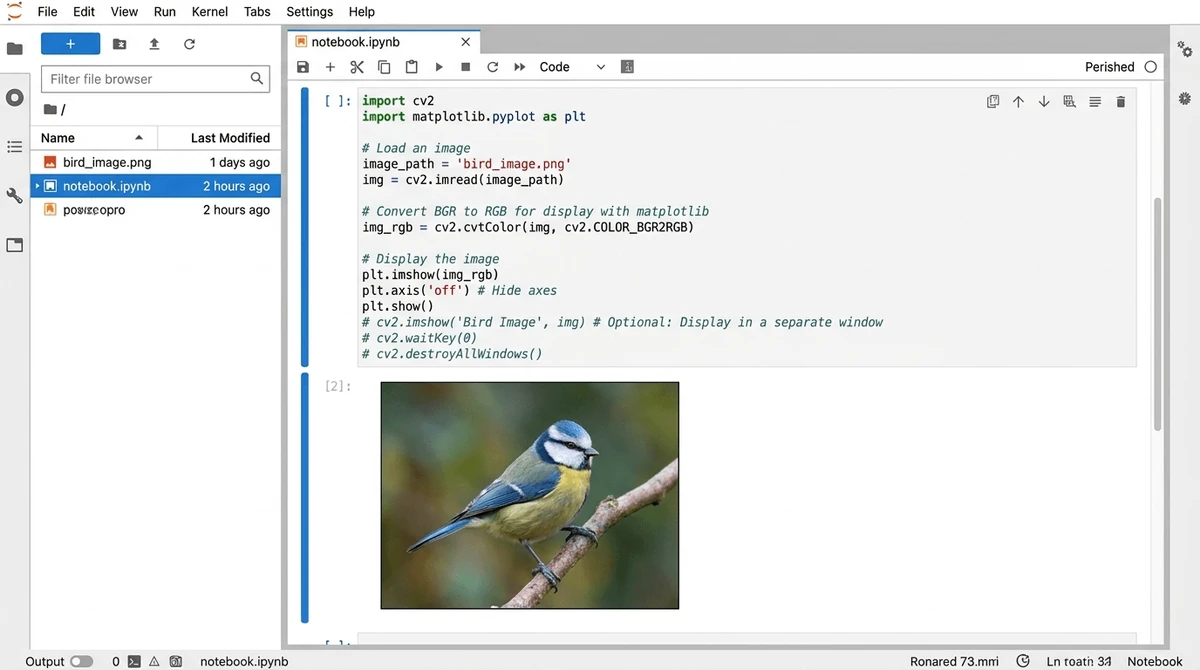
- OpenCV: This powerful library for computer vision tasks provides a vast array of functions for image manipulation, feature detection, object tracking, and much more, enabling real-time image processing.
- NLTK and spaCy: You will get acquainted with these leading NLP libraries, which offer robust tools for text preprocessing, linguistic analysis, and building language understanding applications.
- NumPy and Pandas: These foundational libraries are essential for numerical computation and data manipulation in Python, forming the bedrock for handling image data and text corpora.
Project-Based Learning
Throughout this League, you will engage in practical exercises designed to solidify your understanding. These may include:
- Building a simple image classifier to distinguish between different types of objects (e.g., cats and dogs).
- Developing a basic sentiment analysis tool to gauge opinions from movie reviews or tweets.
- Experimenting with feature matching to find similar images within a dataset.
- Creating a system that can generate short, descriptive captions for sample images.
The practical exercises are designed to be progressively challenging, moving from isolated tasks to integrating multiple concepts for more complex outcomes.

Who is This League For?
This introductory League is designed for individuals who are curious about artificial intelligence and its ability to interpret the visual and textual world. It's particularly well-suited for:
- Aspiring AI Enthusiasts: Anyone with a general interest in AI who wants to understand its fundamental capabilities in understanding images and text.
- Beginner Programmers: Individuals with foundational knowledge of Python programming who are looking to apply their skills to the exciting fields of Computer Vision and NLP.
- Students and Academics: Those pursuing studies in computer science, data science, or related fields who need an accessible entry point to these domains.
- Career Changers: Professionals from non-technical backgrounds looking to transition into roles involving AI, machine learning, or data analysis, who need to grasp these core competencies.
A basic familiarity with Python programming concepts, such as variables, data types, control flow (loops and conditionals), and functions, will be highly beneficial. No prior experience with machine learning, computer vision, or NLP is required.

Real-World Impact and Career Pathways
The skills you will gain in this League are highly relevant in today's technology-driven landscape, with applications spanning a wide array of industries. Understanding how machines perceive and process information opens up significant career opportunities.
Applications Across Industries
- Healthcare: Analyzing medical images for diagnosis, and processing patient records or clinical notes.
- Retail: Implementing visual search engines, analyzing customer behavior through video surveillance, and automating inventory management.
- Automotive: Developing autonomous driving systems that rely heavily on interpreting visual environments and understanding traffic signs.
- Social Media: Enabling content moderation, personalized feed generation, and understanding user sentiment.
- Customer Service: Powering intelligent chatbots and virtual assistants that can understand user queries and respond contextually.
- Manufacturing: Automating quality control through visual inspection and optimizing production lines.
Potential Roles
Upon completing this League and building upon its foundation, you could explore roles such as:
- Junior Computer Vision Engineer: Focusing on implementing and refining visual recognition systems.
- NLP Data Analyst: Working with textual data to extract insights and build language models.
- AI/ML Intern: Gaining hands-on experience in various AI projects, including those involving vision and language.
- Data Scientist (with a focus on perception): Applying machine learning techniques to solve problems involving visual or textual data.
The ability to bridge the gap between visual perception and language understanding is becoming an increasingly sought-after skill, making this League a valuable stepping stone.
What You Will Achieve
By the end of this League, you will possess a foundational understanding of how computers can interpret visual data and process human language. You will be able to:
- Explain the core concepts behind image representation, feature extraction, and basic object recognition.
- Describe the fundamental steps in text preprocessing and different methods for representing text numerically.
- Understand the principles of sentiment analysis and how it can be applied to textual data.
- Grasp the initial ideas behind image captioning and visual question answering.
- Write basic Python code to perform simple image manipulations and text processing tasks using common libraries.
- Implement introductory projects in computer vision and NLP, such as basic image classification or sentiment analysis.
- Confidently discuss the capabilities and limitations of current AI systems in perception and language understanding.
This League is your gateway into the exciting world of multimodal AI, providing you with the essential knowledge and practical skills to begin building your own intelligent systems.