
Cybersecurity in 2035: The Threats We're Not Ready For
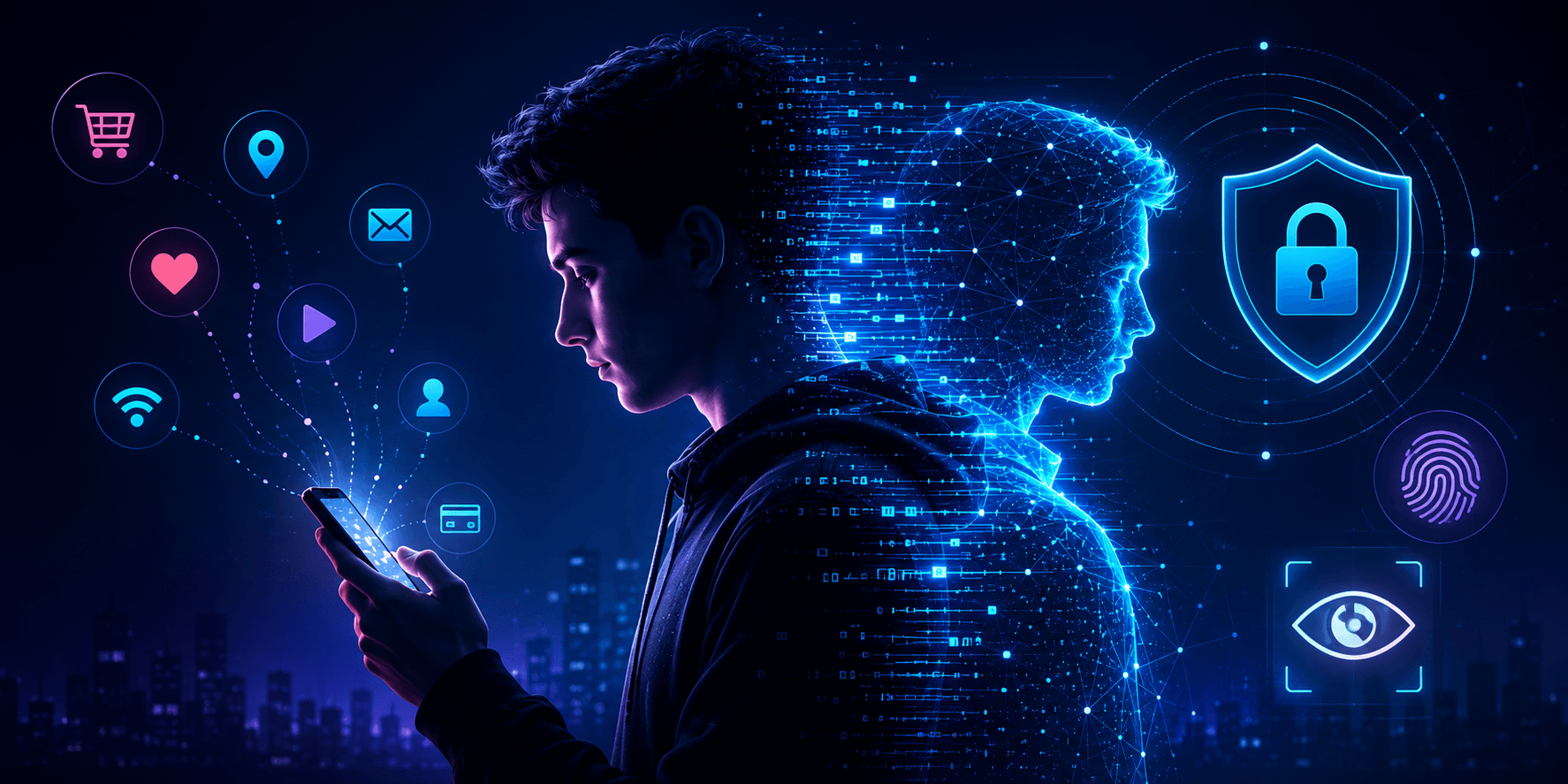
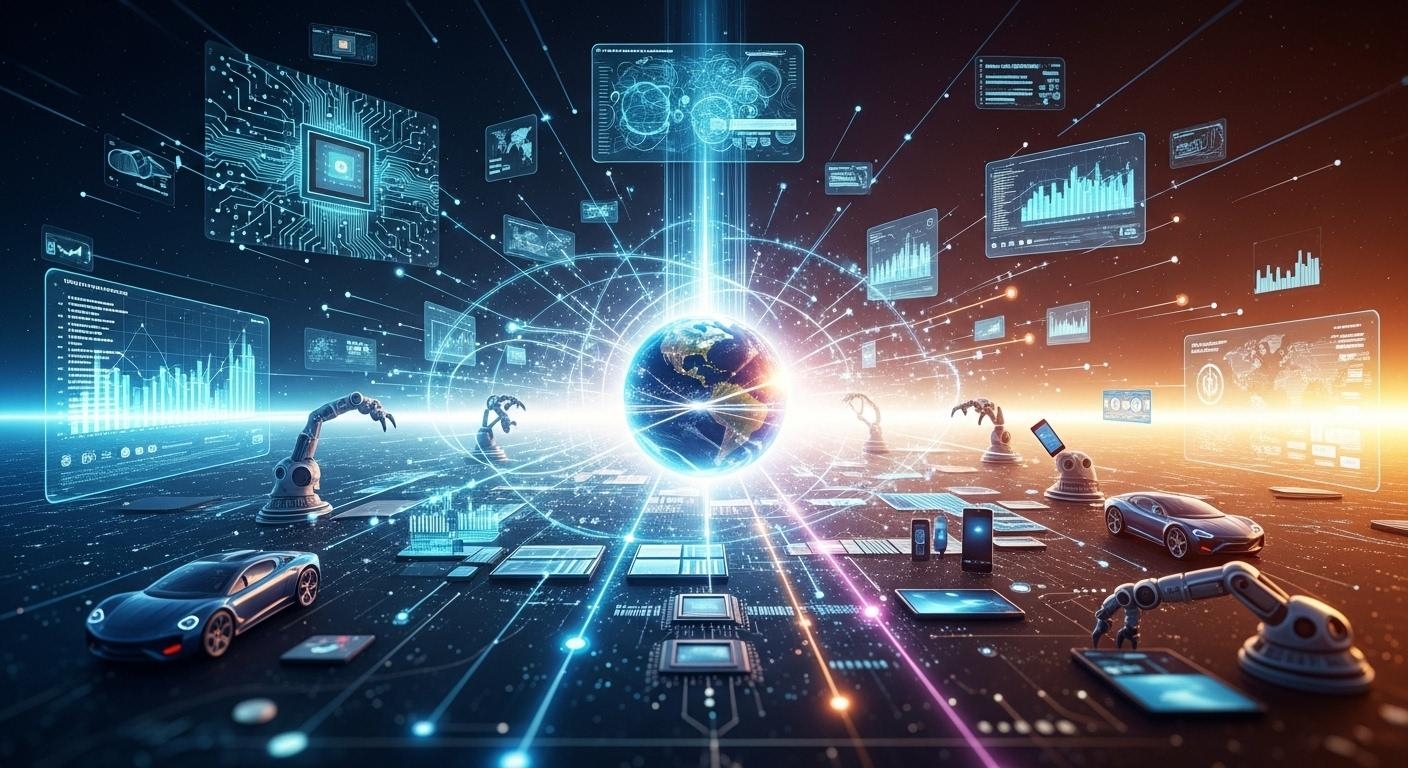
Cybersecurity is evolving at an unprecedented pace. While today's cyber threats revolve around phishing attacks, ransomware, and data breaches, the next decade is expected to bring challenges that sound like science fiction. By 2035, our lives will be more connected than ever. Smart cities, AI-powered systems, autonomous vehicles, and advanced digital identities will become a part of everyday life.
The question is no longer whether cyberattacks will happen—it's whether we are prepared for the kinds of attacks that haven't even become mainstream yet. As technology advances, so do the methods used by cybercriminals. The future of cybersecurity isn't just about protecting devices; it's about protecting entire digital ecosystems.
The Rise of AI-Powered Cybercriminals
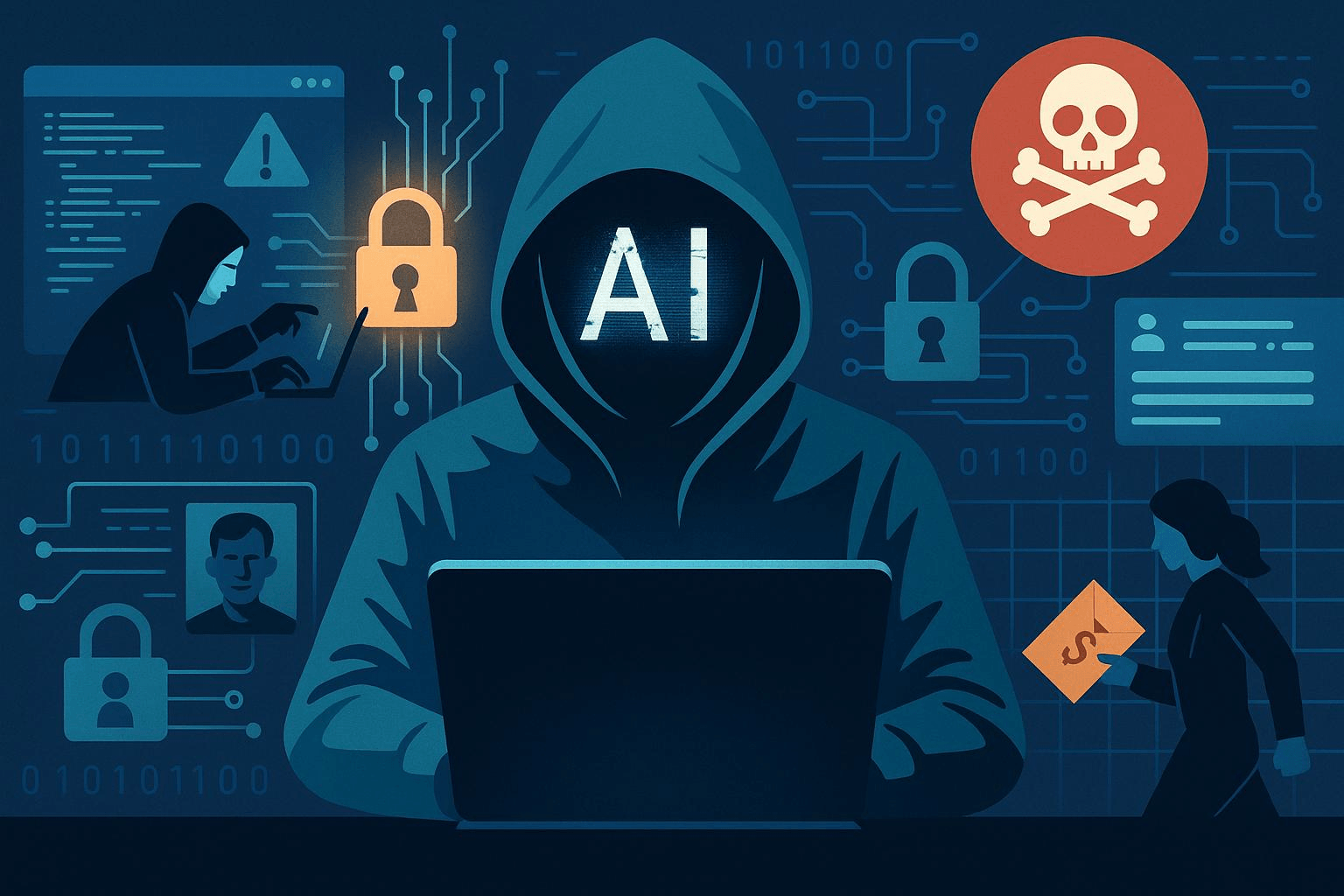
Artificial intelligence is already transforming industries, but it is also changing the landscape of cybercrime. By 2035, cybercriminals may use highly sophisticated AI systems capable of launching intelligent attacks without human intervention.
Imagine malware that learns from its failures, adapts its behavior, and changes its attack methods in real time. Future cyberattacks could become faster, smarter, and more difficult to detect. AI could generate convincing phishing emails, mimic human communication patterns, and identify vulnerabilities within seconds.
Defending against intelligent cyber threats will require equally intelligent security systems that can anticipate and respond to attacks before they occur.
Deepfakes Will Become Indistinguishable from Reality
Deepfake technology is improving rapidly, and by 2035, distinguishing between real and artificial content may become incredibly challenging.
Cybercriminals could potentially use realistic voice cloning and video manipulation to impersonate individuals, executives, or public figures. Imagine receiving a video call from someone you trust, only to discover later that it was entirely AI-generated.
Future scams may involve:
- Fake emergency calls from family members.
- AI-generated business meetings.
- Synthetic identities for financial fraud.
- Manipulated political campaigns.
- Highly personalized social engineering attacks.
The phrase "seeing is believing" may no longer apply in the digital world.
Your Smart City Could Become a Target
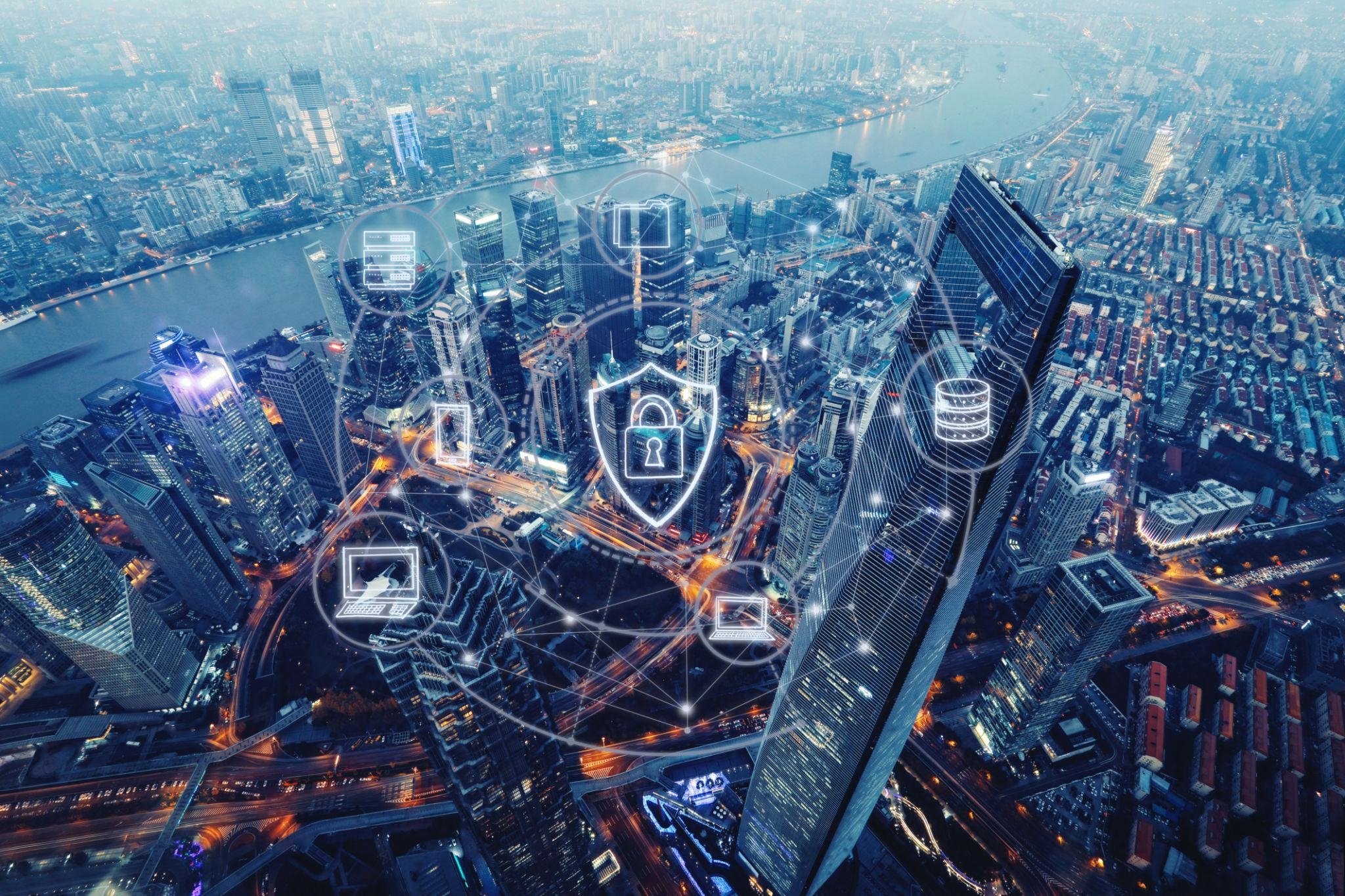
The cities of the future will rely heavily on interconnected technologies. Traffic systems, public transportation, healthcare services, surveillance systems, and utilities will all operate through digital infrastructure.
While smart cities promise greater efficiency, they also create larger attack surfaces for cybercriminals.
A single cyberattack could potentially disrupt:
- Traffic management systems.
- Electricity grids.
- Water supply networks.
- Emergency services.
- Public transportation.
- Digital payment systems.
Cybersecurity in smart cities will become as important as physical security itself
Quantum Computing Could Change Everything
Quantum computing has the potential to revolutionize technology, but it also poses significant cybersecurity challenges.
Many modern encryption methods rely on mathematical problems that traditional computers struggle to solve. Quantum computers, however, could solve these problems dramatically faster than today's machines.
If quantum computing advances as expected, current encryption standards may become vulnerable.
This could impact:
- Banking systems.
- Government communications.
- Healthcare records.
- Cloud storage.
- Digital identities.
- Global cybersecurity infrastructure.
Organizations are already researching quantum-resistant encryption because preparing for future threats cannot wait until they arrive.

Digital Identity Theft Will Become More Advanced
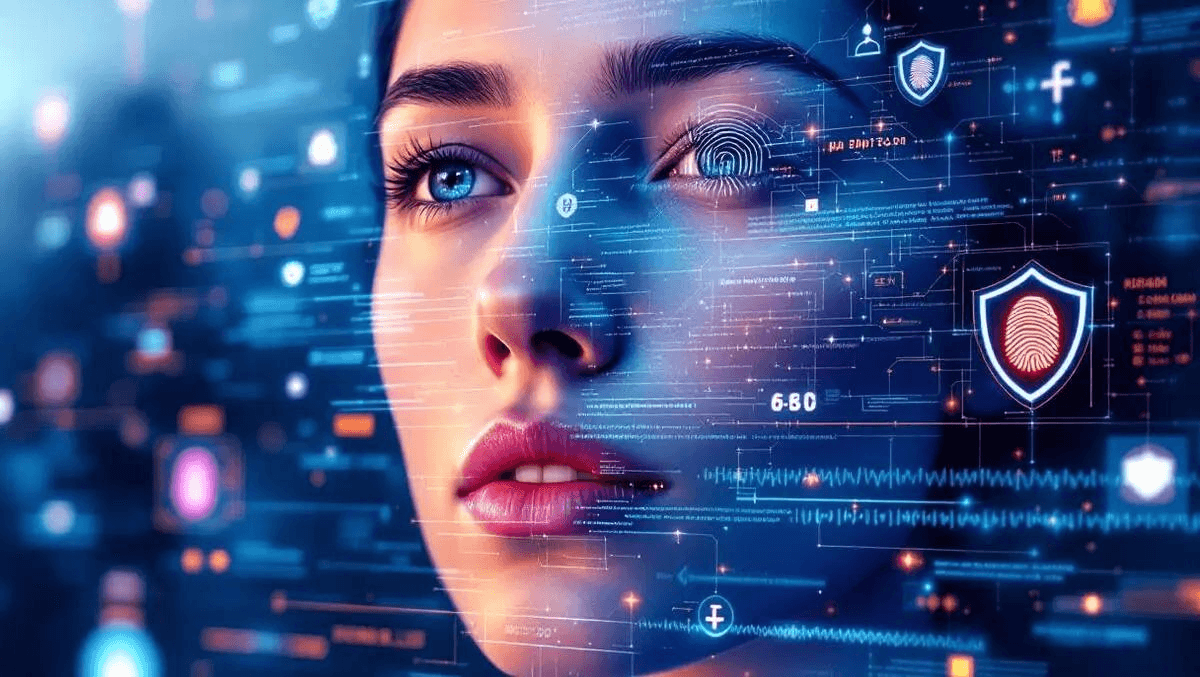
In 2035, digital identities will likely extend far beyond usernames and passwords. They may include biometric data, behavioral patterns, digital credentials, and AI-generated profiles.
Future cybercriminals may attempt to steal or manipulate entire digital identities rather than simply accessing accounts.
Potential targets could include:
- Facial recognition systems.
- Voice authentication.
- Digital passports.
- Biometric payment systems.
- Government-issued digital identities.
Protecting digital identity will become one of the most important cybersecurity challenges of the next decade.
Autonomous Vehicles Could Face Cyber Risks
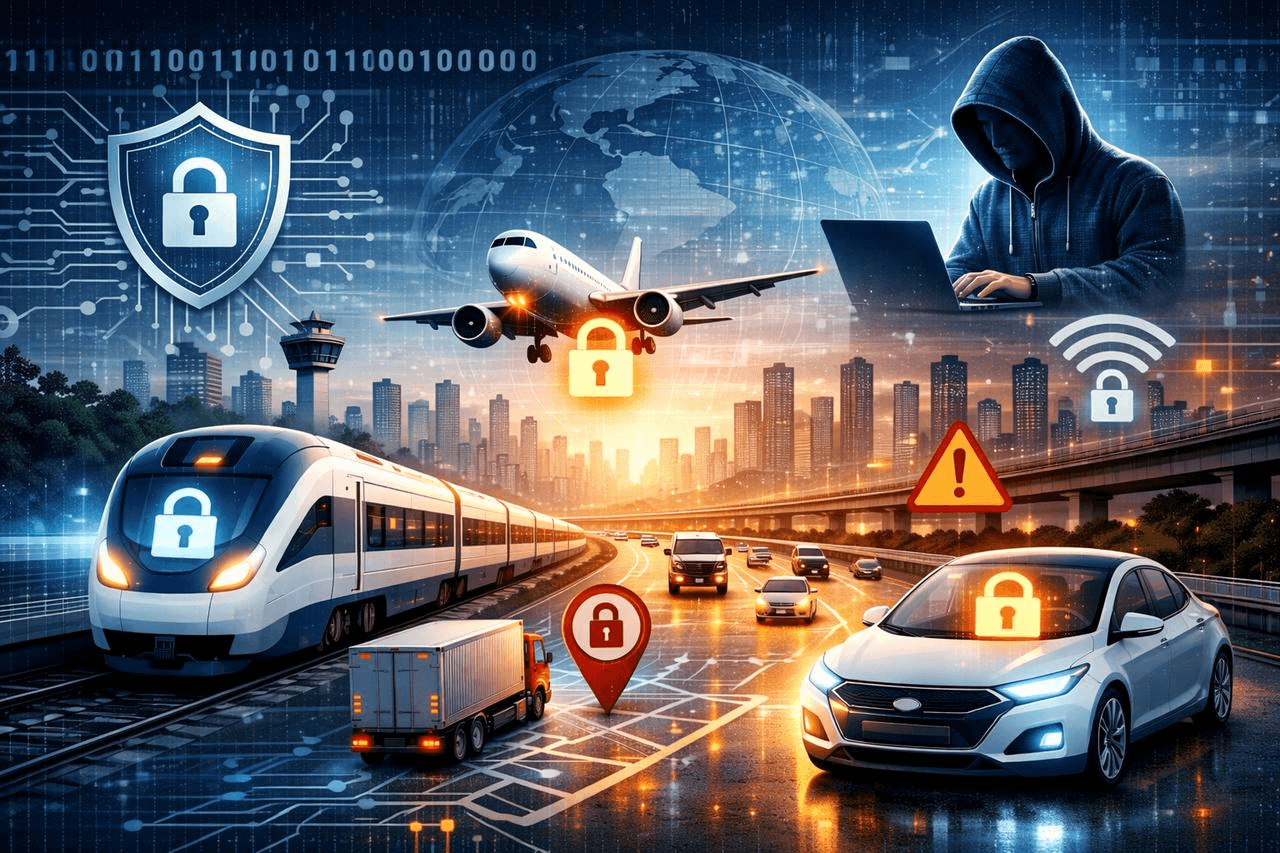
Self-driving vehicles are expected to become increasingly common over the next decade. These vehicles will rely on complex software systems, sensors, artificial intelligence, and cloud connectivity.
While autonomous transportation offers numerous benefits, it also introduces cybersecurity concerns.
Future threats could include:
- Vehicle system manipulation.
- GPS spoofing attacks.
- Unauthorized remote access.
- Traffic disruption.
- Communication interference between connected vehicles.
Cybersecurity standards for autonomous technologies will play a critical role in ensuring public safety.
Brain-Computer Interfaces and Neural Security
One of the most futuristic technologies currently under development involves brain-computer interfaces. These systems aim to allow humans to interact directly with computers using neural signals.
Although this technology could revolutionize healthcare and accessibility, it also raises entirely new cybersecurity questions.
By 2035, experts may need to consider concepts such as:
- Neural data privacy.
- Brain signal protection.
- Unauthorized access to neural devices.
- Digital consent for biometric information.
- Security standards for human-machine integration.
Protecting information may eventually include protecting the most personal data humans possess—their thoughts and neural patterns.
Cyber Warfare Will Become More Sophisticated
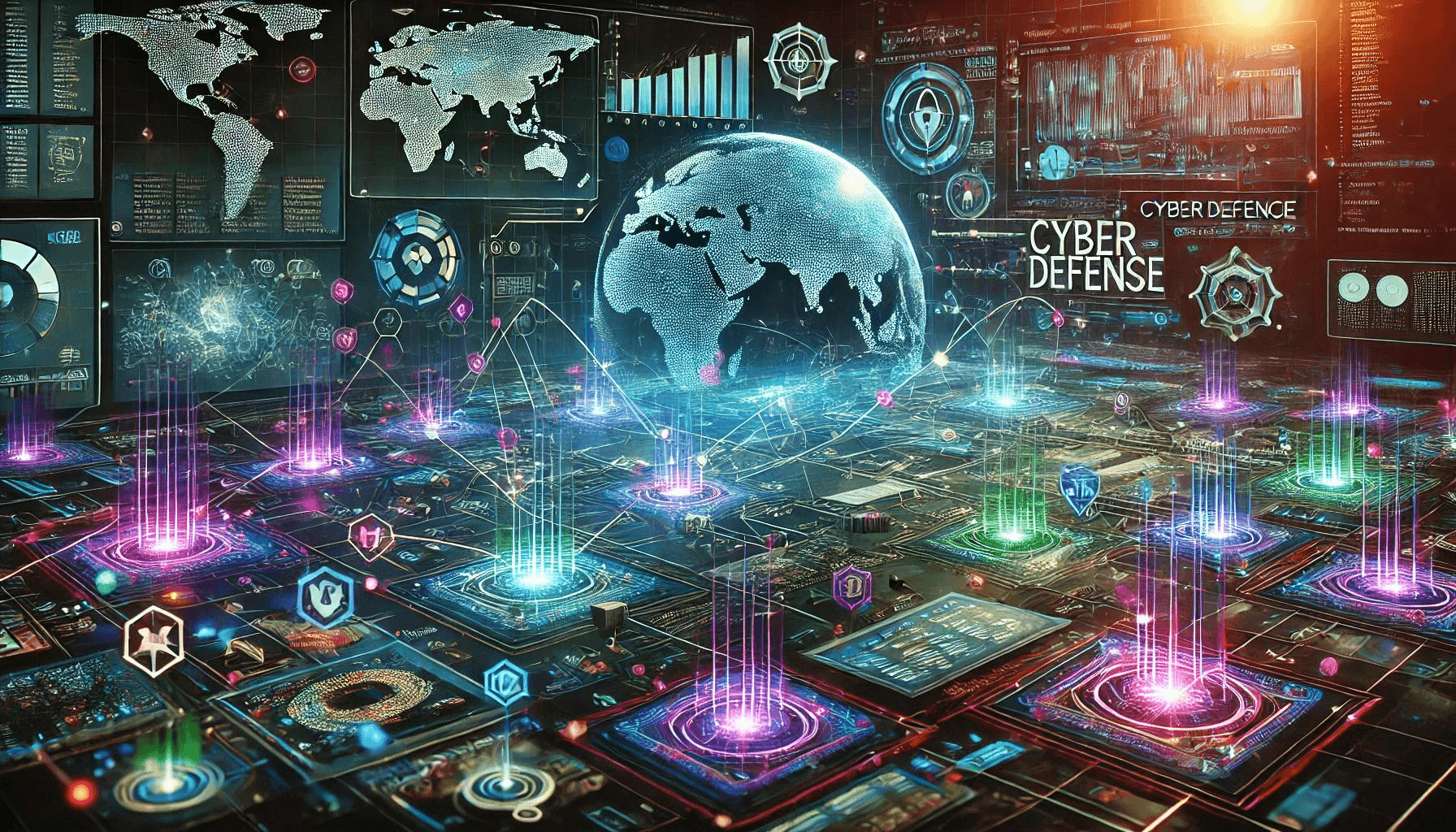
Cyber warfare is already a reality, but future conflicts are expected to become increasingly digital.
Nations may invest heavily in:
- Artificial intelligence-driven cyber defense.
- Offensive cyber capabilities.
- Digital espionage.
- Critical infrastructure protection.
- Cybersecurity alliances.
Future geopolitical conflicts may involve cyberattacks occurring long before traditional military operations.
The battlefield of tomorrow may exist as much in cyberspace as it does in the physical world.
The Human Factor Will Remain the Weakest Link
Despite technological advancements, human behavior will continue to play a major role in cybersecurity incidents.
Cybercriminals understand that manipulating people is often easier than attacking sophisticated systems.
Future social engineering attacks may become:
- More personalized.
- AI-generated.
- Emotionally manipulative.
- Difficult to identify.
Cybersecurity awareness and digital literacy will remain essential skills for individuals and organizations alike.
Technology will evolve, but human judgment will continue to be one of our strongest defenses.
Preparing for the Future Starts Today
The cyber threats of 2035 may sound futuristic, but many of the technologies discussed are already being developed today. Preparing for tomorrow's challenges requires proactive thinking and continuous innovation.
Governments, businesses, and individuals must begin investing in:
- Cybersecurity education.
- Secure digital infrastructure.
- Privacy-focused technologies.
- Advanced threat detection systems.
- International cybersecurity collaboration.
- Future-ready security standards.
The future of cybersecurity will depend not only on technological advancements but also on our ability to adapt responsibly.
Conclusion
Cybersecurity in 2035 will extend far beyond protecting passwords and personal devices. It will involve safeguarding smart cities, defending digital identities, securing autonomous technologies, and preparing for threats that are only beginning to emerge today.
The next decade will bring extraordinary technological progress, but it will also introduce unprecedented cybersecurity challenges. The threats we face in 2035 may not look like today's cyberattacks, and that is precisely why preparation matters.
The future isn't something that happens to us—it's something we build. If we want a safer digital world in 2035, the decisions we make about cybersecurity today will determine whether we are ready for the challenges of tomorrow.