

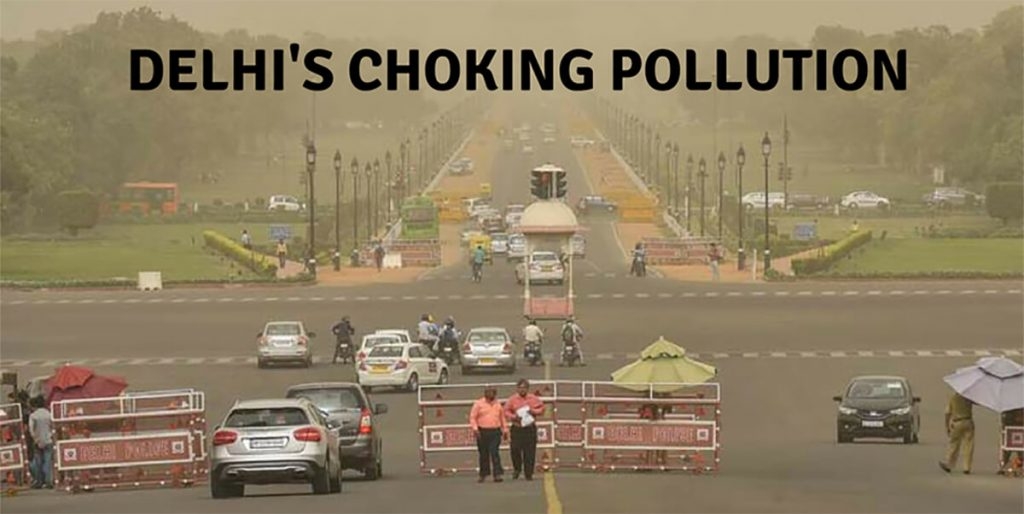
Delhi, one of India’s most vibrant cities, is also one of its most polluted. Each year, residents face smog-filled skies, rising health risks, and disrupted daily life. Understanding the causes and impacts of pollution is the first step toward creating a cleaner, healthier city.
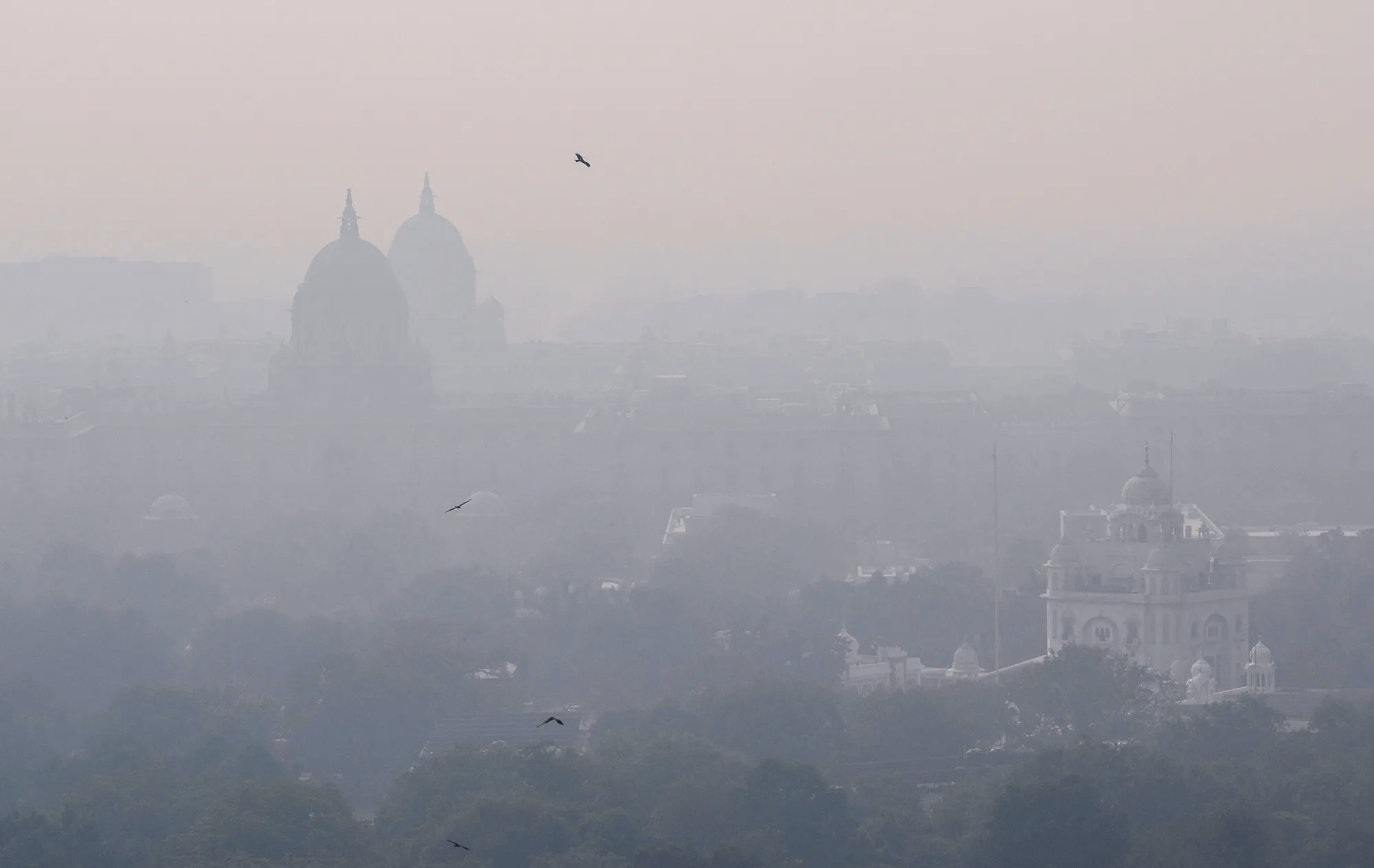
Causes of Delhi Pollution
- Vehicular Emissions: With millions of vehicles on the road, exhaust fumes contribute heavily to air pollution.
- Industrial Pollution: Factories around Delhi release harmful chemicals and particulate matter into the air.
- Construction Dust: Constant construction work adds dust and fine particles, worsening air quality.
- Crop Burning: Seasonal crop residue burning in neighboring states sends smoke and pollutants into the city.
- Household Emissions: Burning waste, wood, and other fuels in homes also contributes to indoor and outdoor pollution.
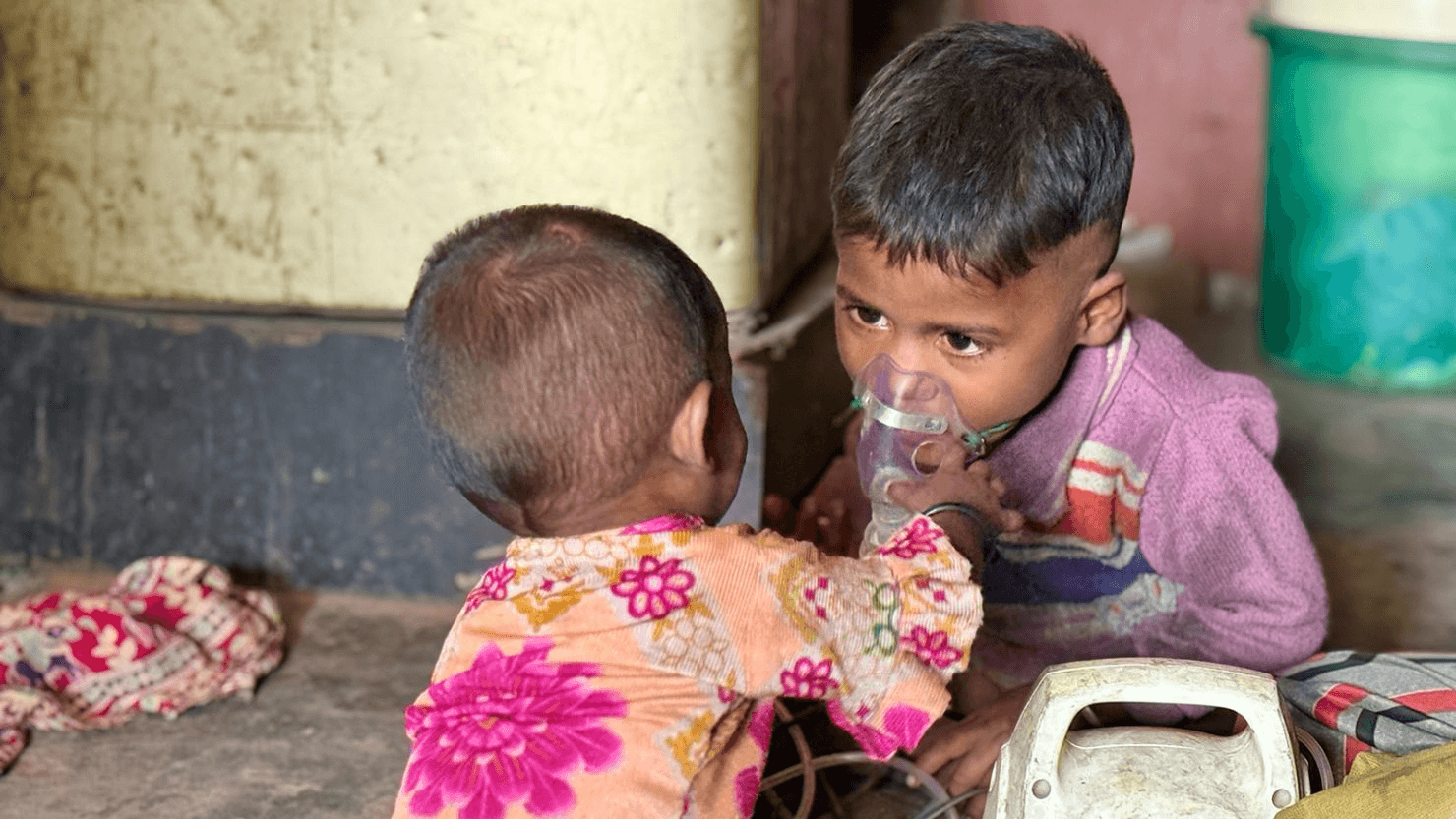
Impact on Health and Daily Life
Delhi’s pollution affects everyone, but children, the elderly, and people with pre-existing health conditions are most vulnerable. Common problems include:
- Respiratory issues like asthma and bronchitis
- Eye irritation and skin problems
- Increased risk of heart disease
- Reduced visibility, causing traffic hazards
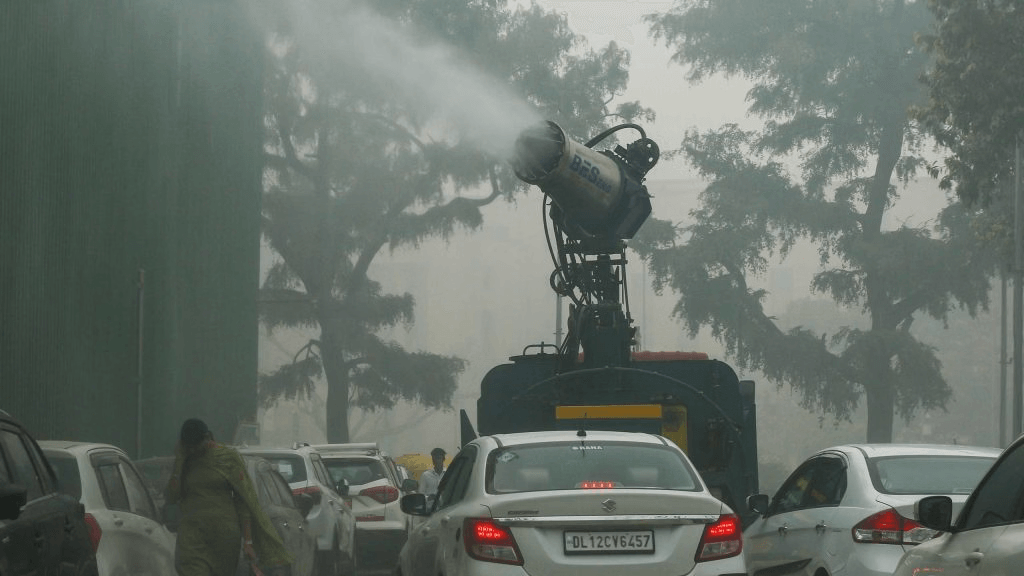
What Can Be Done?
- Switch to Cleaner Transport: Promoting electric vehicles and public transport reduces emissions.
- Green Cover: Planting more trees can absorb pollutants and improve air quality.
- Regulate Industries: Strict monitoring and use of cleaner technology in factories.
- Waste Management: Proper disposal and reduction of open burning of waste.
- Public Awareness: Educating citizens about pollution and its effects encourages responsible behavior.
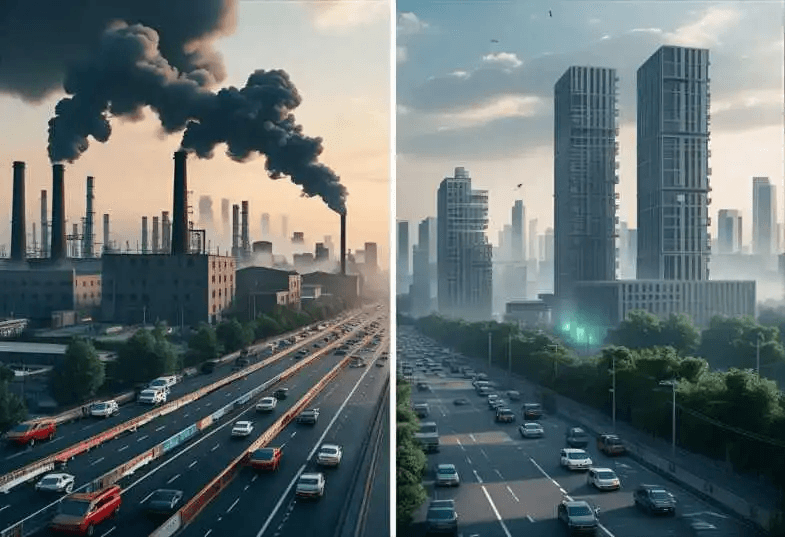
Delhi’s pollution is a complex problem, but with combined efforts from government, citizens, and industries, we can work toward cleaner air and a healthier future. Awareness, policy changes, and small daily actions can make a significant difference.