
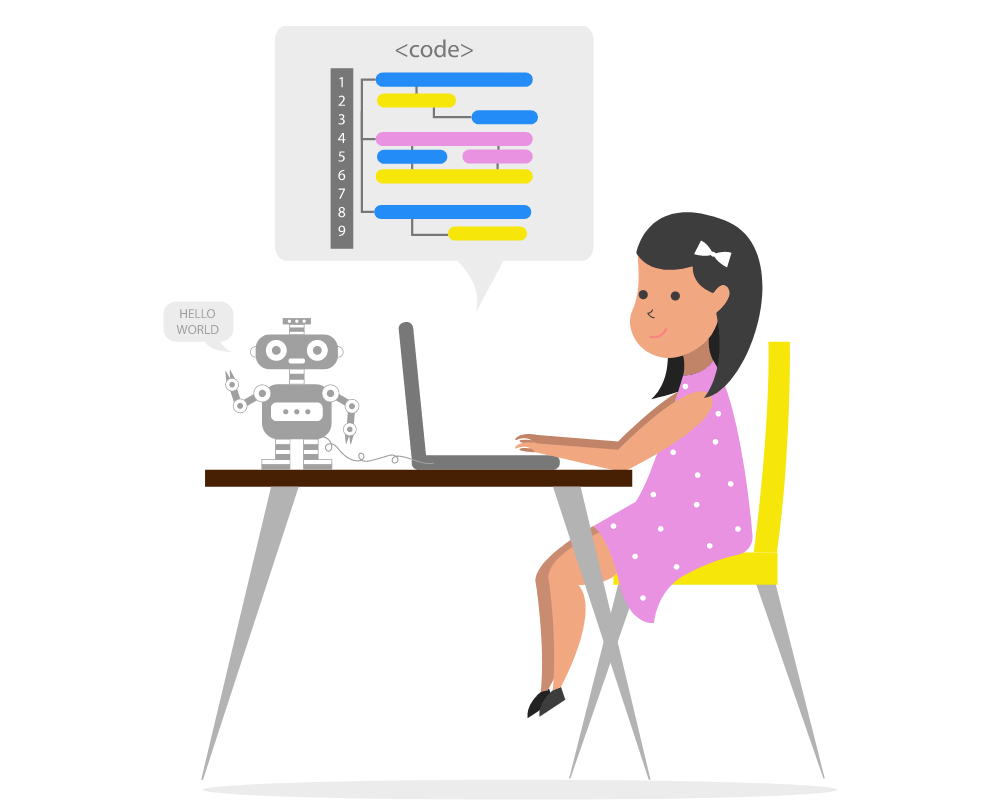
How to Start Coding With No Experience

How to Start Coding With No Experience

UptoSkills Team 2 min 2212/10/2025Career

Starting coding with no experience is easier than it sounds, begin with simple languages like Python or JavaScript and focus on basic concepts.

Practice daily, build small projects, and learn step by step to grow confidence and real skills over time.

Starting your coding journey can feel like staring at a spaceship control panel — confusing wires, glowing symbols, and too many buttons. The truth is far simpler: coding is just giving instructions to a computer, and anyone can learn it step by step.

No prior experience needed. Just curiosity and a little consistency.

Let’s break it down into a simple, beginner-friendly roadmap.

Start With a Beginner-Friendly Language

The easiest languages for absolute beginners are:

  • Python → Clean and simple
  • HTML & CSS → For building websites
  • JavaScript → For interactive webpages

These languages have easy syntax and tons of free resources online.

2. Understand the Core Concepts First

Before jumping into big projects, learn the basics:

  • Variables
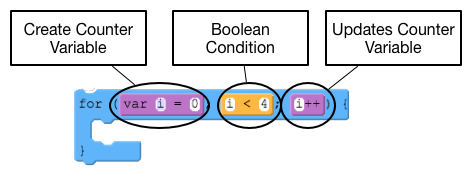
  • Loops
  • Conditions
  • Functions
  • Input & Output

Think of these as the alphabet of coding — once you get them, you can build anything.

3. Use YouTube, Free Leagues & Tutorials

Learning doesn’t have to be boring or expensive.

You can learn coding through:

  • YouTube tutorials
  • UptoSkills leagues
  • Free coding websites (W3Schools, FreeCodeCamp)

Small, consistent lessons beat long, confusing classes.

4. Practice by Building Mini-Projects

Projects make you a real coder.

Start tiny:

  • A calculator
  • A personal portfolio page
  • A to-do app
  • A simple game

Use AI as Your Coding Assistant

AI tools like ChatGPT, GitHub Copilot, and Replit AI help you:

  • Understand errors
  • Generate simple code
  • Speed up learning
  • Fix bugs quickly

Join Communities & Ask Questions

Don’t learn alone. Join:

  • Discord coding groups
  • Reddit communities
  • UptoSkills student groups
  • GitHub networks

Learning with others keeps you motivated and accountable.

7. Build a Coding Routine

Consistency matters more than talent.

Study 45–60 minutes a day instead of 5 hours on Sunday.
Final Thoughts

Coding is not magic. It’s a skill — like playing guitar or learning a sport.

Anyone can begin, even with zero background.

Start small. Stay consistent. Build things.

And soon, the code that once scared you will feel like second nature.
Table of Contents

Share Article

Related Blogs

How to Build a Strong Resume: Key Sections You Should Include
Career

How to Build a Strong Resume: Key Sections You Should Include

A resume is your first impression to a recruiter, showcasing your skills, experience, and potential. A strong resume should be concise, well-formatted, and tailored to the specific job, increasing your chances of getting an interview. Key sections include contact information, a summary or objective, skills, education, experience/internships, and projects, along with optional sections for certifications, achievements, and interests.

2 min 6
Mastering Productivity as a Student: Smart Study TechnACiques That Actually Work
Career

Mastering Productivity as a Student: Smart Study TechnACiques That Actually Work

This article provides actionable study techniques for students to boost their productivity and avoid burnout. It covers strategies like the Pomodoro Technique, active recall, prioritizing important topics, utilizing digital tools, and optimizing study environments. The article emphasizes that productivity is about studying smarter, not longer, by incorporating habits that enhance focus, organization, and retention.

2 min 8
AI Tools Students Should Use Daily
Career

AI Tools Students Should Use Daily

This HTML document provides a guide for students on incorporating AI tools into their daily routines for improved learning. It covers AI-powered tools for writing, research, organization, note-taking, and collaboration, emphasizing the benefits and offering links for further exploration. The document concludes by encouraging ethical and responsible AI usage to enhance academic performance.

2 min 8
What is a Hackathon? Definition, Types, Benefits & How to Win?
Career

What is a Hackathon? Definition, Types, Benefits & How to Win?

This document explains what hackathons are, defining them as intense, collaborative events where individuals or teams build software or hardware projects. It details different types of hackathons, from general to themed, and outlines the benefits like skill development and networking. Finally, it provides tips for a successful hackathon experience, emphasizing planning, teamwork, and effective communication.

5 min 21
how ai interview helpful for students
Career

how ai interview helpful for students

This document discusses how AI-powered interview platforms are helping students prepare for job interviews. These platforms offer unlimited practice, personalized feedback on verbal and non-verbal cues, and convenient access, allowing students to build confidence and refine their skills. By utilizing these tools strategically, students gain a significant advantage in the job market and increase their chances of success.

4 min 10