
How to Build a Strong Resume: Key Sections You Should Include

How to Build a Strong Resume: Key Sections You Should Include

UptoSkills Team 2 min 712/13/2025Career

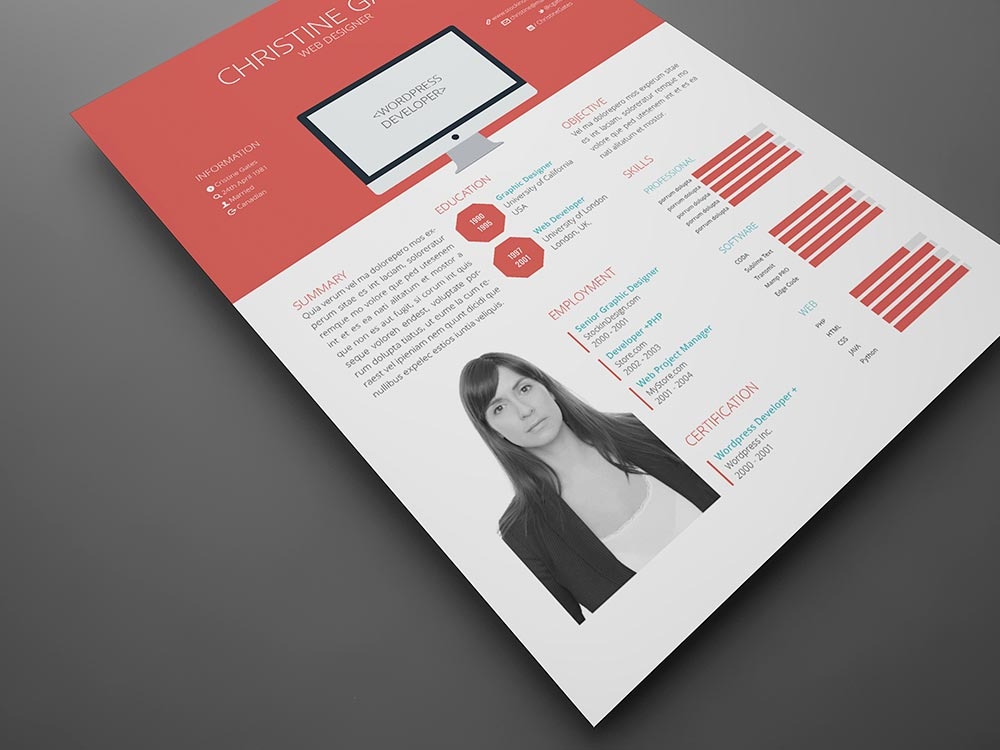
A resume is your first impression on a recruiter. It should clearly show your skills, experience, and potential—without unnecessary details. A strong resume increases your chances of getting shortlisted for interviews.

1. Contact Information

This should be at the top of your resume and easy to find.

Include:

  • Full name
  • Mobile number
  • Professional email address
  • City and country
  • LinkedIn profile or portfolio (optional but recommended)

2. Resume Summary or Objective

Write a short 2–3 line summary about who you are and what you are looking for.

  • Freshers can write a career objective
  • Professionals can write a summary of experience and skills

Example:

Motivated computer science graduate with strong problem-solving skills, seeking an entry-level software role.

3. Skills

List the skills that are relevant to the job you are applying for.

Include:

  • Technical skills (programming, tools, software)
  • Soft skills (communication, teamwork, leadership)

Keep it honest and job-focused.

4. Education

Mention your academic background clearly.

Include:

  • Degree or qualification
  • College or institution name
  • Year of completion
  • Percentage or CGPA (if strong)

5. Experience or Internships

If you have work experience or internships, list them in reverse order.

Include:

  • Job title
  • Company name
  • Duration
  • Key responsibilities or achievements

Freshers can add internships, projects, or training programs here.

6. Projects

Projects show your practical knowledge.

Mention:

  • Project title
  • Tools or technologies used
  • What you built or solved

This section is very important for students and tech roles.

7. Certifications (Optional)

Add certifications that are relevant to the role, such as:

  • Online learning certificates
  • Technical or professional certifications

8. Achievements (Optional)

Include awards, competitions, or recognitions that show your strengths.

9. Hobbies or Interests (Optional)

Add only if they are relevant or show positive traits like creativity or leadership.

Final Tips for a Strong Resume

  • Keep it 1 page (2 pages only if experienced)
  • Use simple fonts and clean formatting
  • Avoid spelling and grammar mistakes
  • Customize your resume for each job

Keep your resume simple and professional—not a color book; highlight key skills and keywords, be truthful about every detail you mention, avoid copying from others, and ensure the content is neatly aligned and easy to explain during interviews.

A well-structured resume doesn’t just list information—it tells your professional story clearly and confidently.


Table of Contents

Share Article

Related Blogs

How to Introduce Yourself in an Interview
Career

How to Introduce Yourself in an Interview

A compelling self-introduction is crucial for a positive first impression in an interview. This guide provides a framework for crafting an effective introduction, including sharing key information, highlighting skills, expressing career goals, and maintaining a confident and natural demeanor. By following these steps, you can create a memorable introduction that sets the tone for a successful interview.

2 min 3
Why Every Tech Role Needs Analytical Thinking!
Career

Why Every Tech Role Needs Analytical Thinking!

Analytical thinking is crucial in tech, enabling individuals to break down complex problems and translate ideas into reliable solutions. Data literacy is becoming essential, as professionals across various roles need to interpret and act upon data to understand its impact and make informed decisions, connecting intuition with information.

2 min 3
How to Start Coding With No Experience
Career

How to Start Coding With No Experience

This guide provides a beginner-friendly roadmap for learning to code, even with no prior experience. It emphasizes starting with easy languages like Python and HTML/CSS, understanding core concepts, and utilizing free online resources, AI tools, and communities for support. The guide encourages consistent practice through mini-projects and building a regular study routine for successful coding acquisition.

2 min 23
What is a Hackathon? Definition, Types, Benefits & How to Win?
Career

What is a Hackathon? Definition, Types, Benefits & How to Win?

This document explains what hackathons are, defining them as intense, collaborative events where individuals or teams build software or hardware projects. It details different types of hackathons, from general to themed, and outlines the benefits like skill development and networking. Finally, it provides tips for a successful hackathon experience, emphasizing planning, teamwork, and effective communication.

5 min 32
how ai interview helpful for students
Career

how ai interview helpful for students

This document discusses how AI-powered interview platforms are helping students prepare for job interviews. These platforms offer unlimited practice, personalized feedback on verbal and non-verbal cues, and convenient access, allowing students to build confidence and refine their skills. By utilizing these tools strategically, students gain a significant advantage in the job market and increase their chances of success.

4 min 10